
How to Dermaplane at Home Safely (Step-by-Step Guide)
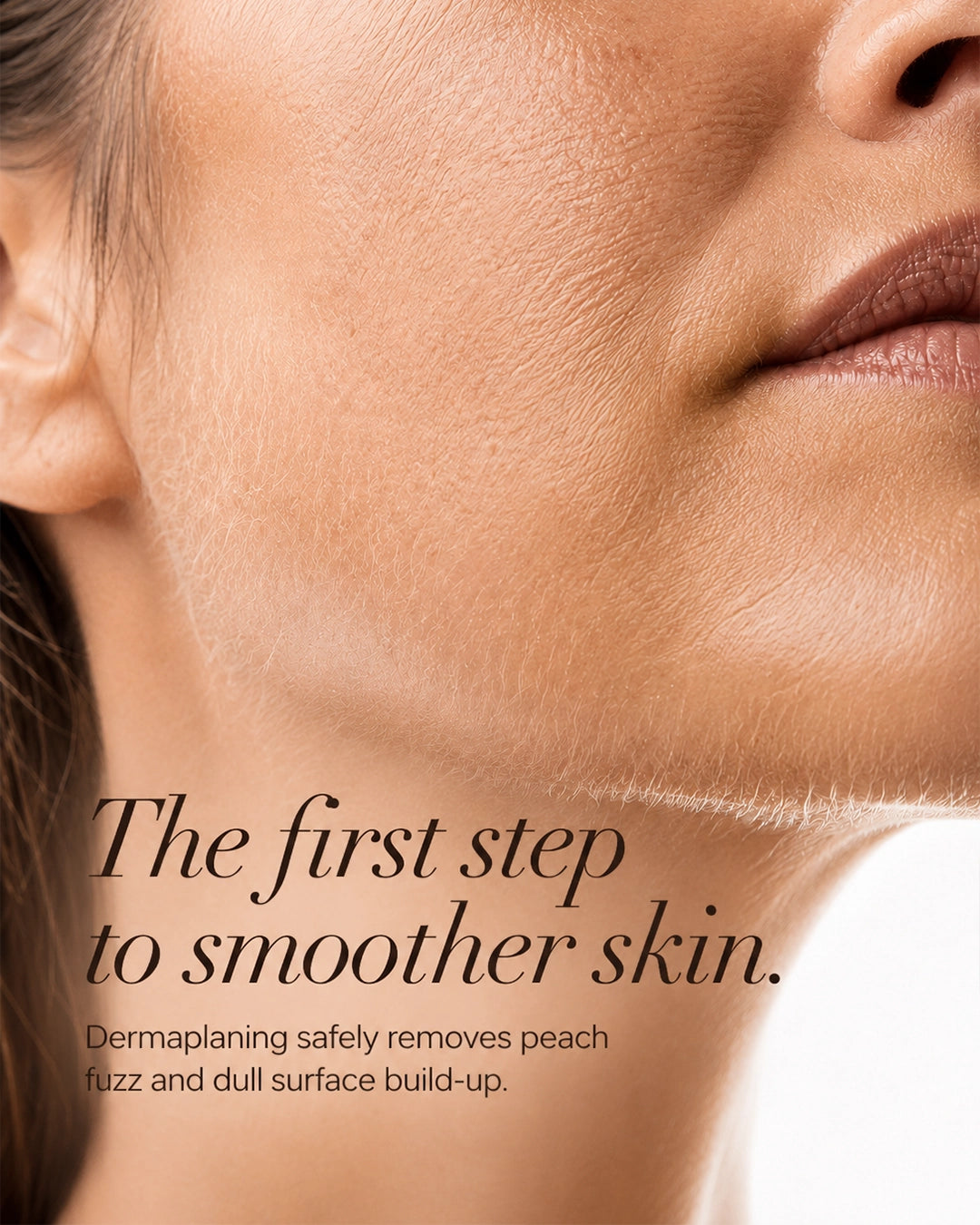
Looking for the best guide on how to dermaplane at home? This expert-approved, step-by-step dermaplaning tutorial helps you achieve glowing, hair-free skin safely and easily. Dermaplaning is a popular facial hair removal method ideal for eliminating peach fuzz and dead skin, and is suitable for most skin types when done correctly.
Why Dermaplaning at Home is Gaining Popularity
Dermaplaning at home is affordable, convenient, and delivers professional-looking results without visiting a salon. More people are adopting this skincare technique for smoother, brighter complexions.
What You Need Before You Start Dermaplaning at Home
For the safest at-home dermaplaning results, make sure you have:
- A clean, sharp dermaplaning tool for facial use
- Freshly cleaned, dry skin
- A mirror with good lighting
- Thoroughly washed hands
TIP: Avoid dermaplaning if your skin is broken, inflamed, sunburned, or has an active breakout.
Step 1: Cleanse and Dry the Skin
Start with a gentle facial cleanser to remove makeup, oil, and debris. This is crucial for preventing irritation and breakouts after dermaplaning. Pat skin completely dry. Dermaplaning should always be performed on dry skin; avoid using oils or serums beforehand, as these can interfere with the blade.
Step 2: Prepare the Area
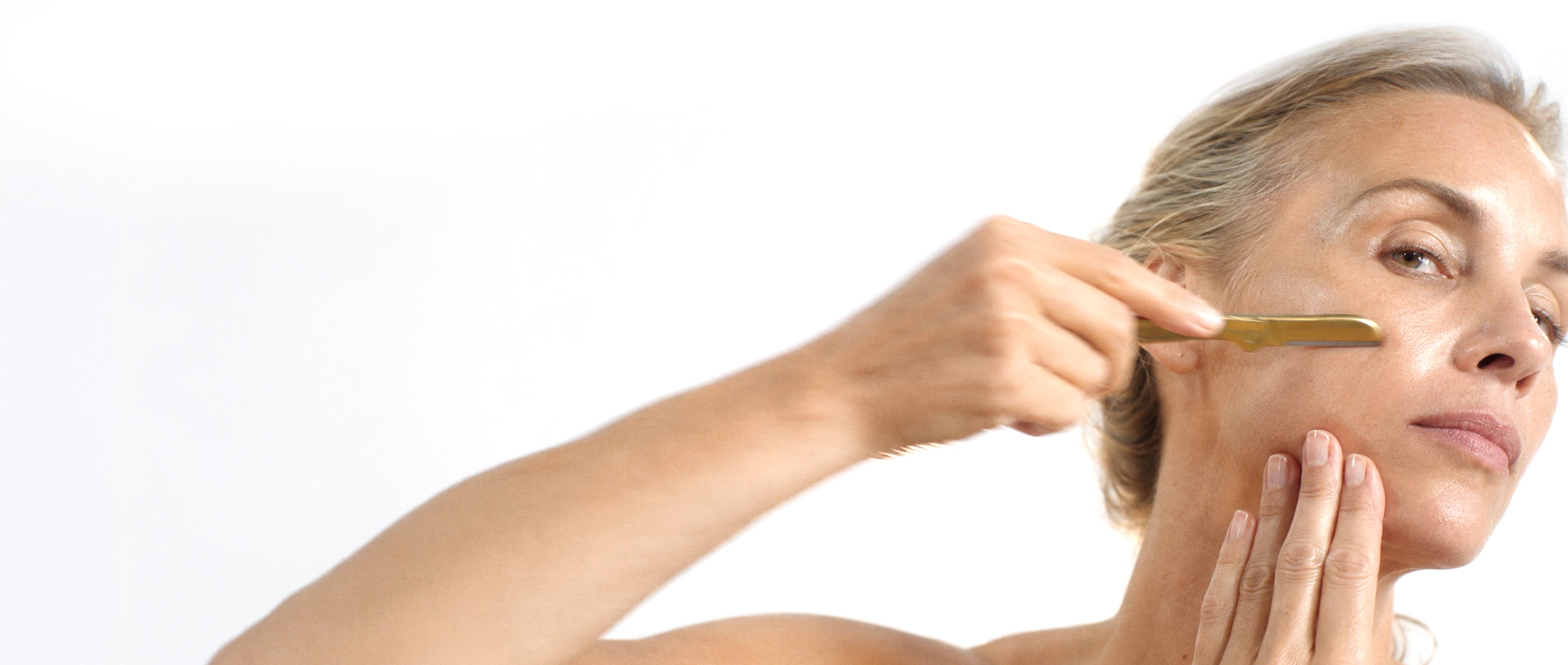
Tie back your hair and plan to work in sections. Gently stretch the area of skin you are working on to make a smooth, flat surface. This lets your blade glide evenly and minimises the risk of nicks.
Step 3: Hold the Tool at the Correct Angle
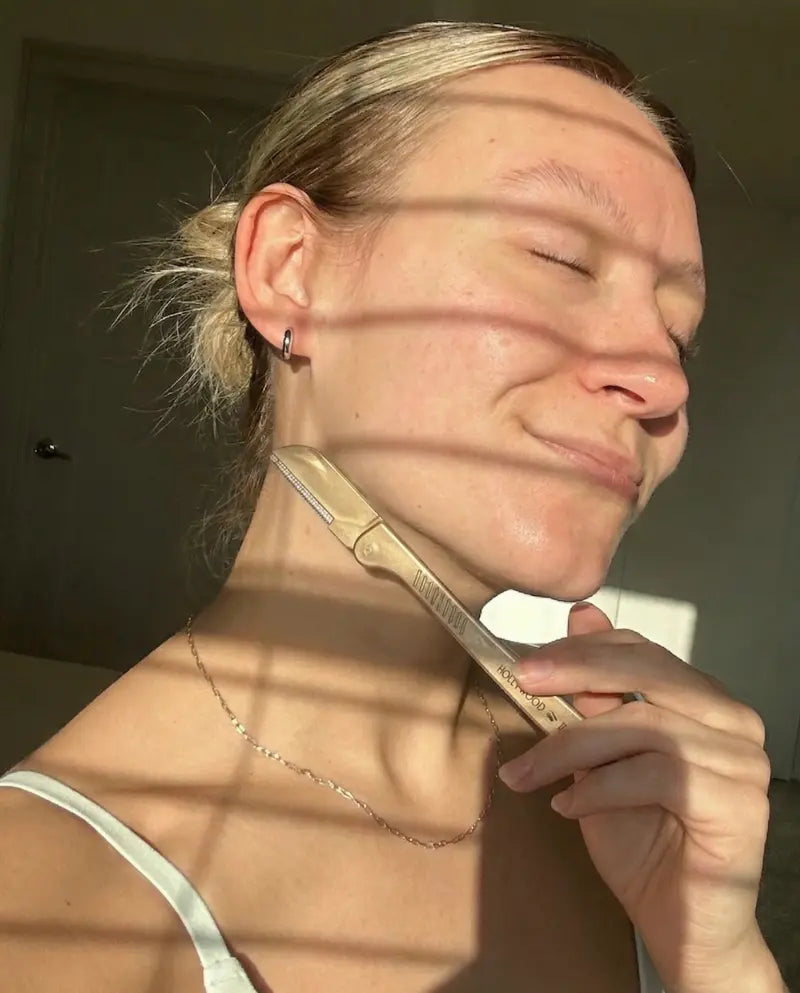
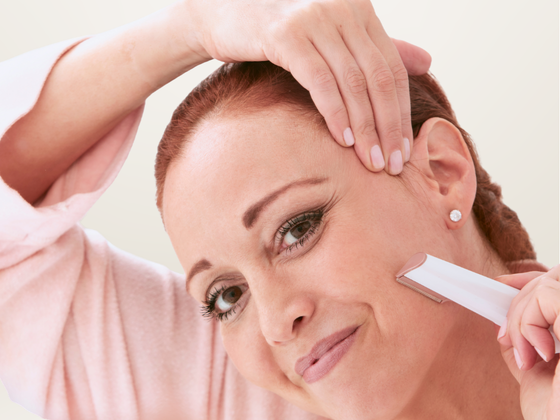
Hold the dermaplaning tool at a 45-degree angle to your face. Avoid holding the blade flat or upright. The proper angle allows for gentle exfoliation, removing peach fuzz and dead skin cells effectively.
Step 4: Use Light, Short Strokes
Without applying heavy pressure, use light, short downward strokes in the direction of hair growth. Never drag or use long sweeping motions. If peach fuzz isn’t coming away easily, double-check your angle; don’t press harder.
Step 5: Work Section by Section
Dermaplane one small area at a time:
- Cheeks
- Jawline
- Upper lip
- Chin
Avoid the eye area and anywhere you have active acne or visible irritation. Wipe the blade clean between sections to maintain best results.
Step 6: Know When to Stop
When your skin feels noticeably smoother, stop. Repeated strokes can make skin sensitive, especially for first-timers or those with sensitive skin.
Step 7: Cleanse and Soothe the Skin
Cleanse your face again with lukewarm water or a gentle cleanser to remove residue. Afterwards, apply a soothing, hydrating product such as:
- Moisturiser
- Barrier-repair serum
- Soothing mask (optional)
Avoid strong actives (like retinol or acids) for at least 24 hours after dermaplaning.
How Often Should You Dermaplane at Home?
Most UK skincare experts recommend dermaplaning every three to four weeks. Overdoing it can damage your skin barrier and cause sensitivity. Give your skin enough time to recover.
What Not to Do When Dermaplaning
Do not:
- Dermaplane over active acne, broken, or inflamed skin
- Use a dull blade
- Dermaplane more often than every few weeks
- Rush or press hard
Focus on technique, not force. Slow, steady, and gentle movements give the best results.
Does Dermaplaning Hurt?
No, dermaplaning should not be painful when performed correctly. Most people describe it as a faint scraping sensation. If you feel discomfort, stop immediately and review your method.
Is Dermaplaning Safe for Sensitive Skin?
Sensitive skin types should approach dermaplaning with caution:
- Always patch test first, especially if you live in colder UK regions where skin can be drier
- Use a high-quality tool
- Limit frequency
- Avoid harsh skincare before and after treatment
If in doubt, consult a local skincare therapist.
Choosing the Best Dermaplaning Tool
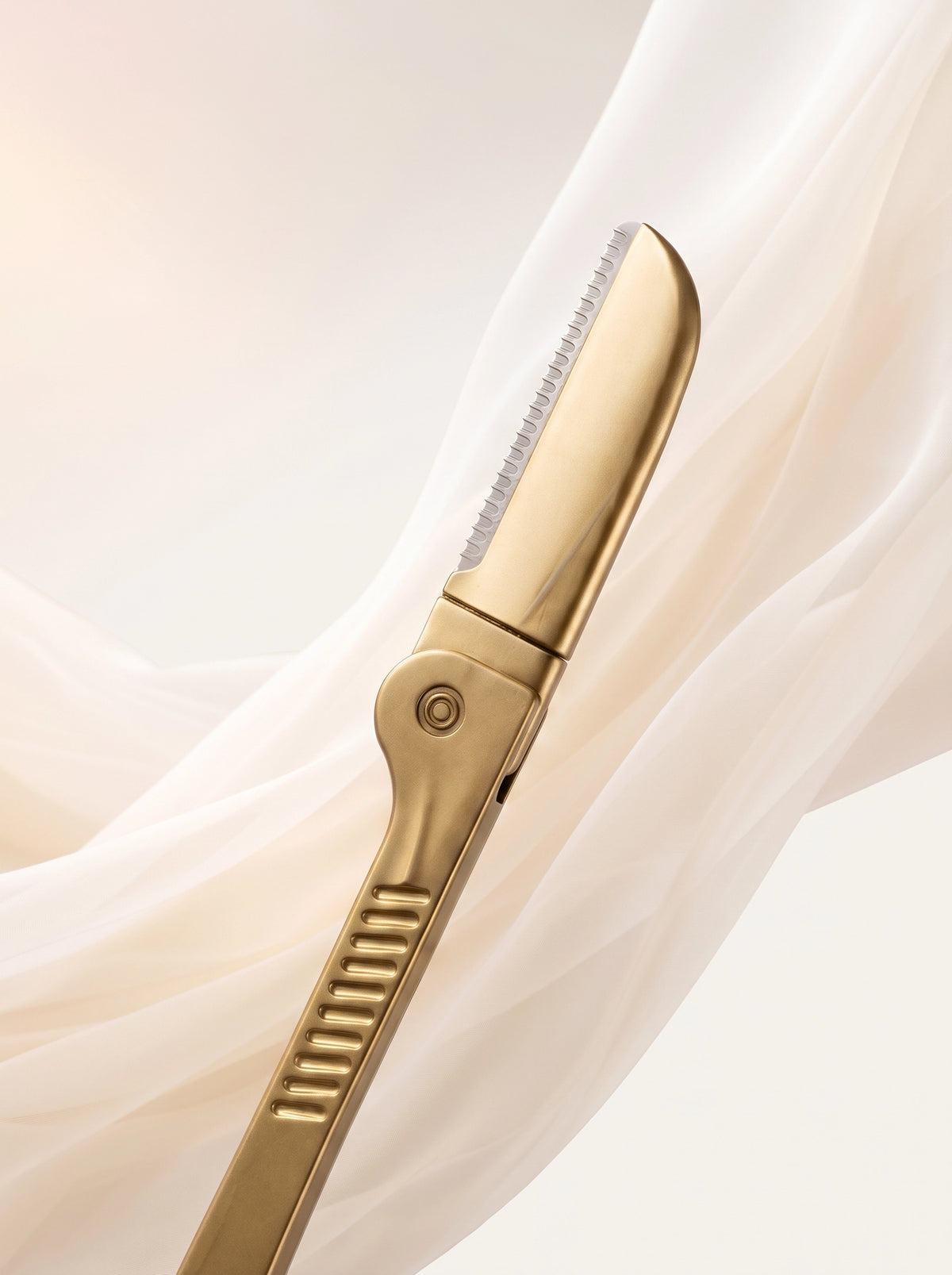
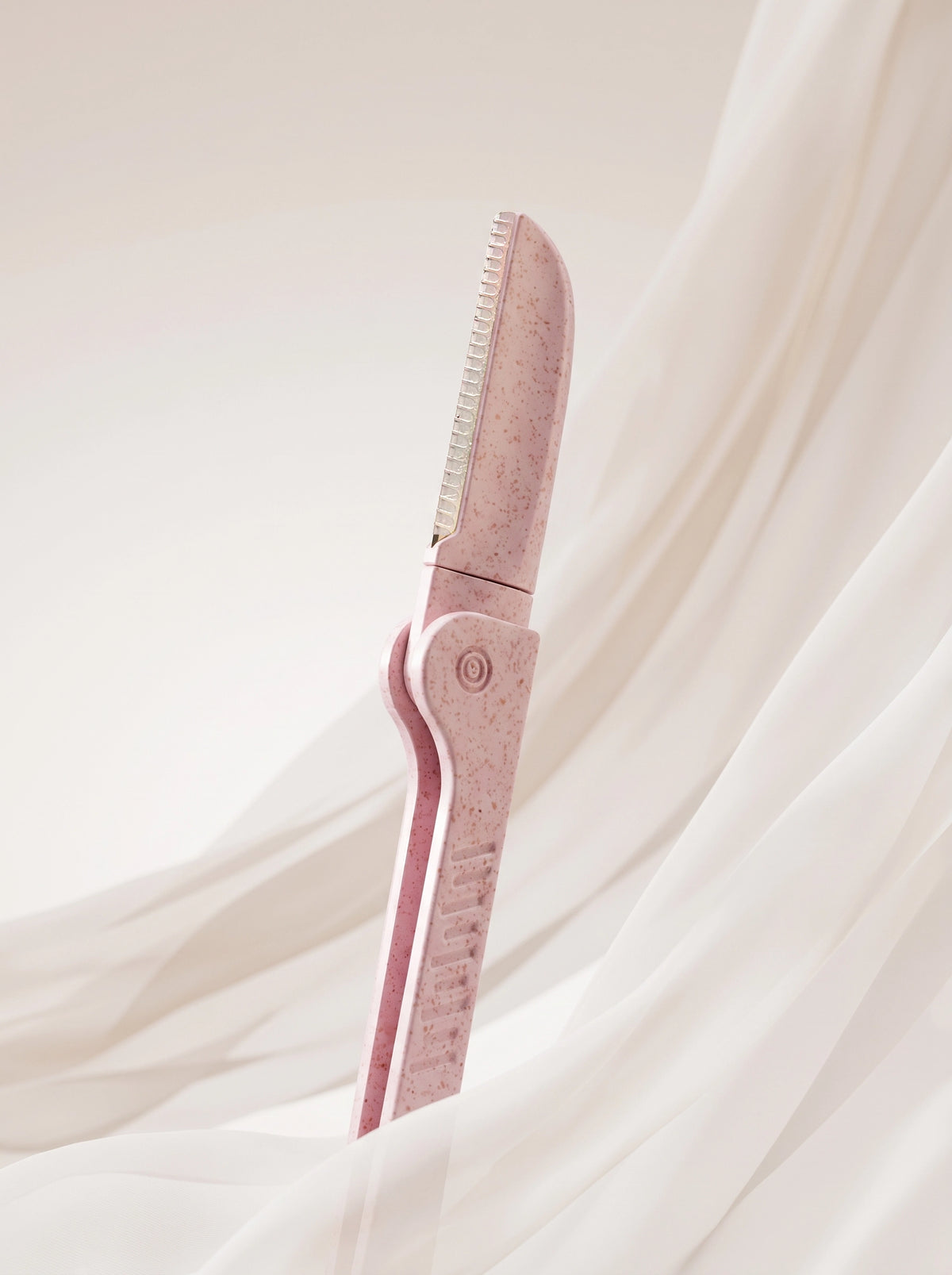
Proper tools make all the difference. Choose a tool designed for facial dermaplaning:
- Look for a single, sharp blade
- Opt for a balanced, easy-to-control handle
- Seek out UK-approved brands with good reviews
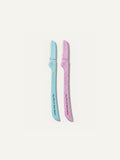
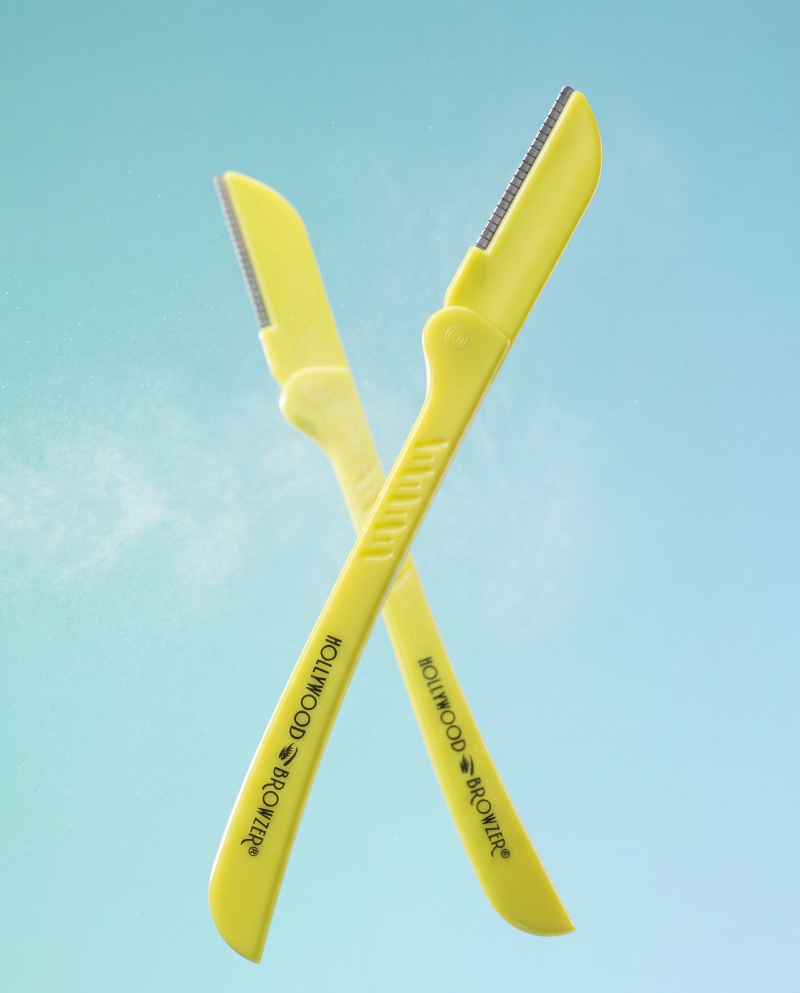
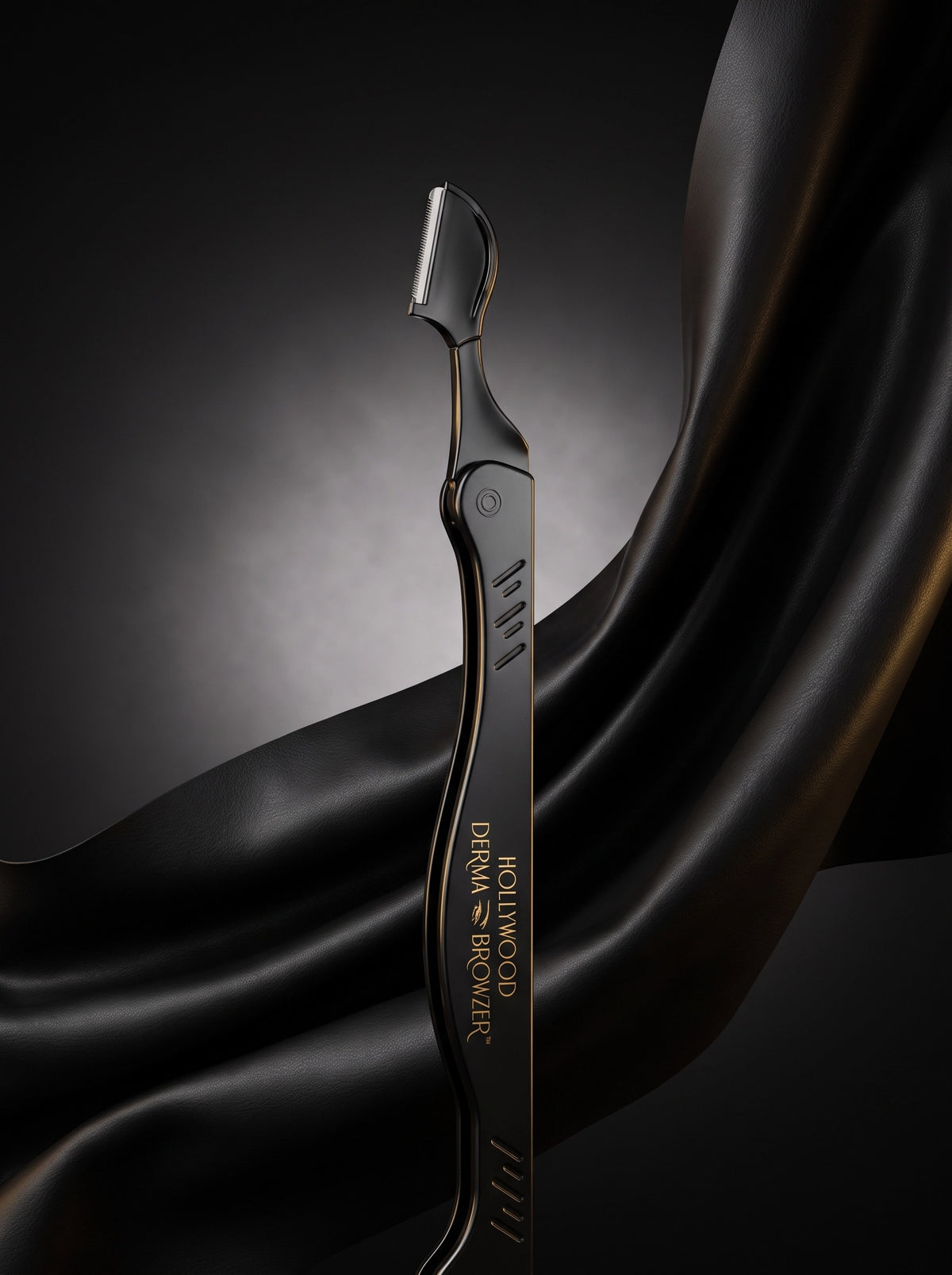
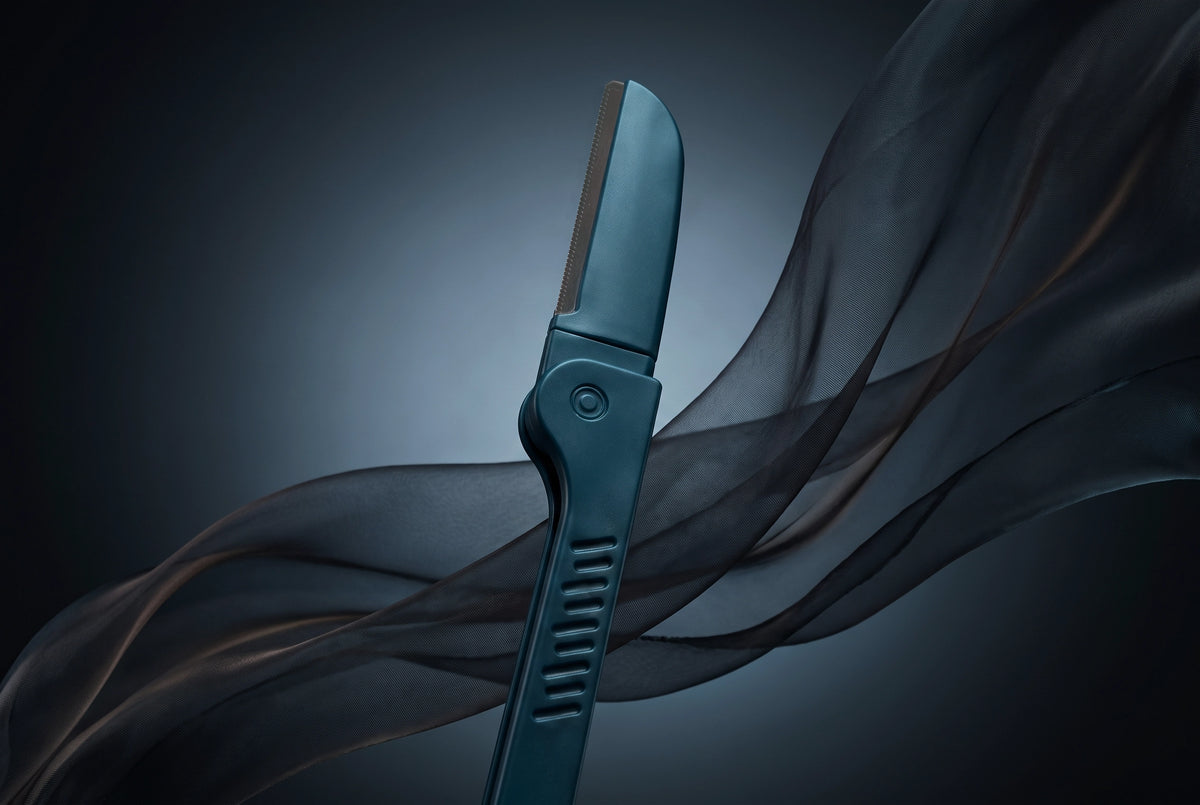
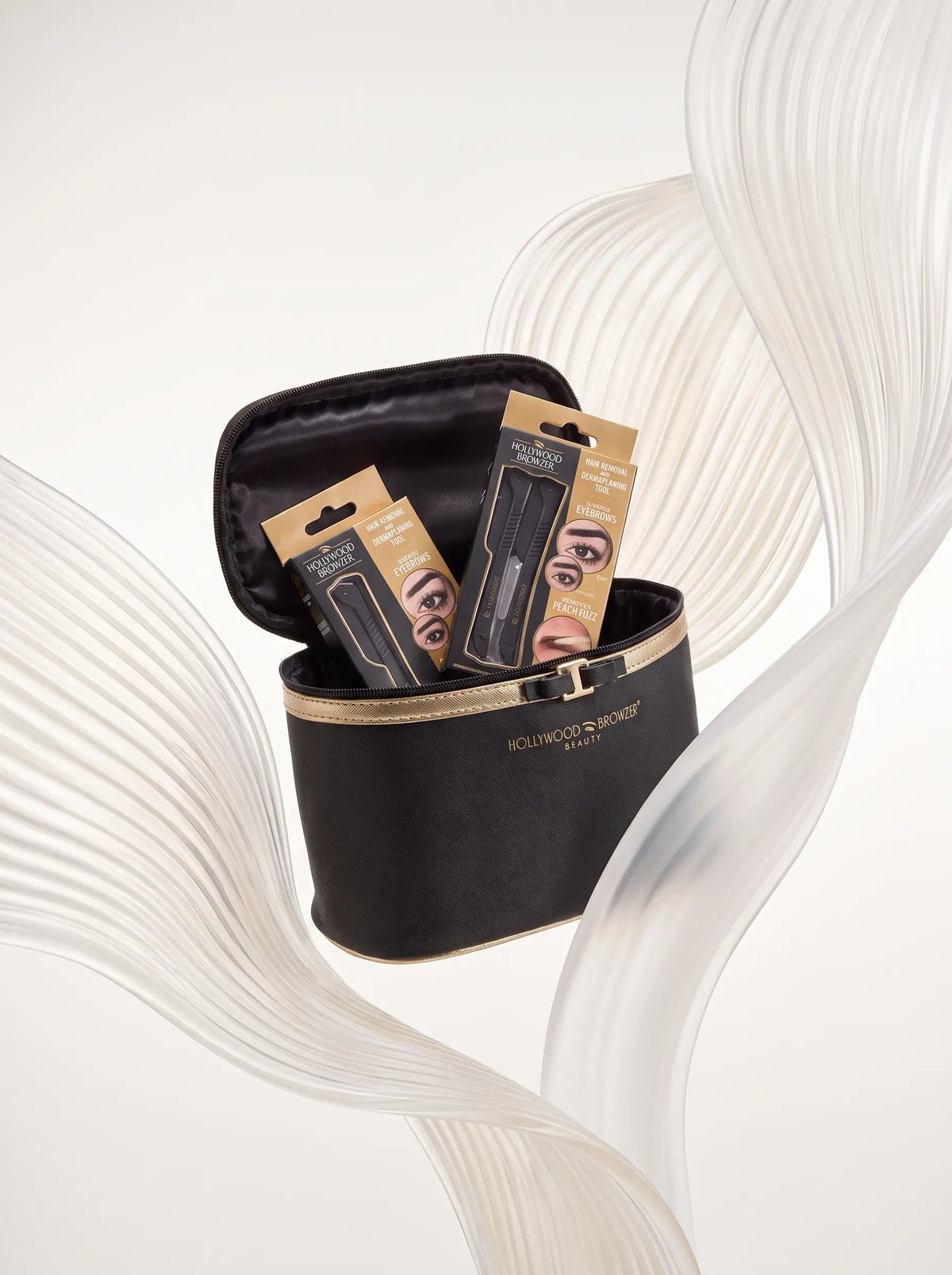
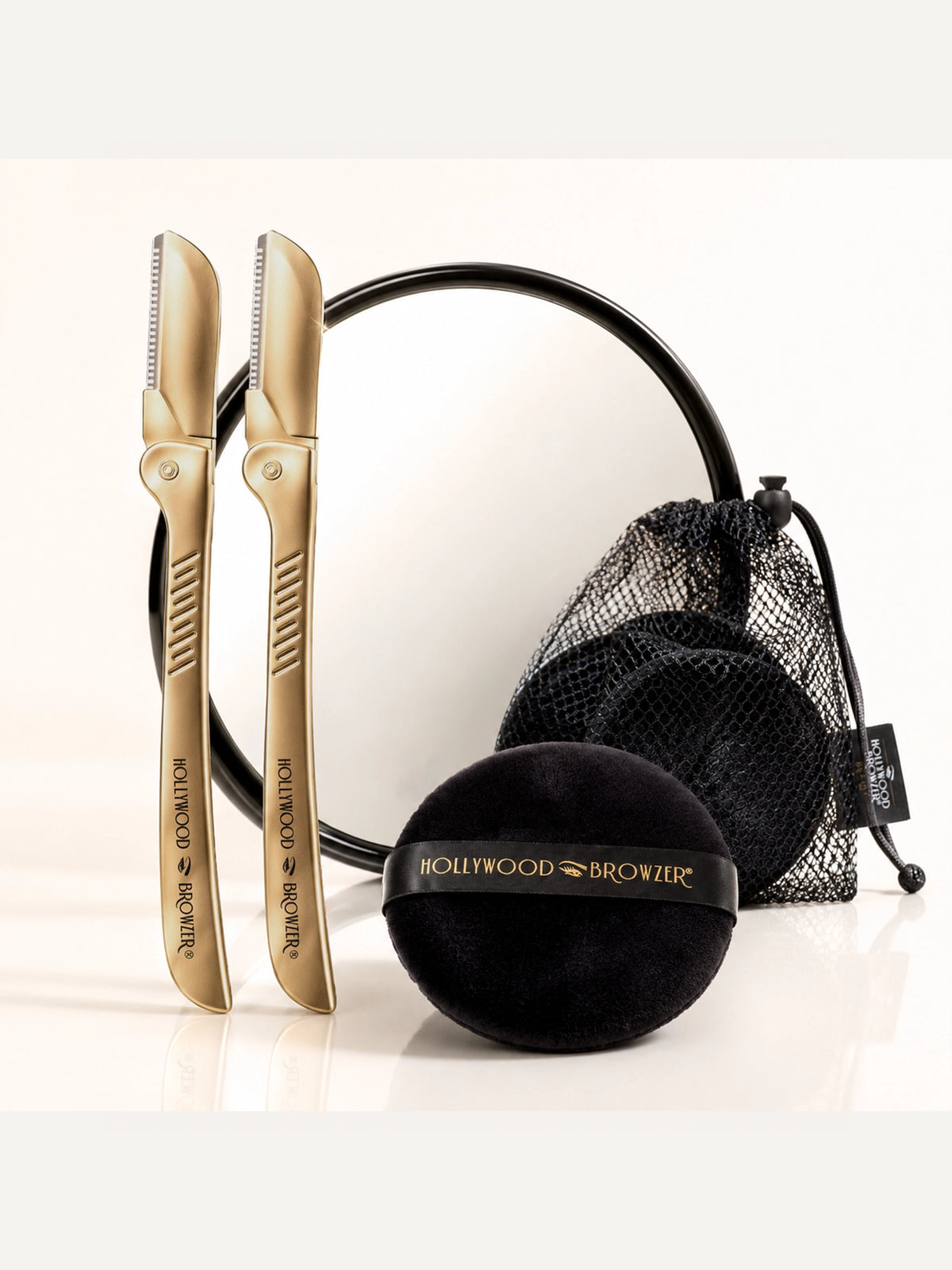
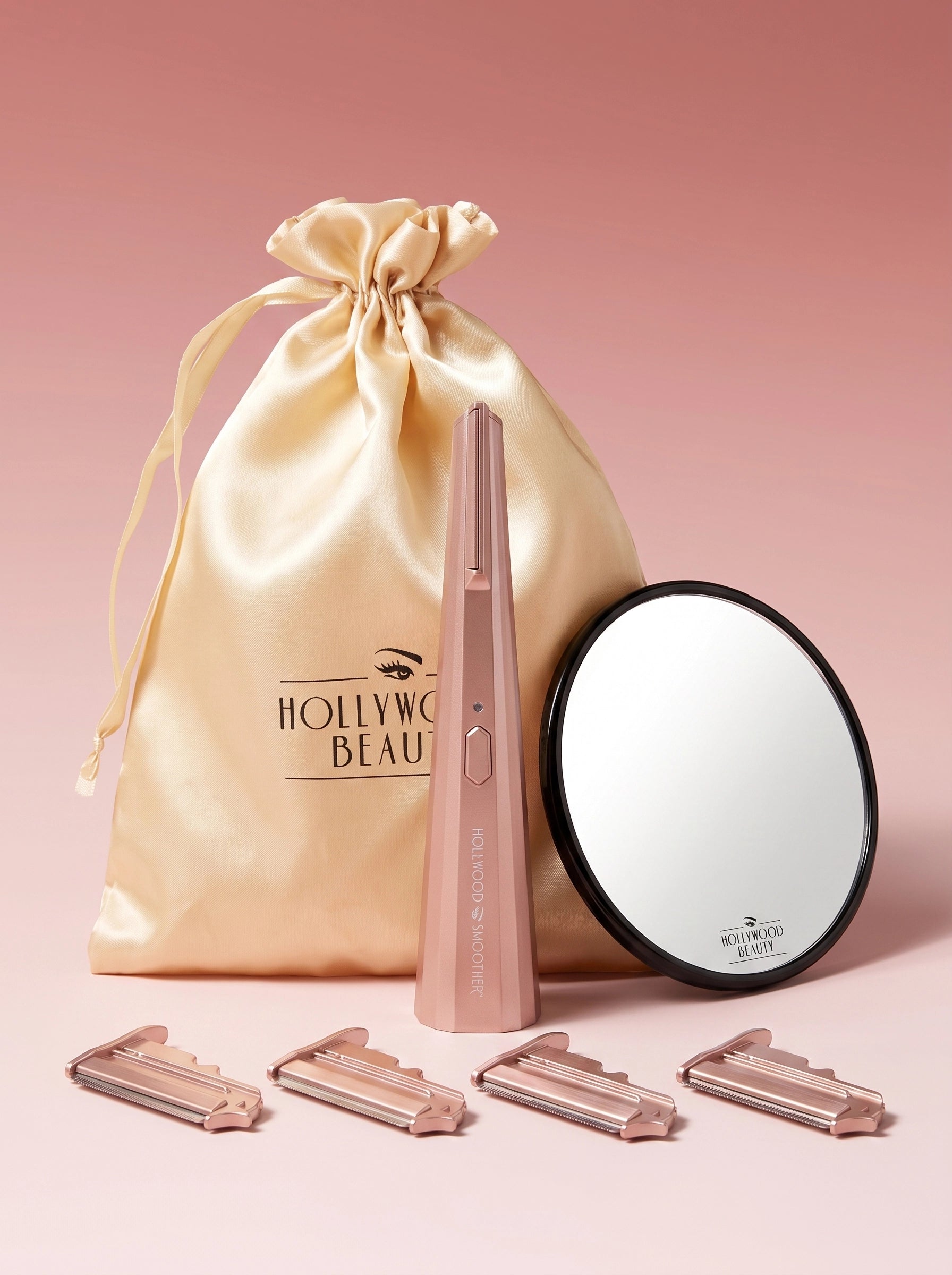
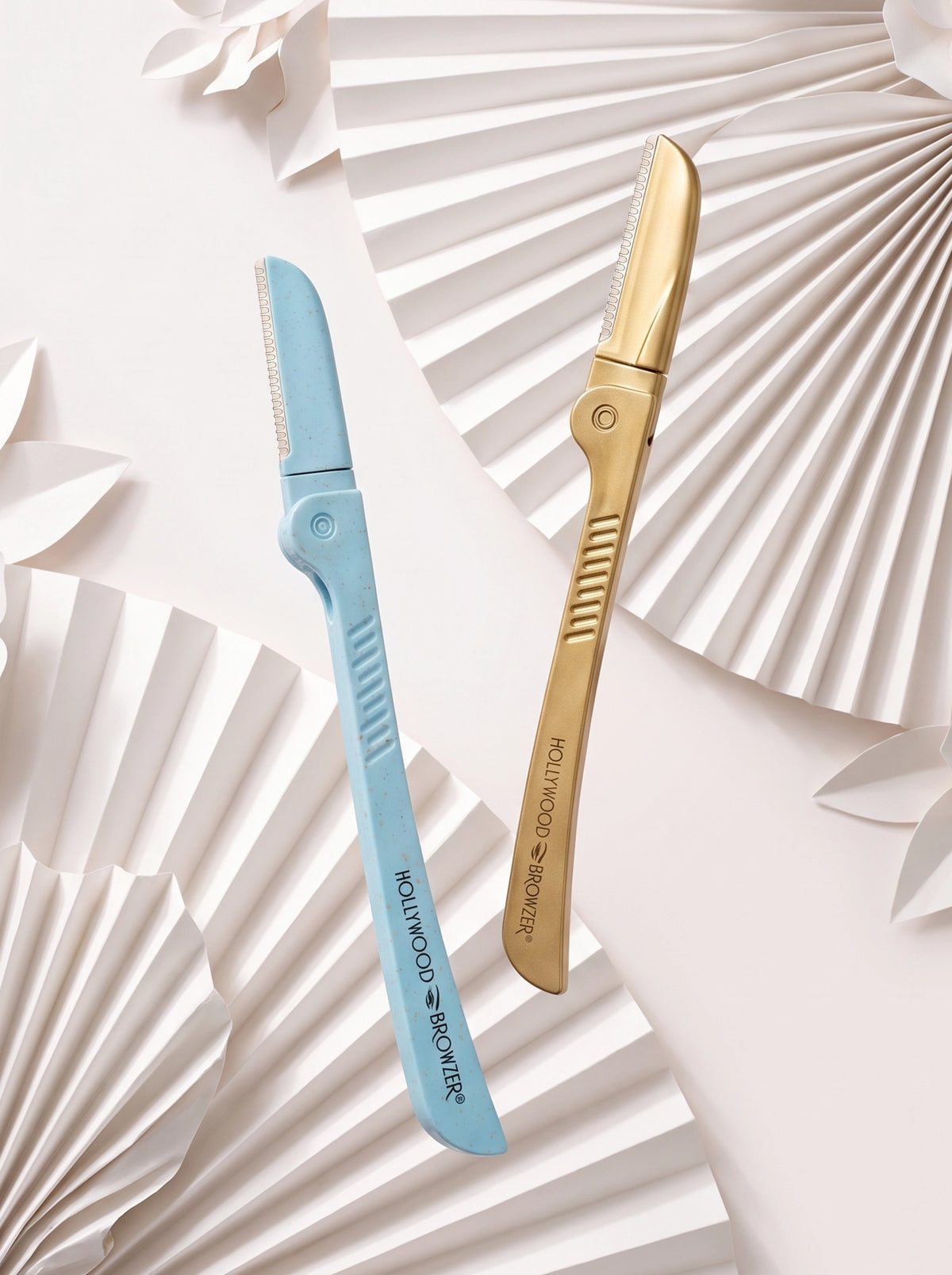
Hollywood Browzer is a recommended at-home facial dermaplaning tool in the UK. Its weighted handle and precision design make it ideal for home use.
Learn more about Hollywood Browzer dermaplaning tools here
Dermaplaning FAQs
Does hair grow back thicker after dermaplaning?
No. Peach fuzz regrows at the same rate and texture.
Will dermaplaning cause breakouts?
If performed on clean, suitable skin, it should not trigger breakouts.
Can I use facial oil while dermaplaning?
No. Always dermaplane on clean, dry skin for best results.
Final Takeaway
Dermaplaning at home is an effective way to remove peach fuzz and create smoother, brighter skin. The right tool, gentle technique, and proper aftercare will help you achieve professional outcomes without leaving your home. Treat dermaplaning as a regular part of your skincare routine to enhance product absorption and makeup application. Ready for smoother, glowing skin? Try a home dermaplaning session today and enjoy the confidence that comes with a fresh, radiant complexion.