

Dermaplaning: The Complete At-Home Guide
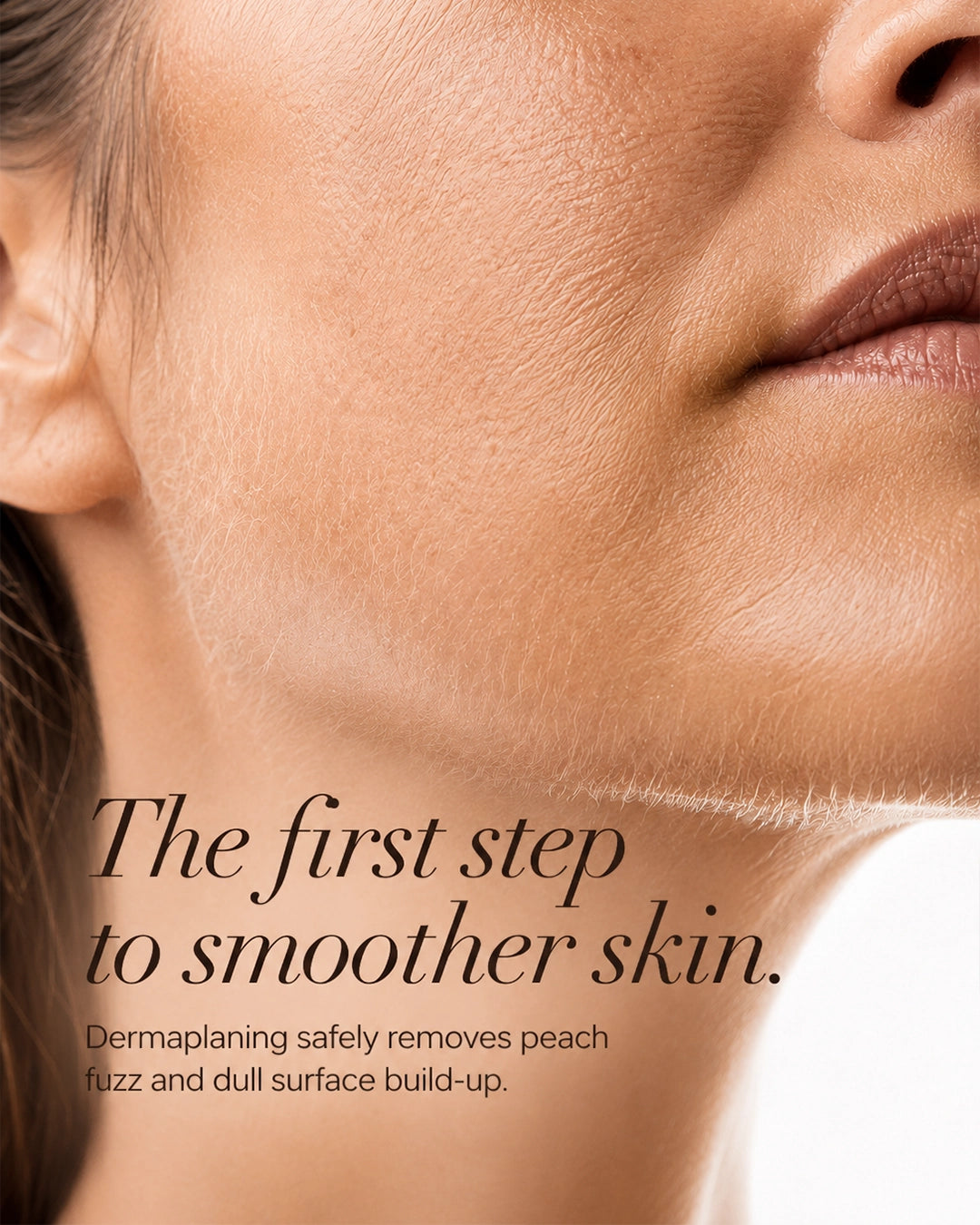
Dermaplaning has quickly become one of the most effective methods for achieving smoother, brighter skin from the comfort of your own home. Once an exclusive treatment found only in professional clinics, modern dermaplaning tools now allow you to safely remove peach fuzz and dead skin cells without the need for harsh exfoliants or downtime.
This comprehensive guide explains exactly what a dermaplaning tool is, how it works, how it differs from a standard face razor, and the step-by-step process for using one correctly at home.
What Is a Dermaplaning Tool?
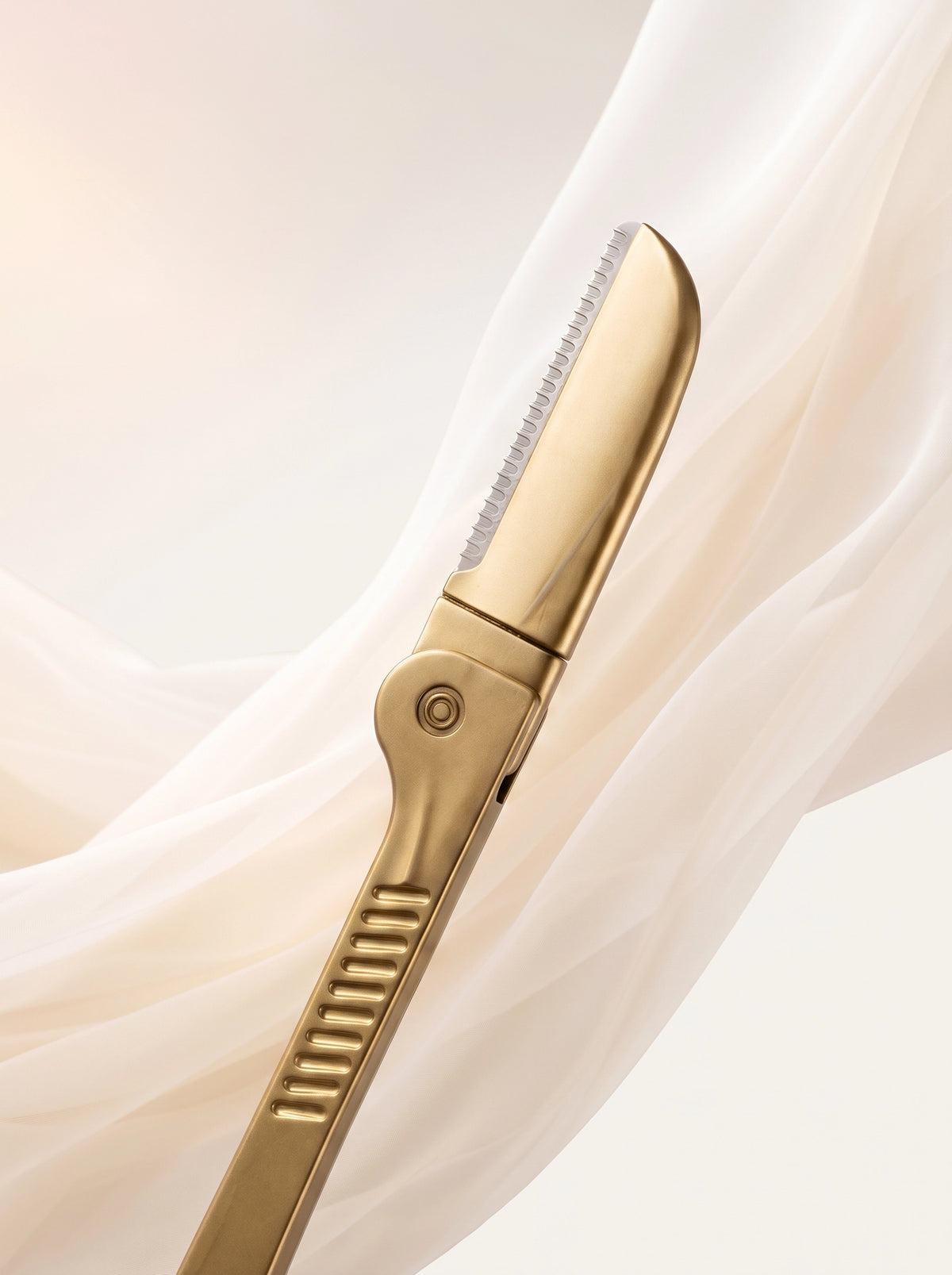
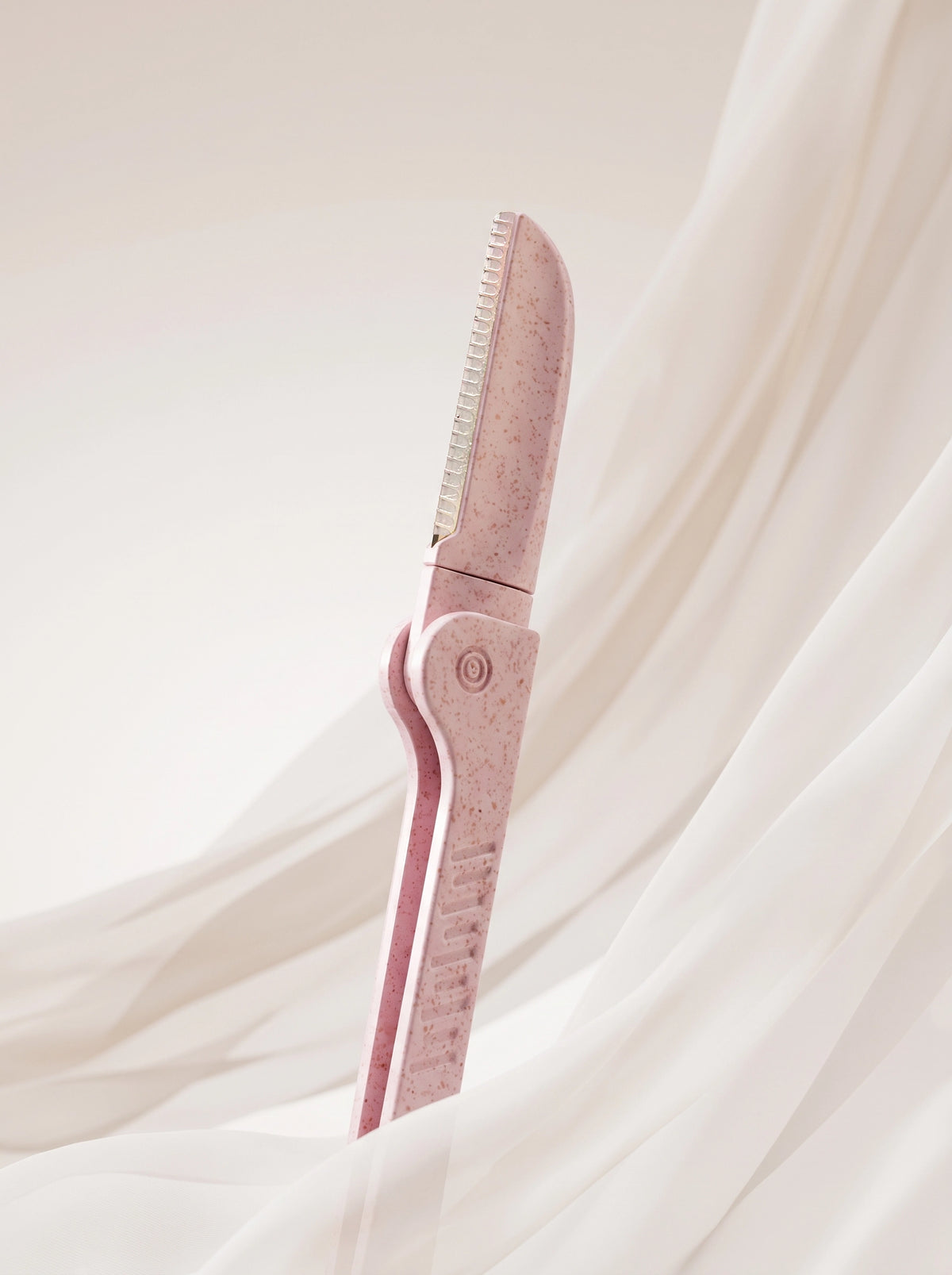
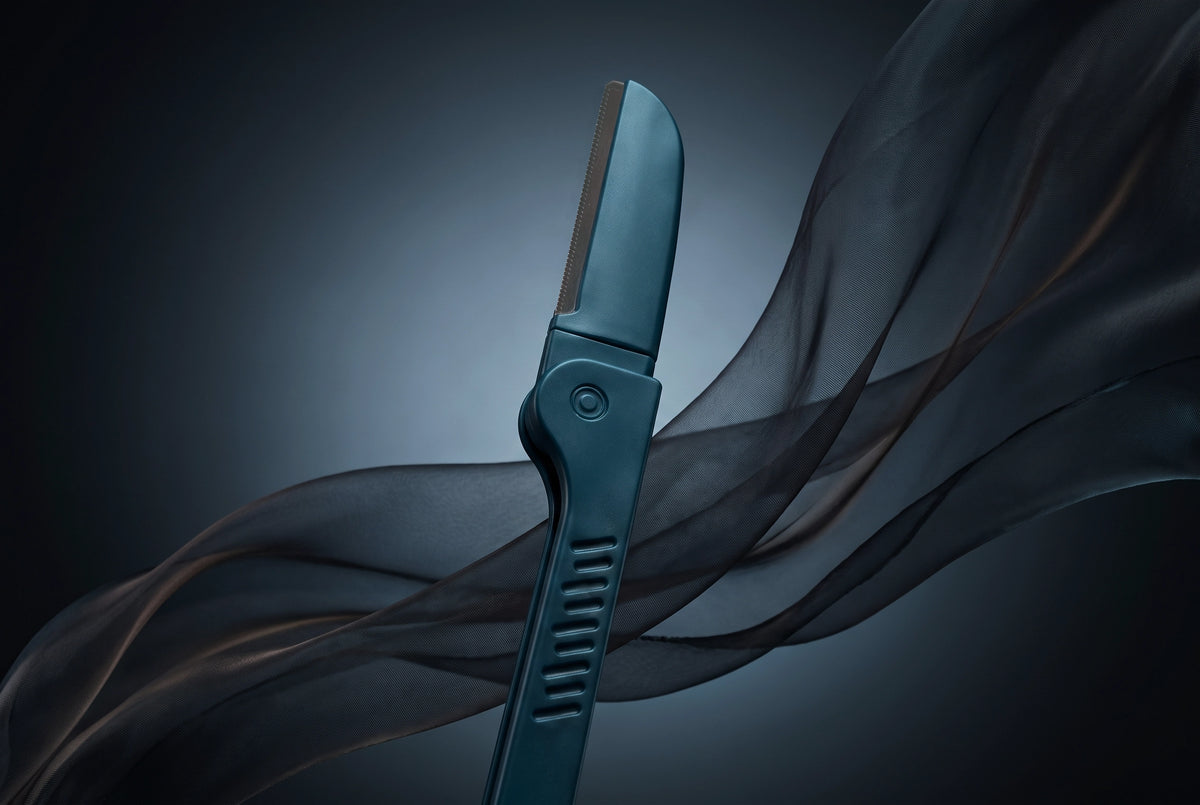
A dermaplaning tool is a specialized single-blade exfoliation device designed specifically for facial use. Its primary function is to remove fine vellus hair (commonly known as peach fuzz) along with the top layer of dead skin cells, resulting in a smoother, more even complexion.
Unlike multi-blade razors designed for body hair removal, a dermaplaning tool utilizes a single, precision blade combined with a controlled technique. This design allows for accurate, safe exfoliation without the tugging, irritation, or uneven pressure often associated with standard razors.
Dermaplaning Tool vs. Face Razor: What’s the Difference?
While the terms are often used interchangeably, a dermaplaning tool is not the same as a disposable face razor. Understanding the distinction is crucial for achieving safe results.
- Face Razors: These are typically lightweight, disposable tools designed primarily for quick hair removal rather than deep exfoliation.
- Dermaplaning Tools: These are purpose-built, single-blade devices designed to exfoliate the skin and remove hair. They are engineered for use with controlled pressure, which significantly reduces the risk of irritation and nicks.
Why Is It Used by Estheticians?
In professional settings, estheticians use dermaplaning to improve overall skin texture, enhance the absorption of skincare products, and create a flawless base for makeup application. At-home dermaplaning tools are designed to replicate this professional approach safely when used with the correct technique.
How Does a Dermaplaning Tool Work?
Dermaplaning works through a process of manual physical exfoliation. A fine blade is held at a shallow angle and gently moved across the skin to remove surface-level debris.
Single-Blade Exfoliation Explained
The blade does not cut into the skin. Instead, it gently lifts away dead skin cells, excess oil buildup, and fine facial hair. This non-invasive process leaves the skin feeling significantly smoother without disrupting the delicate skin barrier.
Removing Peach Fuzz and Dead Skin
Peach fuzz can trap oil and dirt, often making the skin appear dull. Removing this hair allows light to reflect more evenly off the skin's surface, contributing to a brighter, clearer, and more radiant look.
Impact on Product Absorption and Makeup Finish
One of the key benefits of dermaplaning is improved product performance. After treatment, serums and moisturizers can absorb more effectively into the skin rather than sitting on top of dead cells. Additionally, makeup applies more smoothly, as foundation is less likely to cling to dry patches or uneven texture.
Benefits of Using a Dermaplaning Tool
Incorporating a dermaplaning tool into your routine offers both immediate and cumulative benefits:
- Smoother Skin Texture: By consistently removing dead skin cells, dermaplaning helps reduce roughness and uneven skin texture.
- Brighter Appearance: Skin appears fresher, dewier, and more radiant immediately after exfoliation.
- Better Skincare Penetration: With the barrier of surface debris removed, active ingredients in skincare products work more effectively.
- Flawless Makeup Application: Dermaplaning creates an incredibly smooth canvas, reducing the appearance of texture under foundation and powder.
Is Dermaplaning Safe to Do at Home?
Yes, dermaplaning is safe to perform at home provided you use the correct tool and follow proper techniques.
Who Is It Suitable For?
Dermaplaning is generally suitable for those with normal to dry skin, combination skin, and anyone dealing with dull or textured skin.
Who Should Avoid It?
You should avoid dermaplaning if you currently have active acne, inflamed or broken skin, or sensitive skin conditions such as eczema or rosacea flare-ups. If you are unsure, always consult a professional dermatologist or esthetician before starting.
Frequency Guidance
For most skin types, dermaplaning every three to four weeks is ideal. Overuse can cause sensitivity and compromise the skin barrier.
How to Use a Dermaplaning Tool at Home
Using the correct technique is essential for safe, effective results. Follow these steps for the best outcome:
- Skin Preparation: Start with a completely clean, dry face. Avoid using oils or slip products during the process. Tie your hair back and ensure you are working in good lighting.
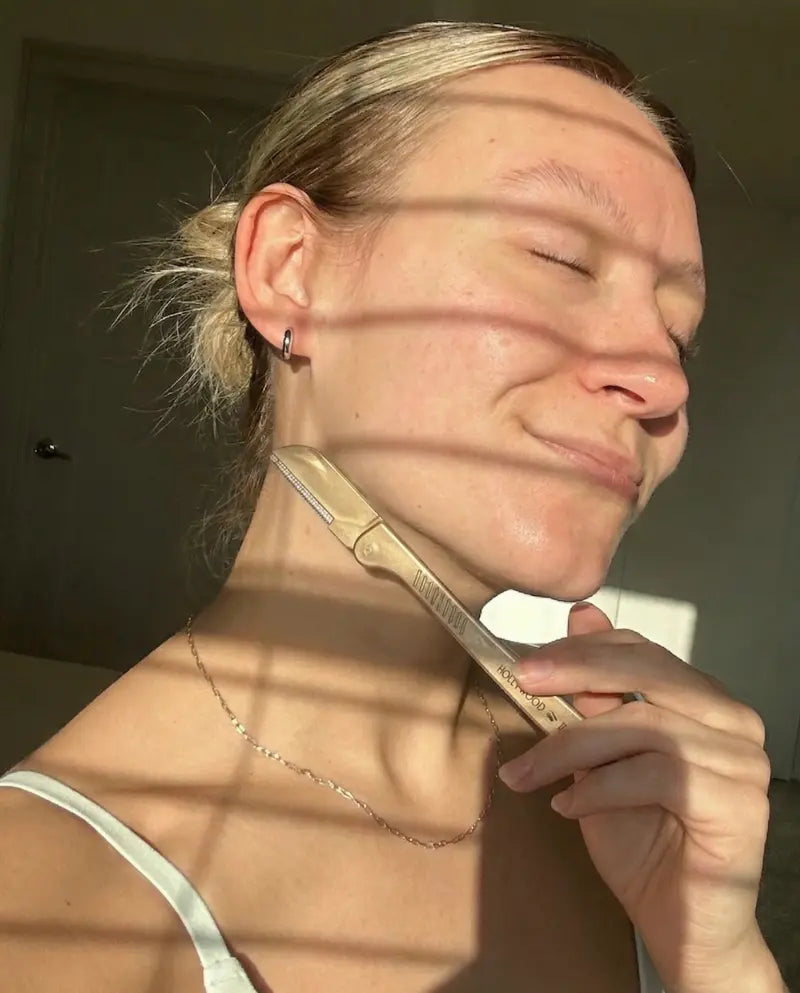
- Correct Angle: Hold the dermaplaning tool at a 45-degree angle against your skin.
- Technique: Use short, light strokes and work downward with minimal pressure. Let the tool do the work.
- What Not to Do: Do not press hard, do not dermaplane over active breakouts or moles, and do not rush the process.
Common Dermaplaning Myths Debunked
- Does hair grow back thicker? No. Dermaplaning cuts the hair at the surface; it does not change the hair color, thickness, or growth rate.
- Does dermaplaning cause breakouts? When done correctly on suitable skin, dermaplaning does not cause acne. However, using dirty tools or over-exfoliating may lead to irritation.
- Can dermaplaning damage skin? Improper tools or aggressive techniques can cause sensitivity. Using a high-quality dermaplaning tool and sticking to the recommended frequency reduces this risk.
How to Choose the Right Dermaplaning Tool
Not all tools are created equal. Here is what to look for:
- Blade Quality: Look for a sharp, single blade designed specifically for facial use. Dull blades increase friction and irritation.
- Handle Weight and Balance: A well-balanced handle improves control and reduces the chance of applying uneven pressure.
- Reusability: Reusable tools often offer better blade consistency and are more sustainable than cheap disposable razors.
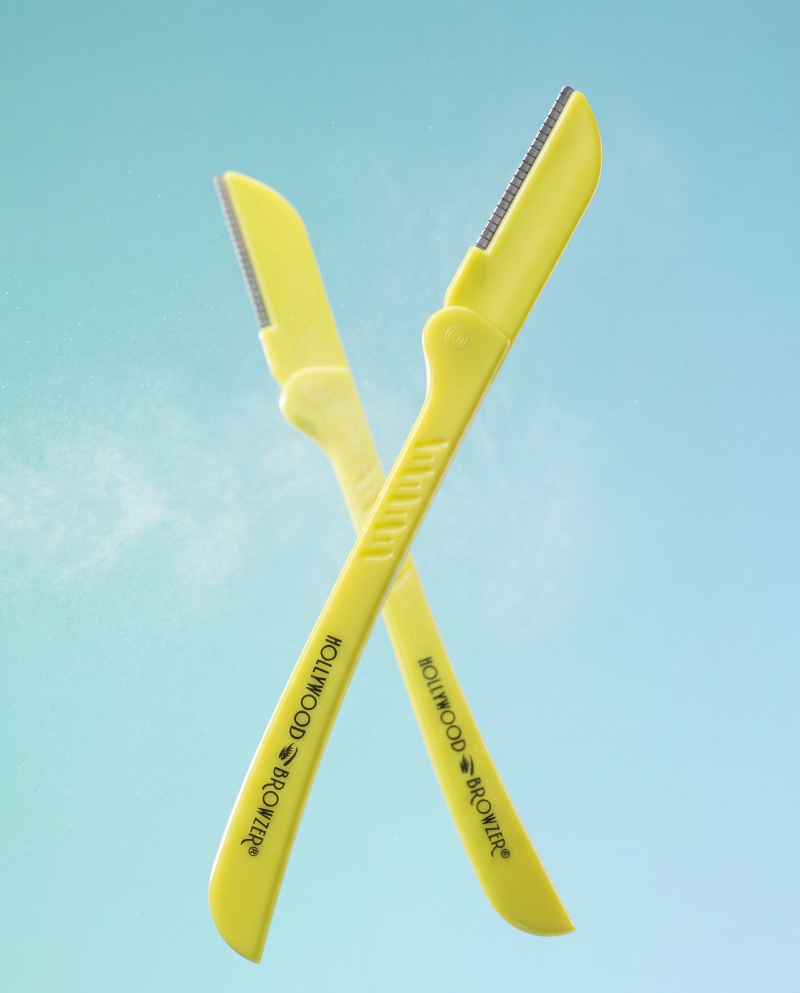
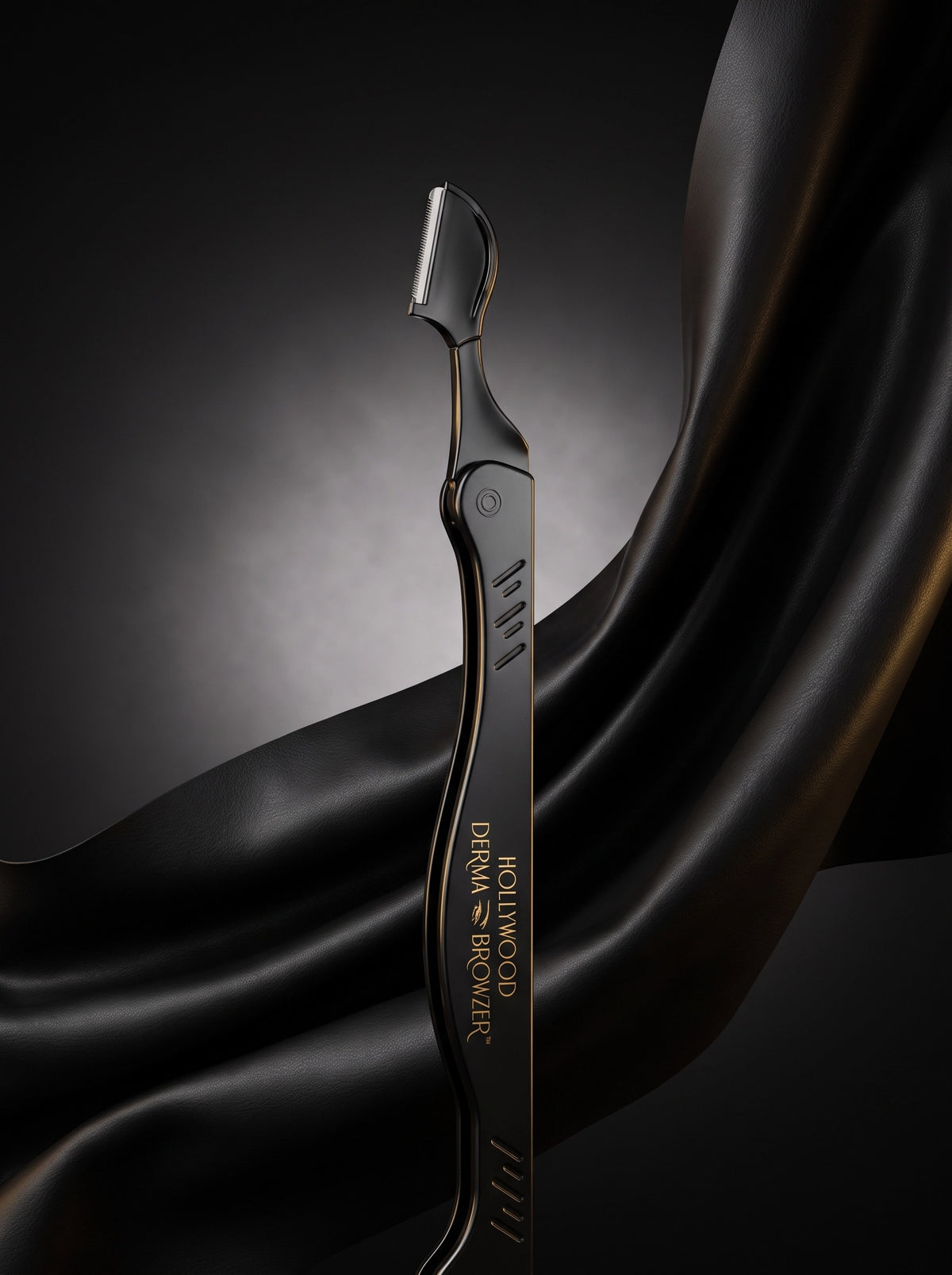
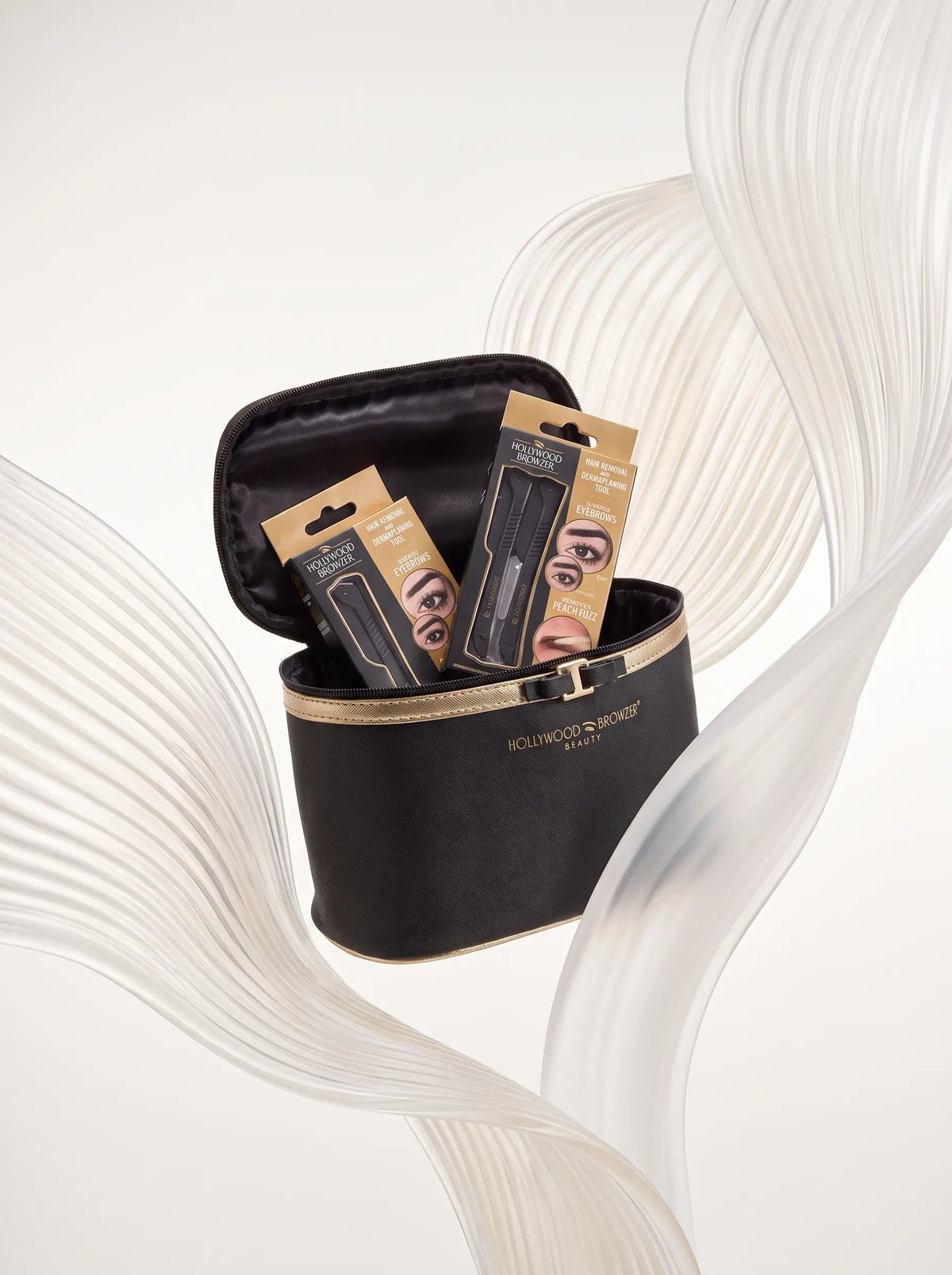
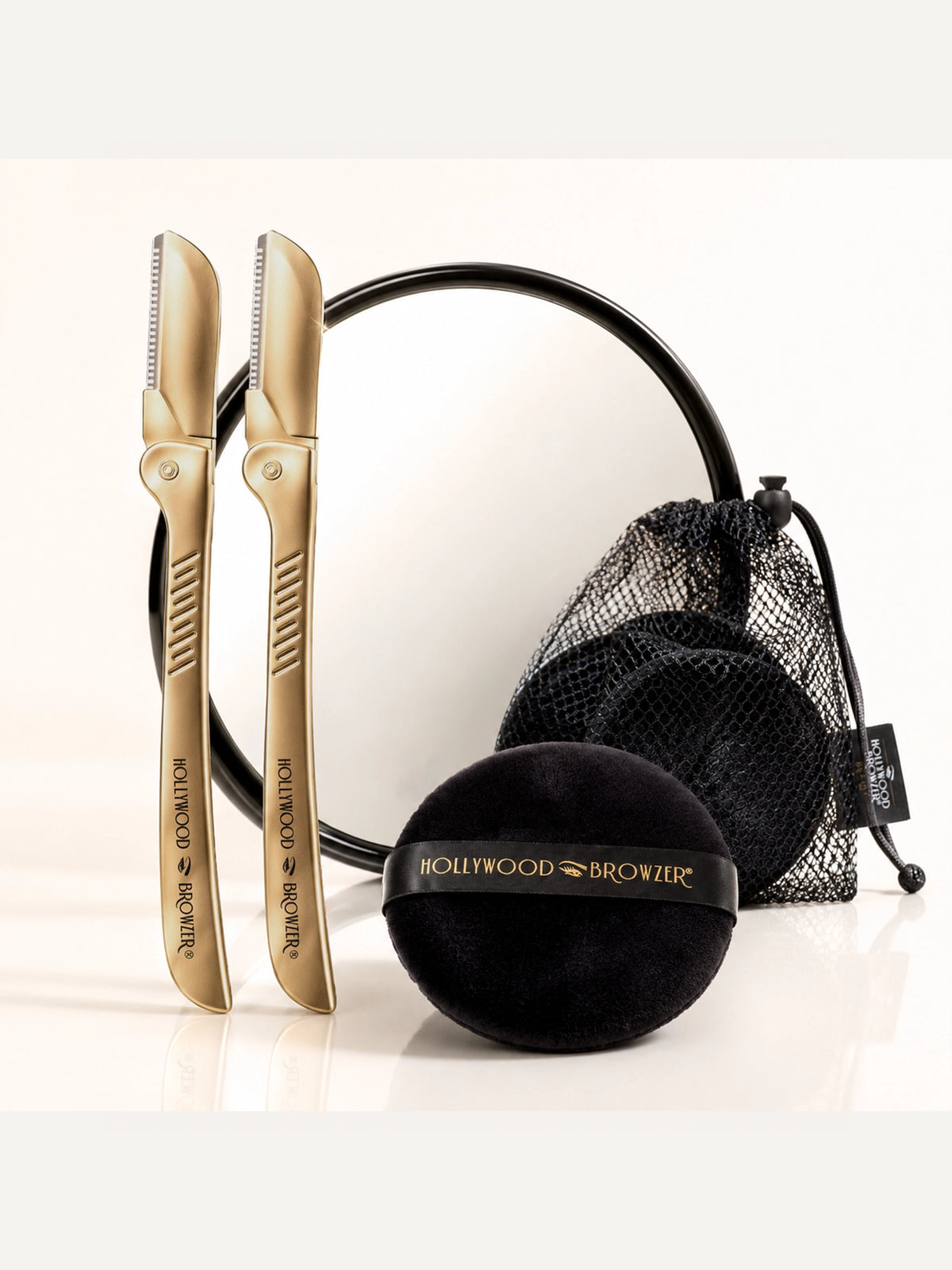
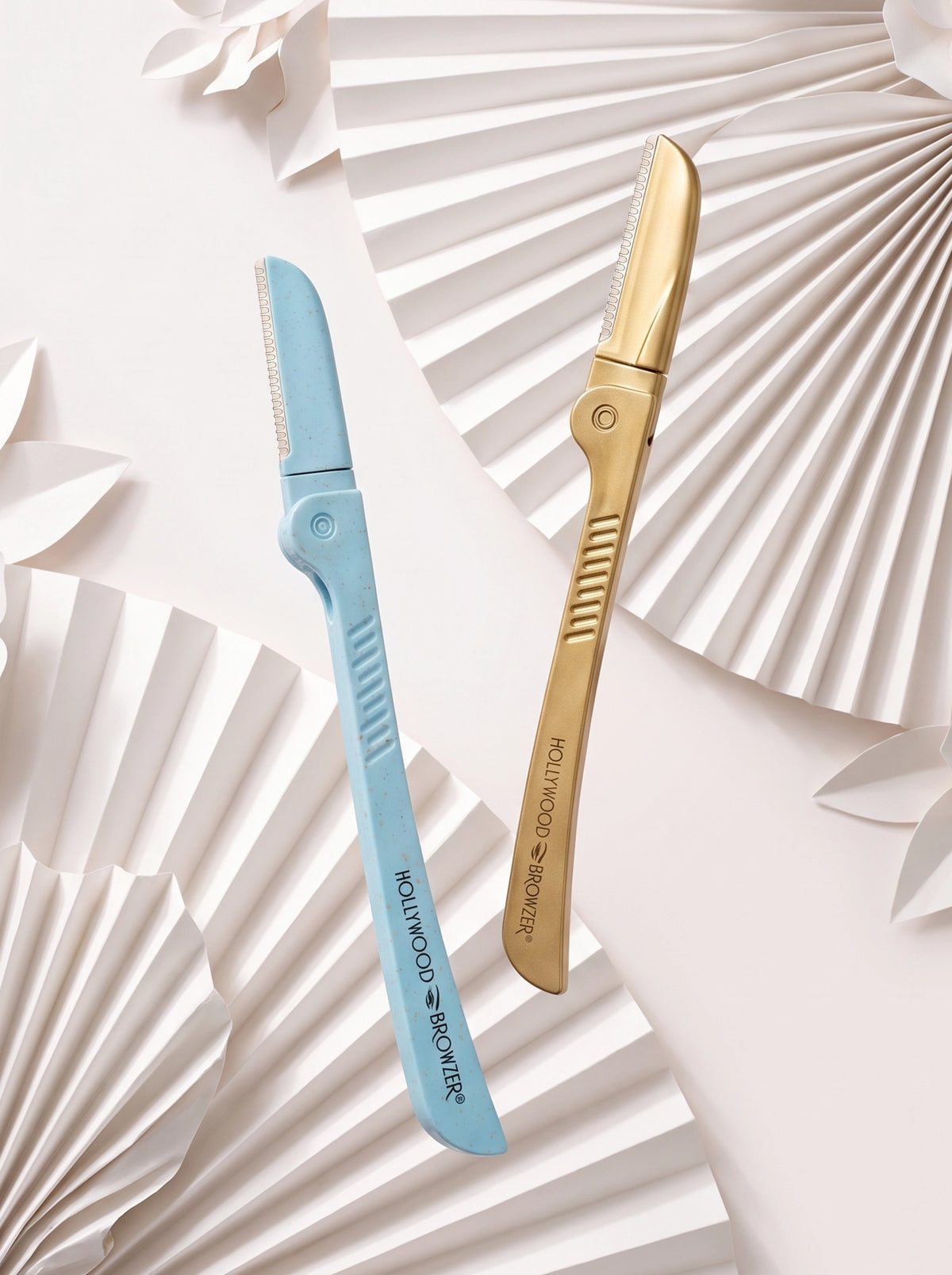
- Hollywood Browzer: The Hollywood Browzer is designed specifically for facial dermaplaning. Unlike a standard disposable face razor, its weighted handle and precision blade support controlled exfoliation, making it an excellent choice for regular at-home use.
Dermaplaning FAQs
Does dermaplaning hurt?
No. When performed correctly with a proper tool, dermaplaning is completely painless.
How often should you dermaplane?
Every three to four weeks is the recommended frequency to align with your skin's natural renewal cycle.
Can sensitive skin types dermaplane?
Those with sensitive skin should proceed cautiously. Patch testing is highly recommended, as is seeking professional advice before beginning.
Is dermaplaning better than waxing or threading?
Dermaplaning offers the dual benefit of exfoliating the skin while removing hair, making it a preferred option for those looking to improve overall skin texture, rather than just hair removal.