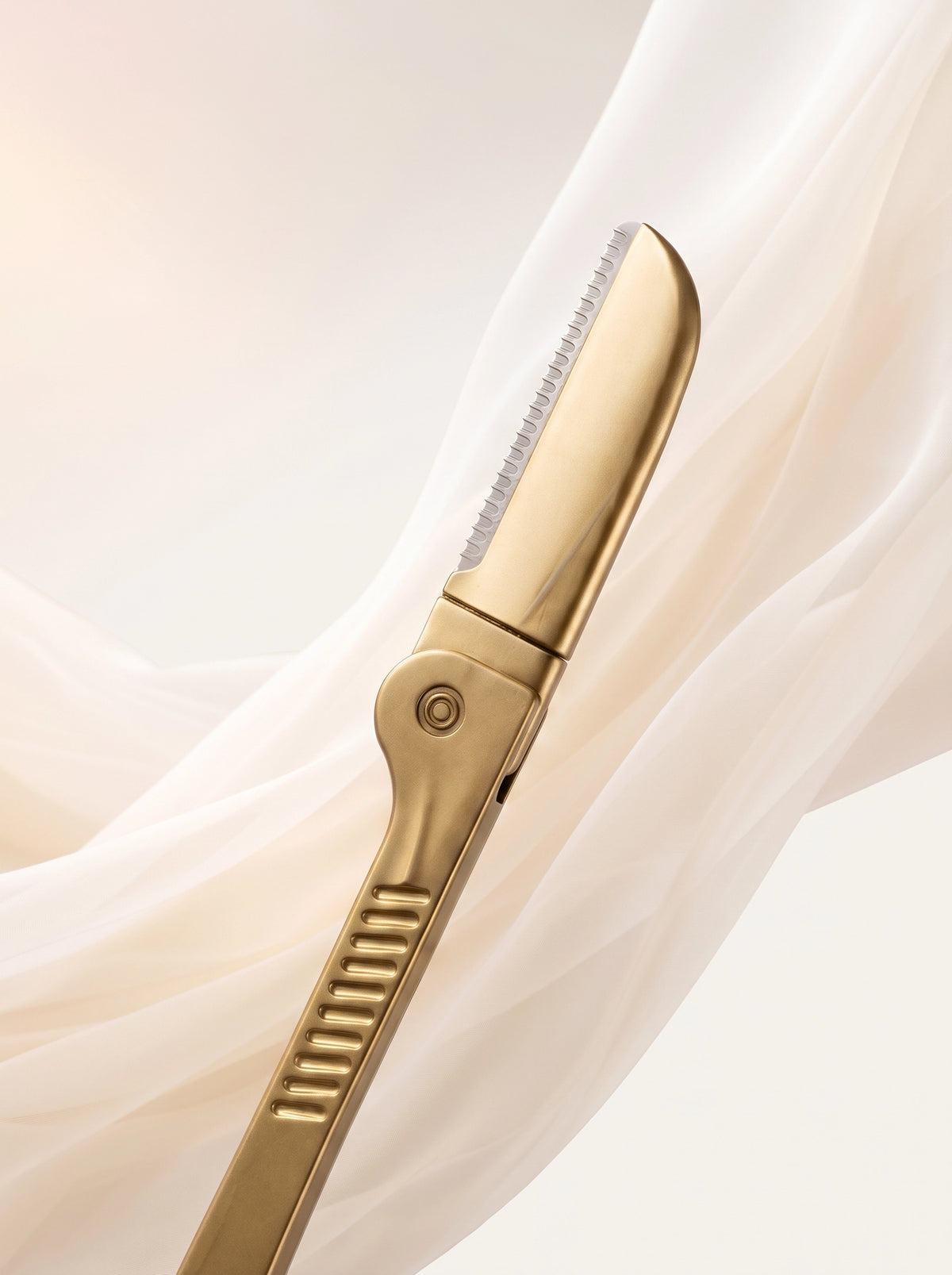
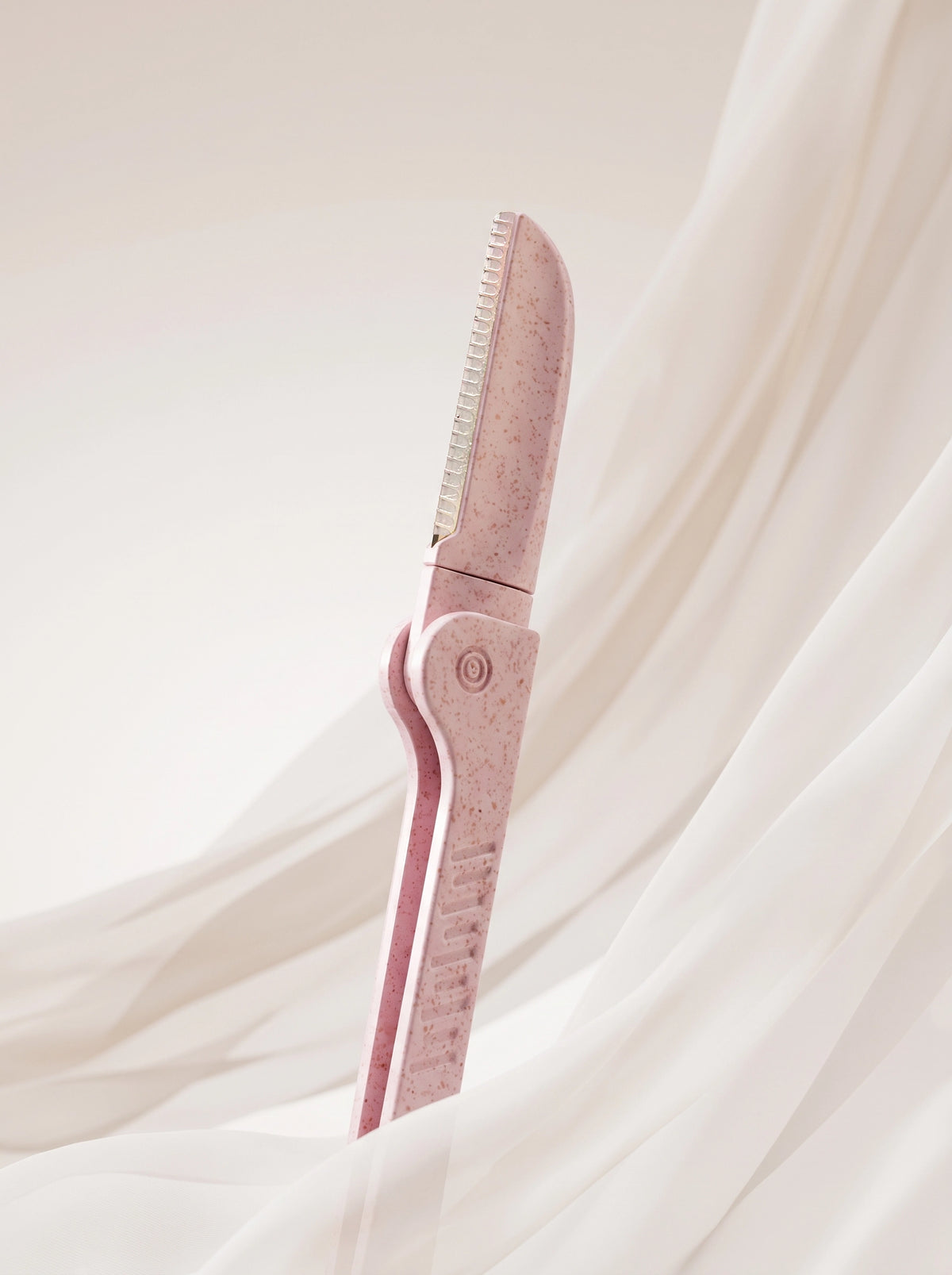
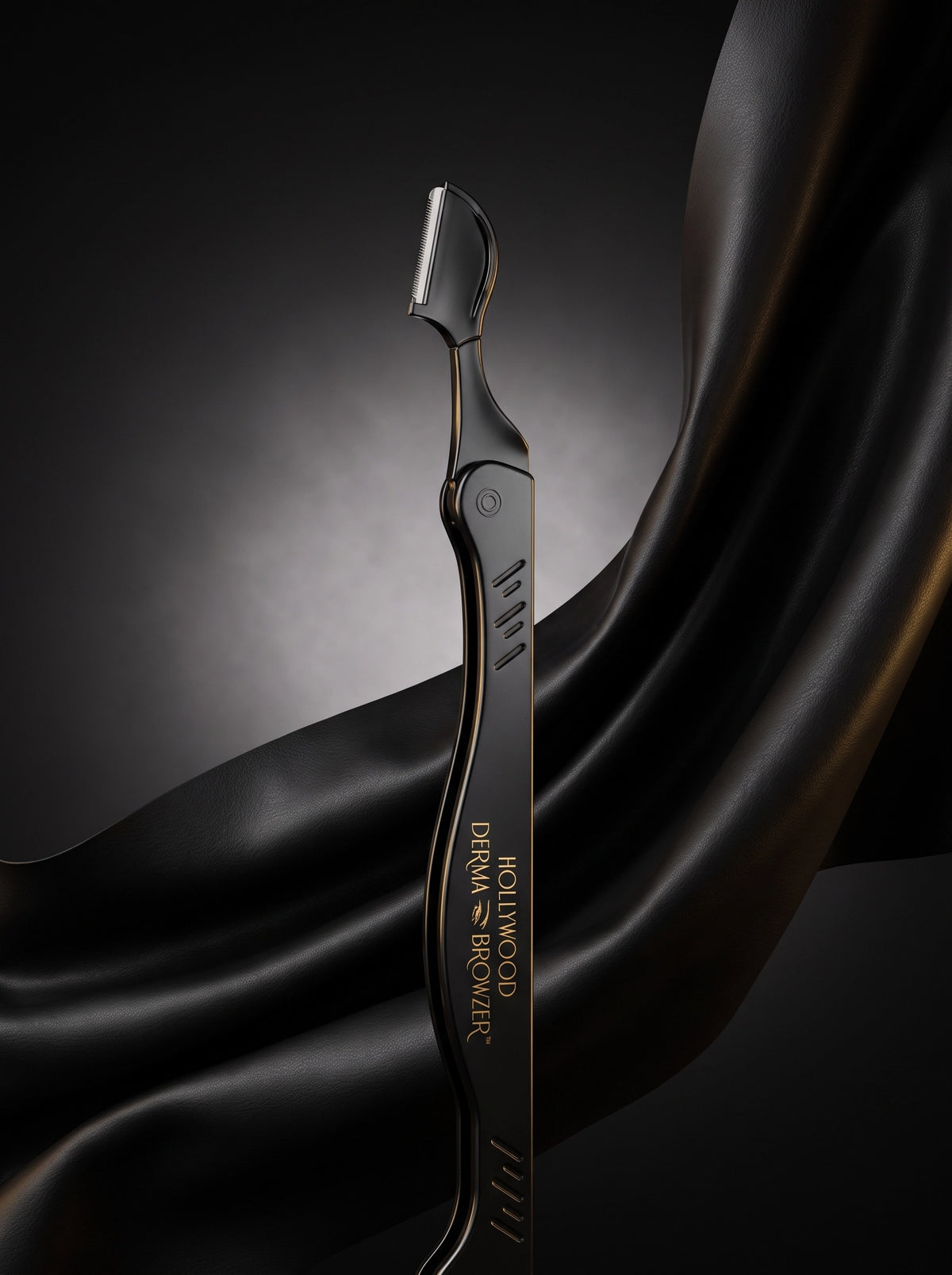
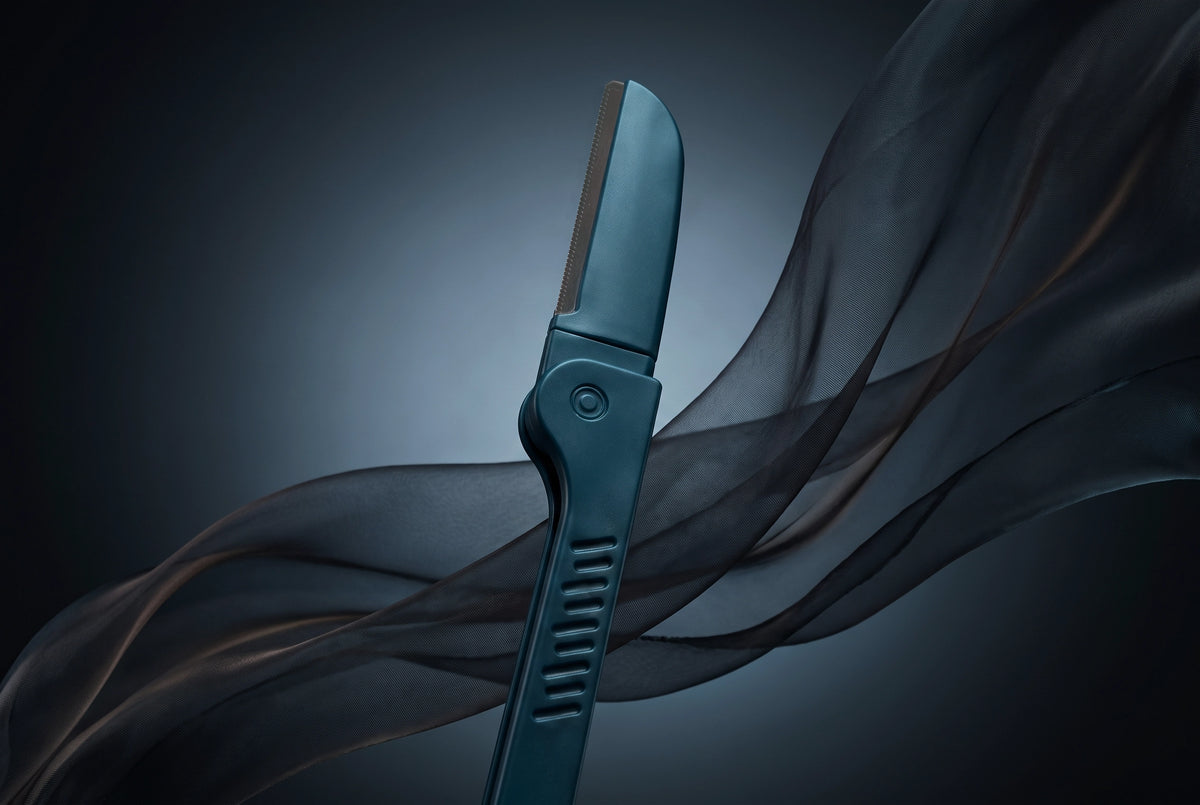
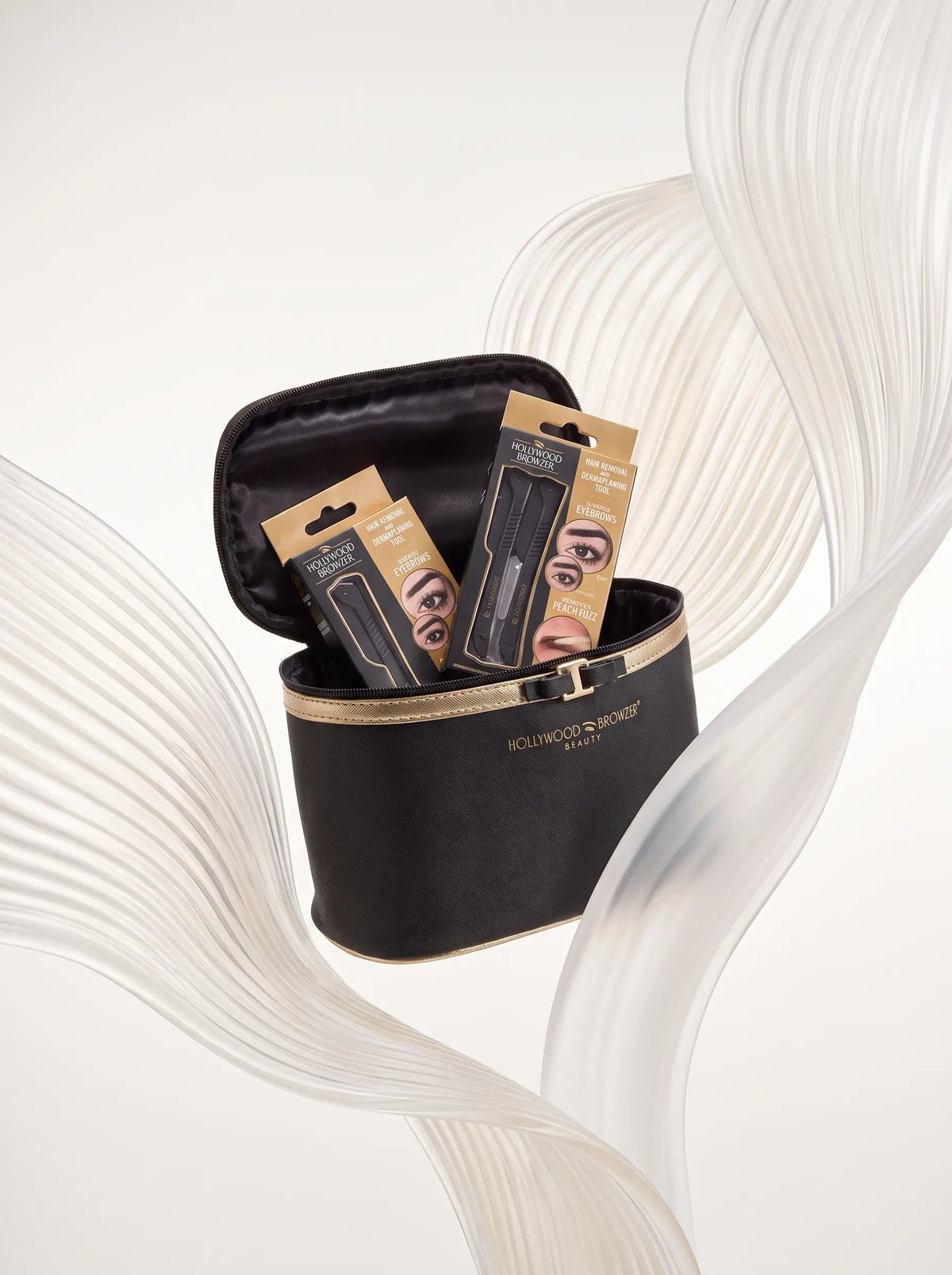
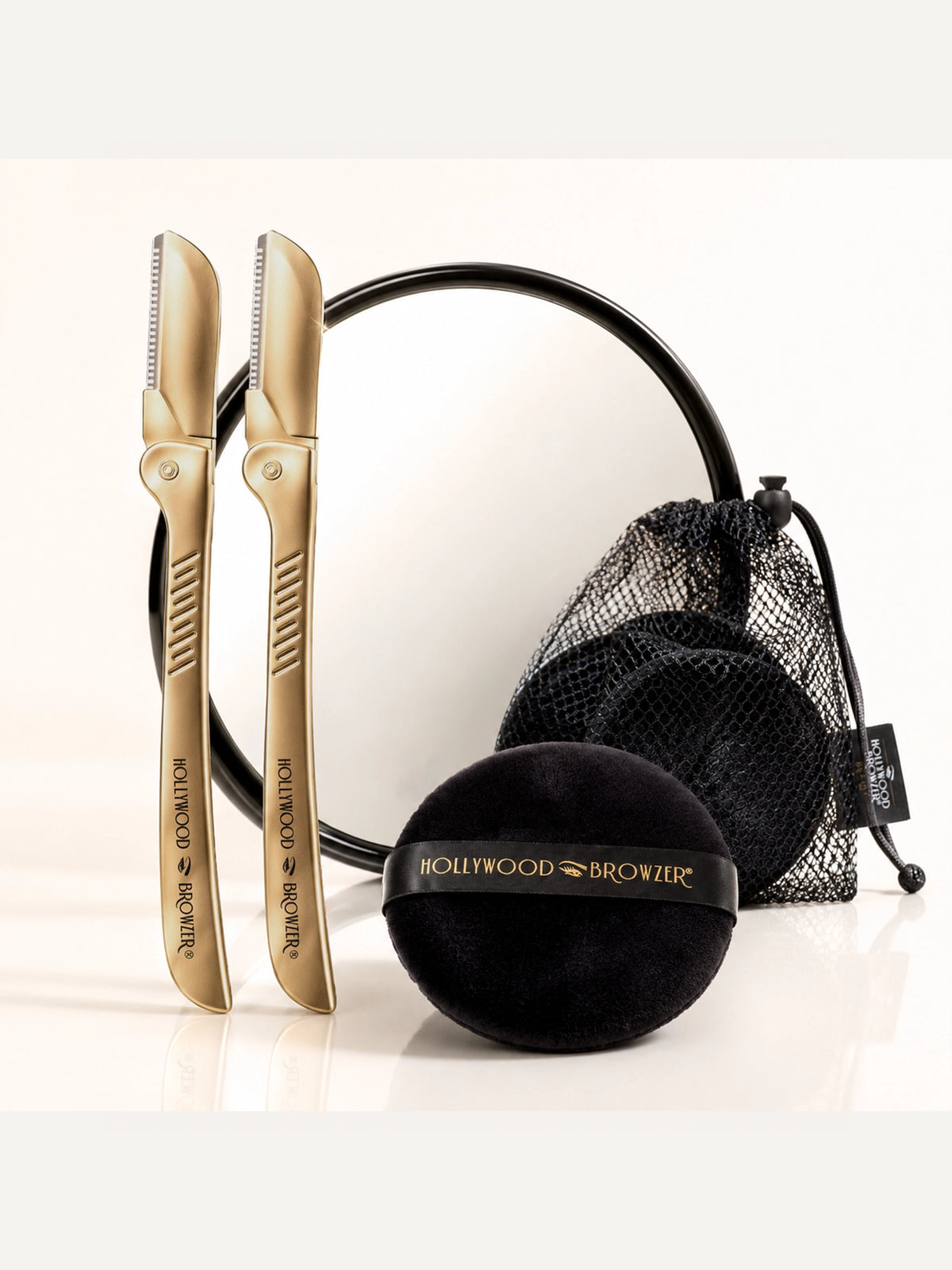
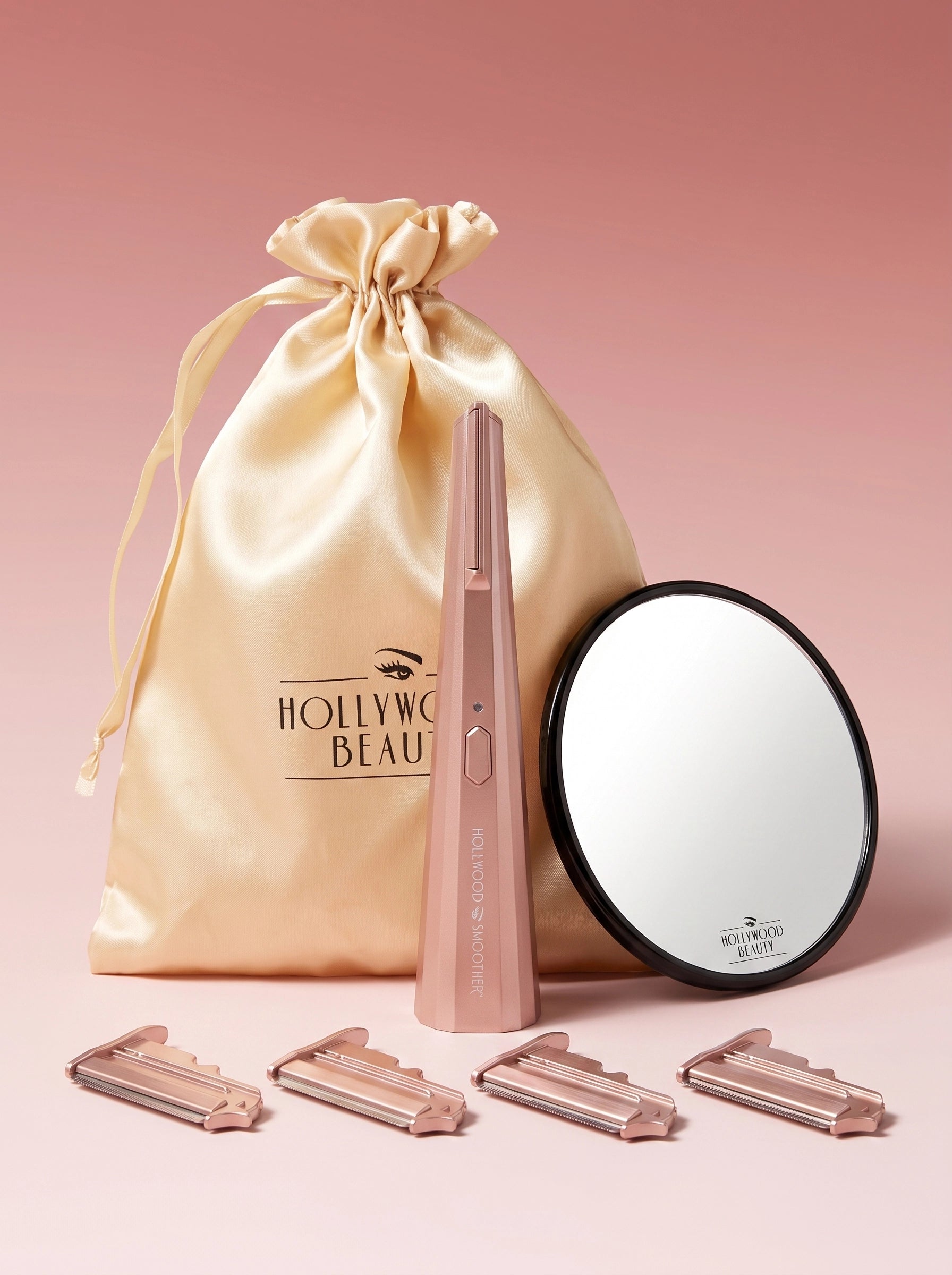

Dermaplaning Guide: What Is Dermaplaning & How Does It Work?
Dermaplaning is a professional and at-home exfoliation treatment designed to remove dead skin cells and fine facial hair, often referred to as peach fuzz, from the surface of the skin. The result is smoother skin texture, a brighter complexion, and a more even base for skincare products and makeup.
Historically, dermaplaning was available only in treatment rooms or clinics, but today, dermaplaning at home has become a top skincare trend. With the right dermaplaning tool, you can safely achieve expert-level results in your own bathroom.
This complete guide explains:
- What dermaplaning is
- How dermaplaning works
- Key dermaplaning benefits
- Who should (and shouldn’t) try dermaplaning
- The difference between dermaplaning and shaving
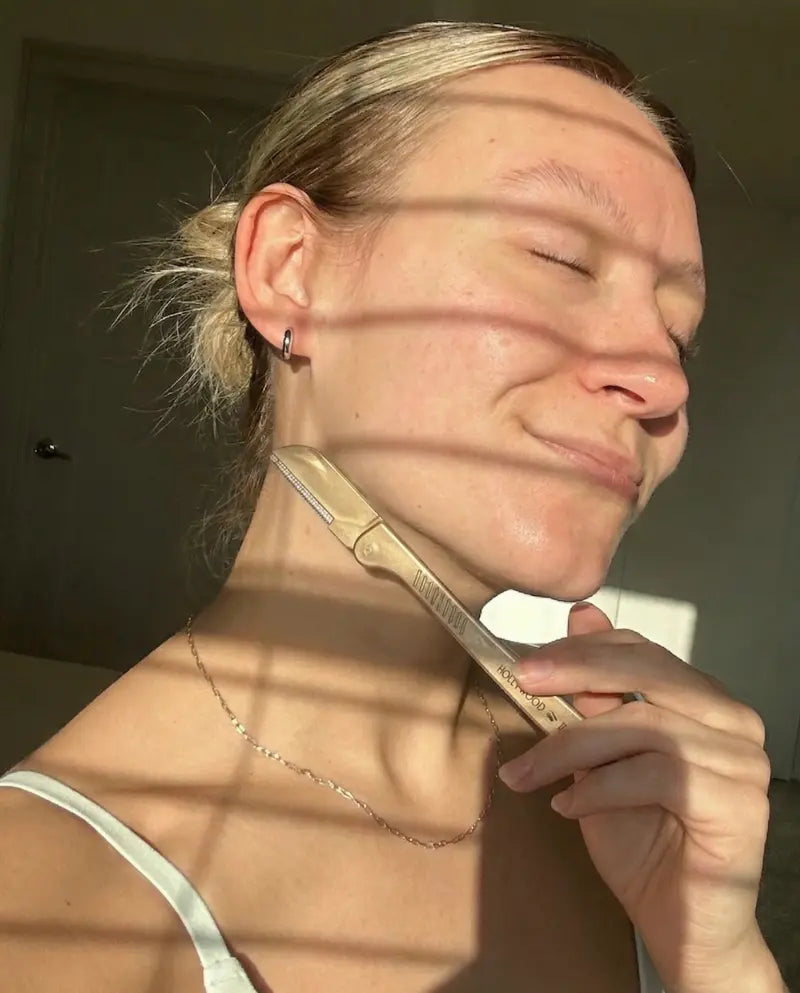
- How to use a dermaplaning tool at home
What Exactly Is Dermaplaning?
Dermaplaning is a manual facial exfoliation technique using a sterile, sharp blade to gently remove the outermost layer of dead skin cells as well as fine vellus hair, or peach fuzz, from the face.
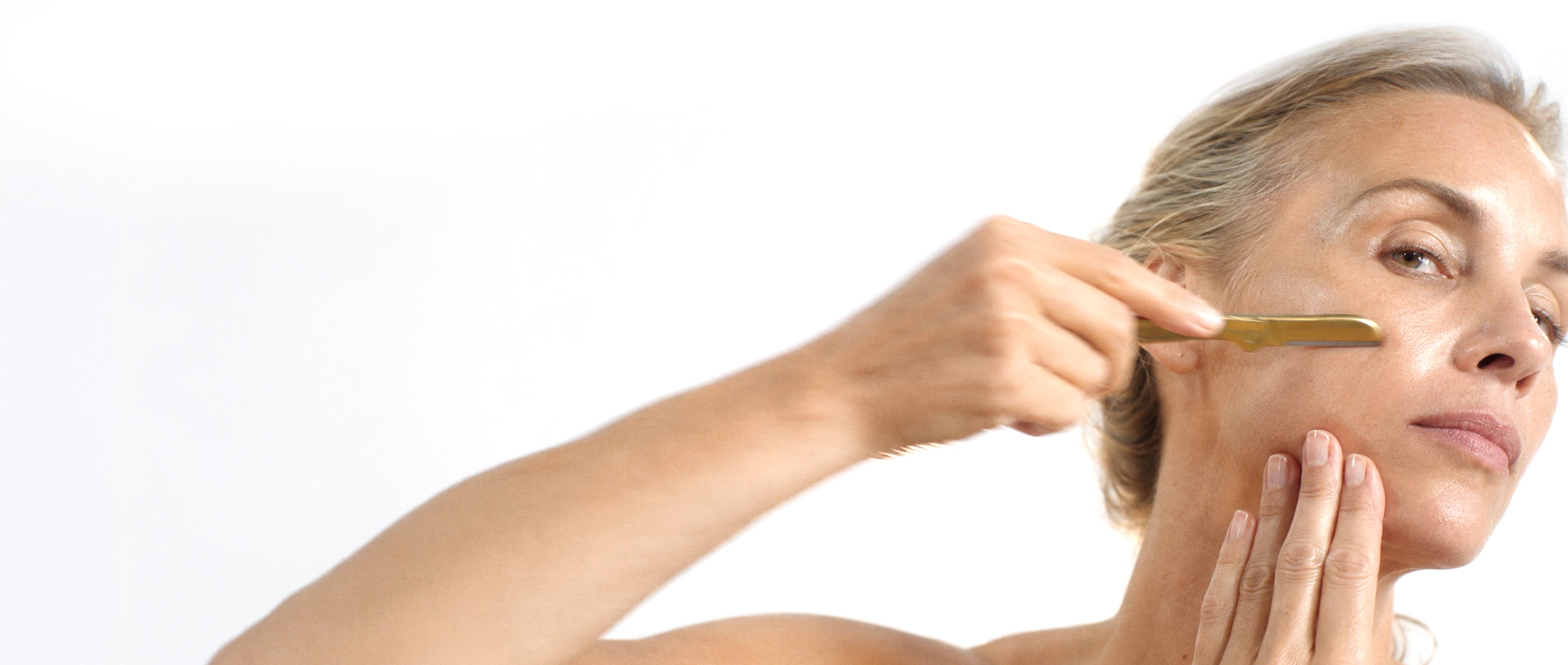
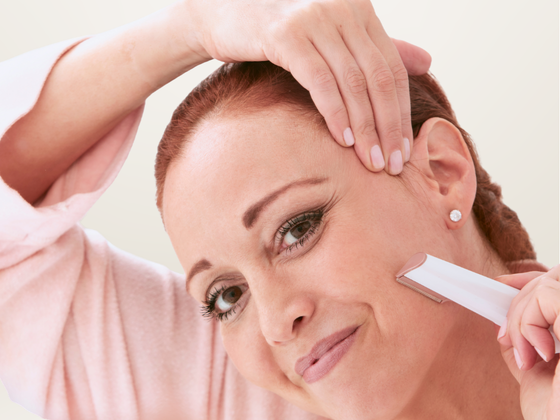
A dermaplaning blade is held at a shallow angle and glides along the skin in light, gentle strokes. This process does not cut the skin or alter hair growth. Instead, it instantly lifts away the debris that can make your skin look dull or uneven.
Professionally, dermaplaning is performed by clinicians, but at-home dermaplaning tools designed for facial skin allow safe and effective DIY treatments.
How Does Dermaplaning Work?
Dermaplaning targets the stratum corneum, the outermost layer of skin comprised of dead cells that build up and block light reflection. This can make the face appear lacklustre and textured.
By gently removing this layer, dermaplaning for face:
- Smooths the skin’s surface
- Creates a glowing, radiant complexion
- Boosts skincare product absorption
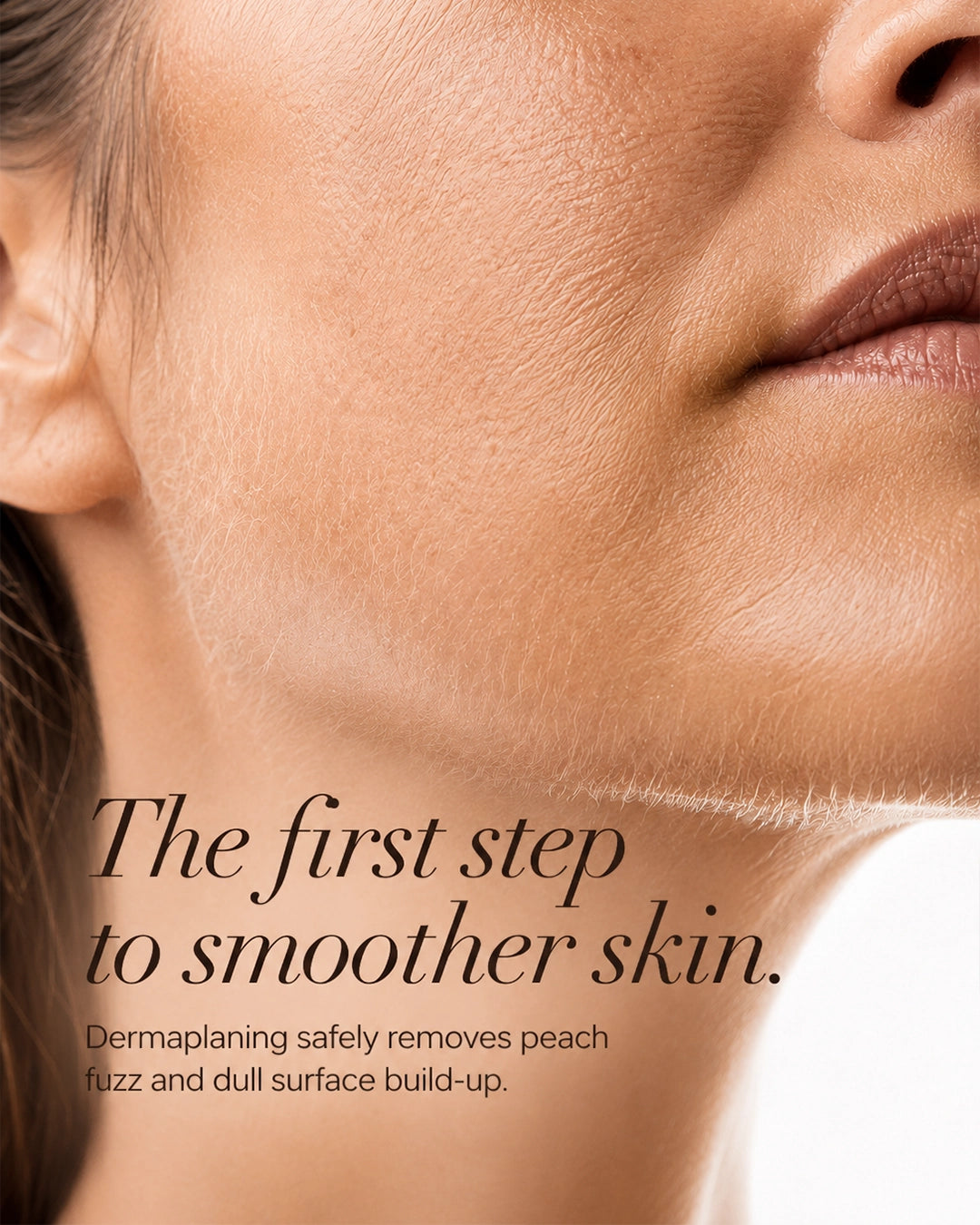
Dermaplaning also removes peach fuzz, which can trap excess oil, dirt, and makeup residue, contributing to breakouts and a less polished makeup finish.
What Is Peach Fuzz?
Peach fuzz, or vellus hair, refers to the fine, soft facial hair most people have. It is usually light in colour and barely noticeable.
While peach fuzz is natural, for some:
- It makes makeup look uneven
- Foundation clings more to the skin
- Skin looks dull under certain lighting conditions
Dermaplaning safely removes facial hair at the surface for a flawless, glowing complexion.
Key Benefits of Dermaplaning
Adding dermaplaning to your skincare routine brings immediate and long-term results:
1. Smoother Skin Texture
Exfoliating dead skin cells reduces roughness and leaves your face feeling silky smooth.
2. Brighter, Radiant Complexion
Removing the dull surface layer allows fresh, vibrant skin to shine through.
3. Enhanced Skincare Absorption
Moisturizers, serums, and treatments absorb more effectively into freshly exfoliated skin.
4. Even Makeup Application
Makeup like foundation and concealer look seamless with less emphasis on pores and texture.
5. Gentle, Non-Irritating Exfoliation
Dermaplaning is a safe, non-chemical alternative to scrubs or peels and great for people with sensitive skin.
Does Dermaplaning Remove Hair Permanently?
No, dermaplaning facial hair and peach fuzz only removes hair at the surface. It does not affect the hair follicle, so thickness, growth rate, and colour remain the same.
The notion that dermaplaning makes hair grow back thicker is a myth—hair regrows with a blunt tip, making it feel different but not actually thicker.
Dermaplaning vs. Shaving: What’s the Difference?
While both dermaplaning and shaving remove surface hair, their approach and benefits differ:
- Dermaplaning uses a special facial blade designed for gentle exfoliation and hair removal in one step, enhancing skin tone and texture.
- Shaving typical body razors may irritate delicate facial skin and do not exfoliate.
For best results and to avoid irritation, never use a body razor for dermaplaning.
Who Is Dermaplaning Suitable For?
Dermaplaning is ideal for most skin types, especially if you have:
- Normal to dry skin
- Combination skin
- Dullness, roughness, or uneven skin tone
It’s also great for anyone wanting smoother makeup application or improved skincare performance.
Who Should Avoid Dermaplaning?
Dermaplaning may not be suitable for you if you have:
- Active acne or inflamed breakouts
- Open wounds, cuts, or broken skin
- Skin conditions like eczema or rosacea flare-ups
If unsure, consult a dermatologist before starting dermaplaning.
How Often Should You Dermaplane?
The best dermaplaning frequency is every three to four weeks. This allows skin time to fully heal and rejuvenate. Overdoing it can cause redness and sensitivity.
Can You Do Dermaplaning at Home?
Yes, dermaplaning at home is safe if:
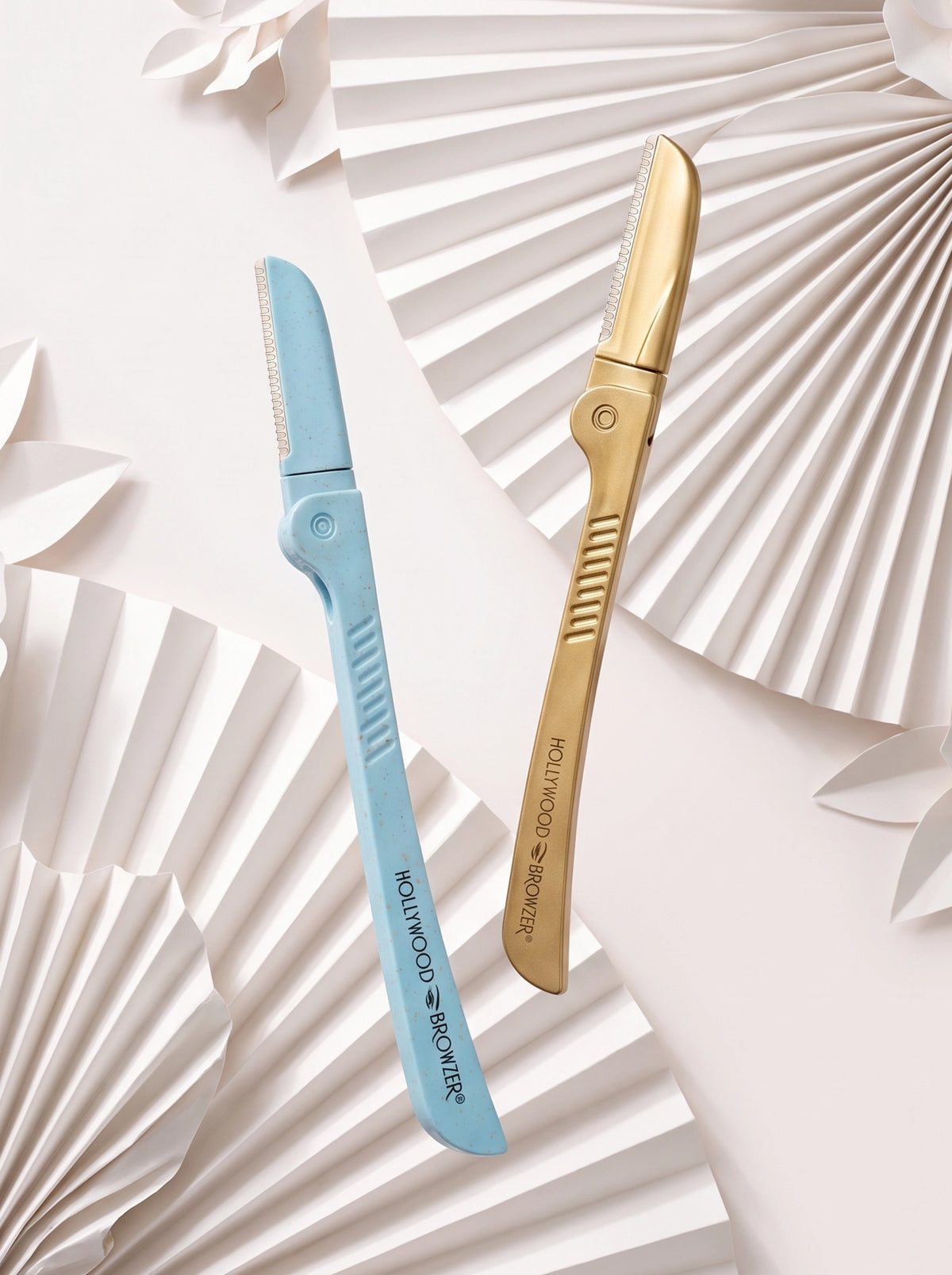
- You use a proper dermaplaning tool
- The skin is clean and prepped
- The correct technique and pressure are observed
Choose quality tools specifically designed for the face for best results.
How to Choose the Right Dermaplaning Tool
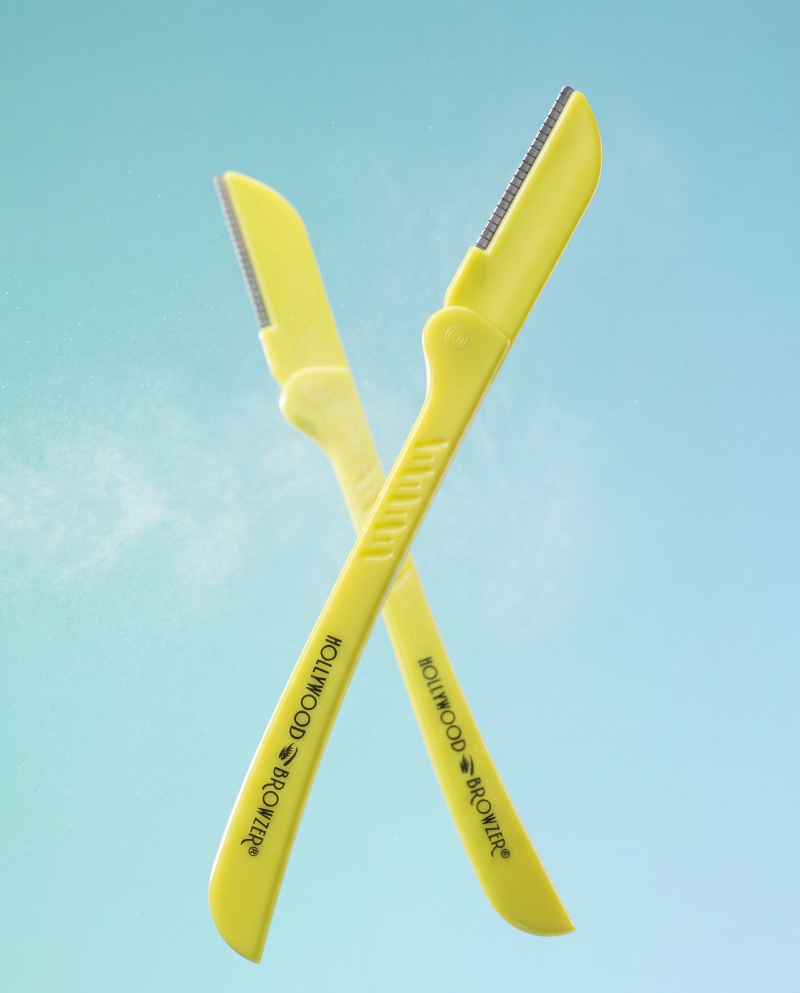
Look for a dermaplaning blade that:
- Is sharp and single-edged
- Made for facial skin (not a body razor)
- Offers a good grip for safe, controlled use
Using the right dermaplaning tool minimizes risk and maximizes your skin-smoothing benefits.
Final Thoughts: The Truth About Dermaplaning
Dermaplaning is more than a skincare trend, it's a trusted, professional-grade technique for achieving smoother texture, brighter complexion, and better results from your favourite skincare products, all without changing the natural growth of your facial hair.
With the right knowledge and tools, dermaplaning at home can transform your skincare routine and help unlock your best skin yet.
Explore our full range of dermaplaning tools here.