
If you have PCOS, you already know the drill. You've Googled, you've tried things, you've felt frustrated, and you've probably read at least one article that left you more confused than when you started. This one's going to be different.
We're going to talk honestly about facial hair, dermaplaning, and what actually works; no scaremongering, no vague disclaimers, no "consult a professional" as a cop-out. Just the real picture, so you can make the right choice for your skin.
Why PCOS Causes Facial Hair in the First Place
PCOS (polycystic ovary syndrome) is a hormonal condition that affects roughly one in ten women of reproductive age. It's a chronic condition that can cause hormonal imbalances, irregular periods, and a range of other symptoms, one of the most visible being excess facial hair, a condition known as hirsutism.
The reason? PCOS causes elevated levels of androgens (male hormones like testosterone). Excess testosterone can lead to unwanted hair on the face, which can be related to PCOS or other hormonal imbalances.
Hirsutism affects up to 80% of women with PCOS, so if you're dealing with this, you are very much not alone. The hair that grows tends to be darker and coarser than typical peach fuzz, and that distinction matters when it comes to choosing the right removal method.
The Big Question: Can You Dermaplane if You Have PCOS?
Here's where the internet gets confusing. Some sources say yes, some say no. The truth is: it depends on what kind of facial hair you're dealing with, and how you're doing it.
Dermaplaning works well to soften the skin and remove hair at the surface but does not remove hair follicles. In short, it will not stimulate hair growth and will not worsen your condition. Often, people with PCOS have increased facial hair, and dermaplaning does work well for them as it removes the bothersome excess hair without any pain or discomfort.
That's worth repeating: dermaplaning does not make hair grow back thicker or faster. It does not make hair grow back thicker because it cuts hair at the skin's surface and leaves the papilla intact. The papilla is the part of the follicle responsible for hair growth, and dermaplaning never touches it.
Where you do need to be realistic: dermaplaning is a surface-level treatment. It's a surface-level technique that doesn't affect the hair follicle, so while it won't cause hair to grow back thicker, it also won't stop regrowth. If your PCOS is causing thick, dark terminal hair on your chin or jaw, dermaplaning can remove it cleanly and comfortably, but it won't slow it down. For that, you need to address the hormones underneath. We recommend the MyOva Hormonal Health Supplements. Formulated with myo-inositol, their B-type vitamins can be taken to balance hormones and regulate menstrual health. They also run thriving online community for Cysters to share their stories, experiences, and support one another.
Learn more about the MyOva PCOS Collective now.
What Dermaplaning Actually Does for PCOS Skin
Facial hair is only part of the PCOS skin story. Many women with PCOS also deal with:
- Uneven skin texture
- Dullness or hyperpigmentation
- Makeup that won't sit smoothly
- Skincare products that feel like they're not absorbing properly
This is where dermaplaning earns its place in your routine, not just as a hair removal method, but as a skin treatment.
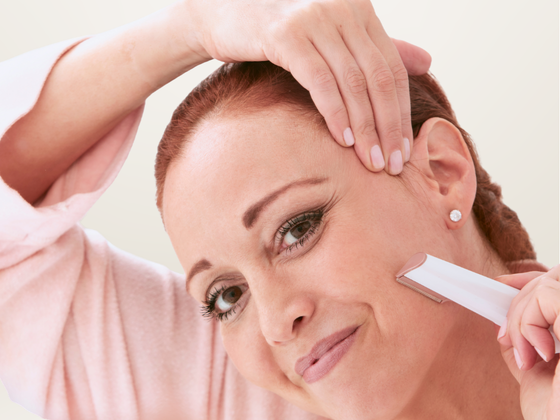
Dermaplaning tools are a convenient, dual-purpose option for at-home facial care. They not only remove fine hair but also exfoliate the skin, making them particularly helpful for women managing PCOS-related hirsutism. This simple and accessible method helps address excessive hair growth caused by elevated androgen levels.
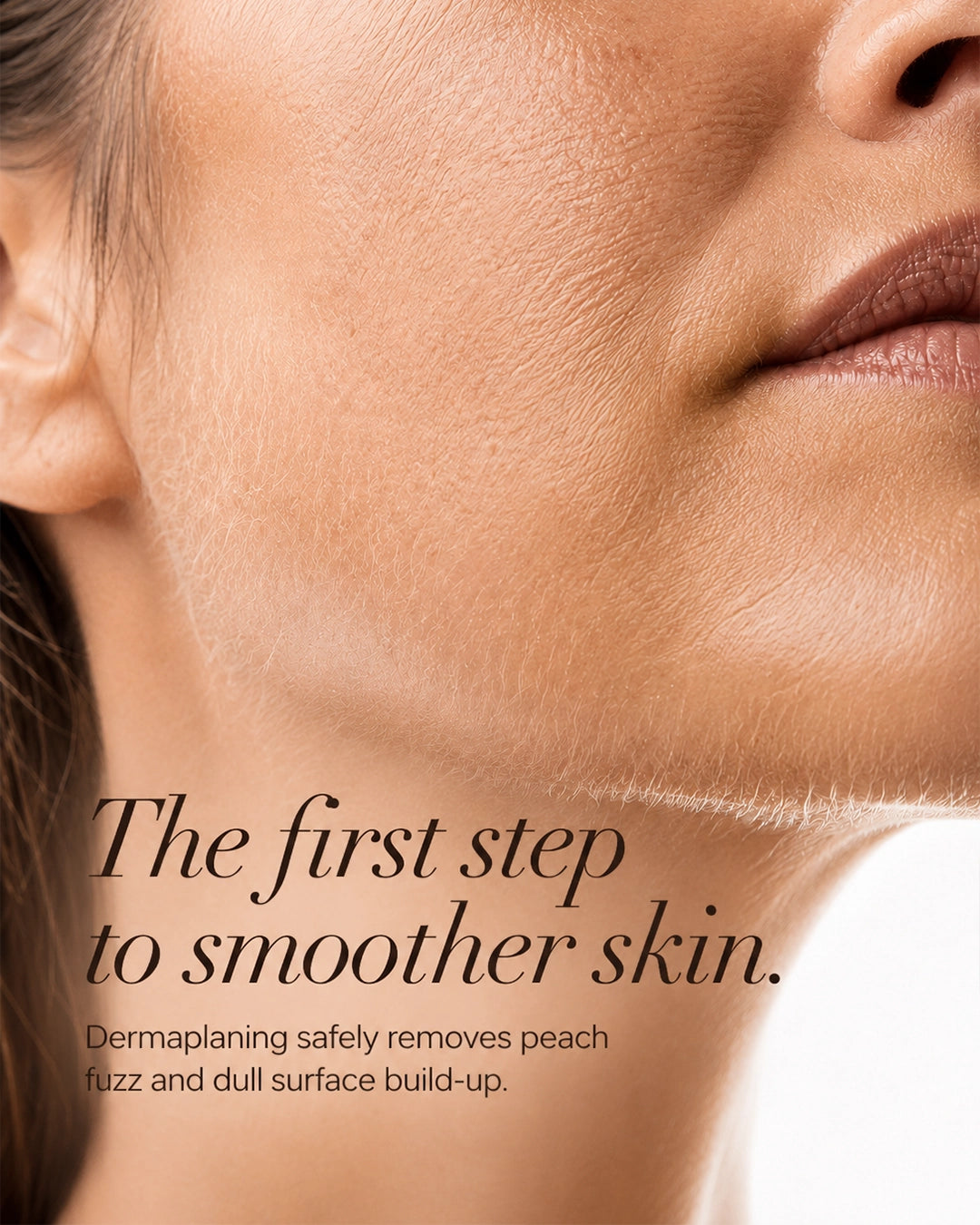
The exfoliation element matters more than people realise. Taking off the top layer of dead skin cells helps skincare products absorb better and procedures work better. It also tricks the skin into thinking it's wounded and boosts collagen production, helping decrease fine lines and wrinkles.
In short: you're not just removing hair. You're resetting the surface of your skin so everything else you layer on top, from moisturiser to serums and SPF to foundation, works harder.
How to Dermaplane Safely with PCOS
The key to getting this right is technique and regularity. Here's what to keep in mind:
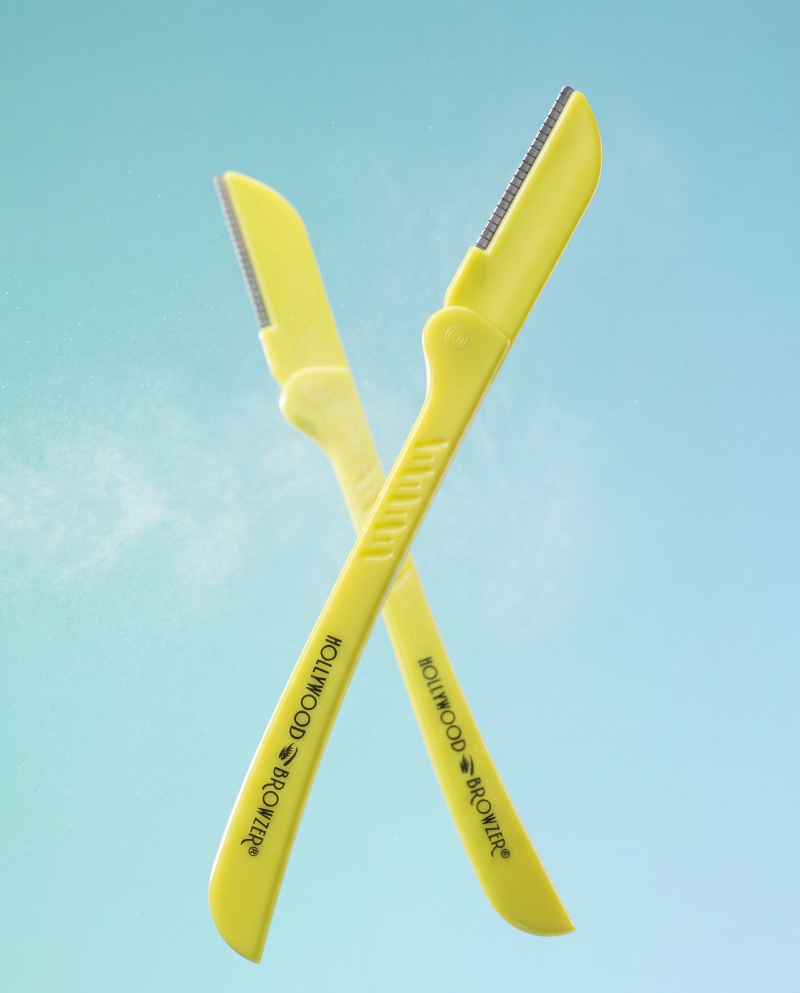
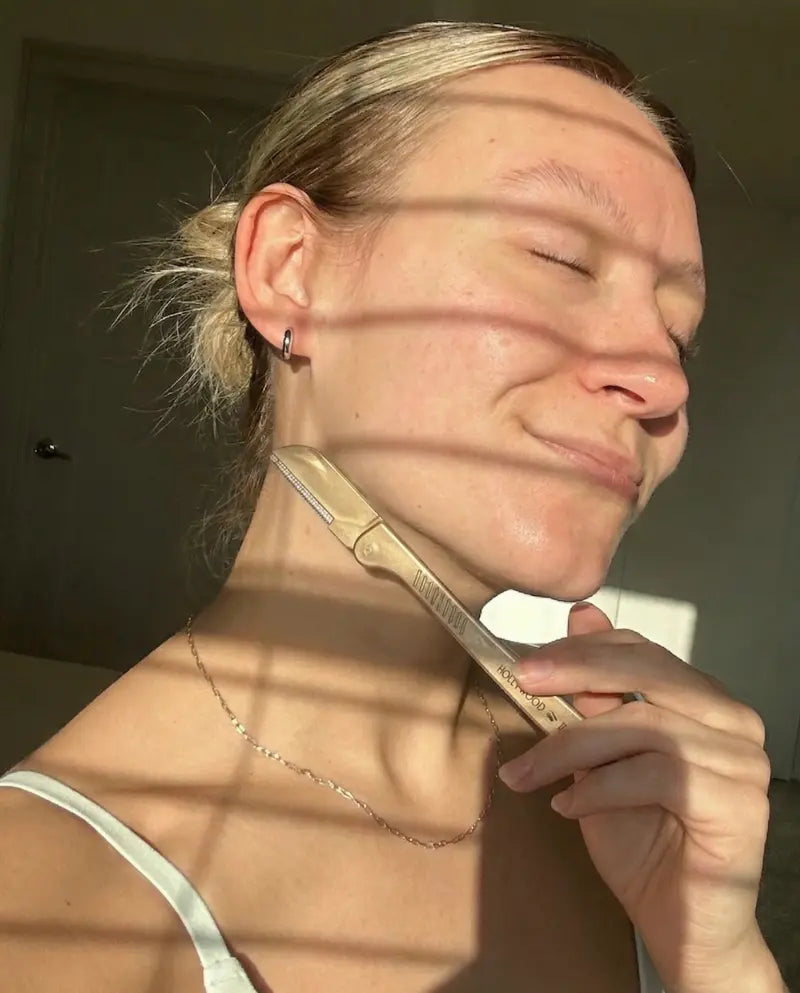
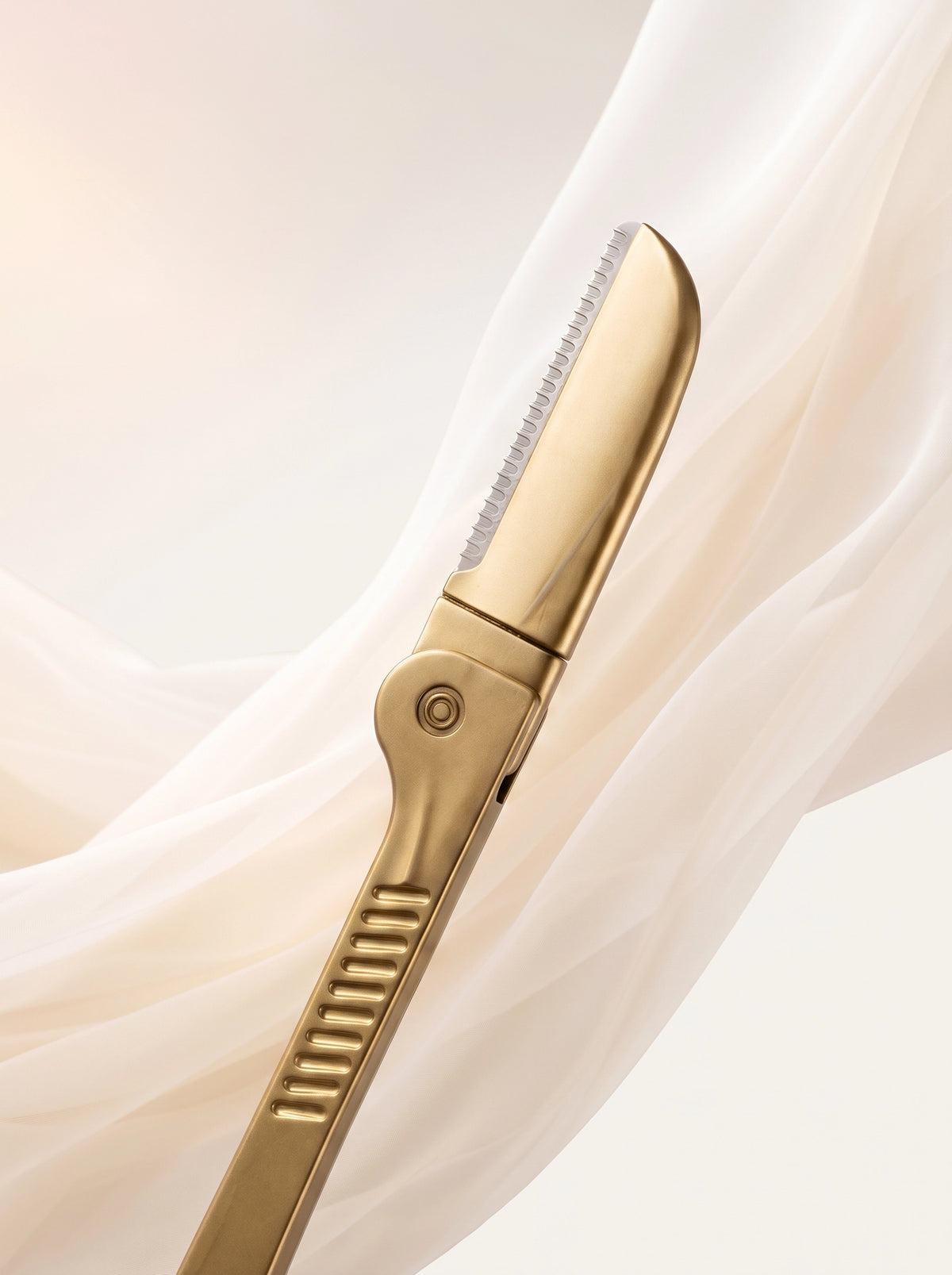
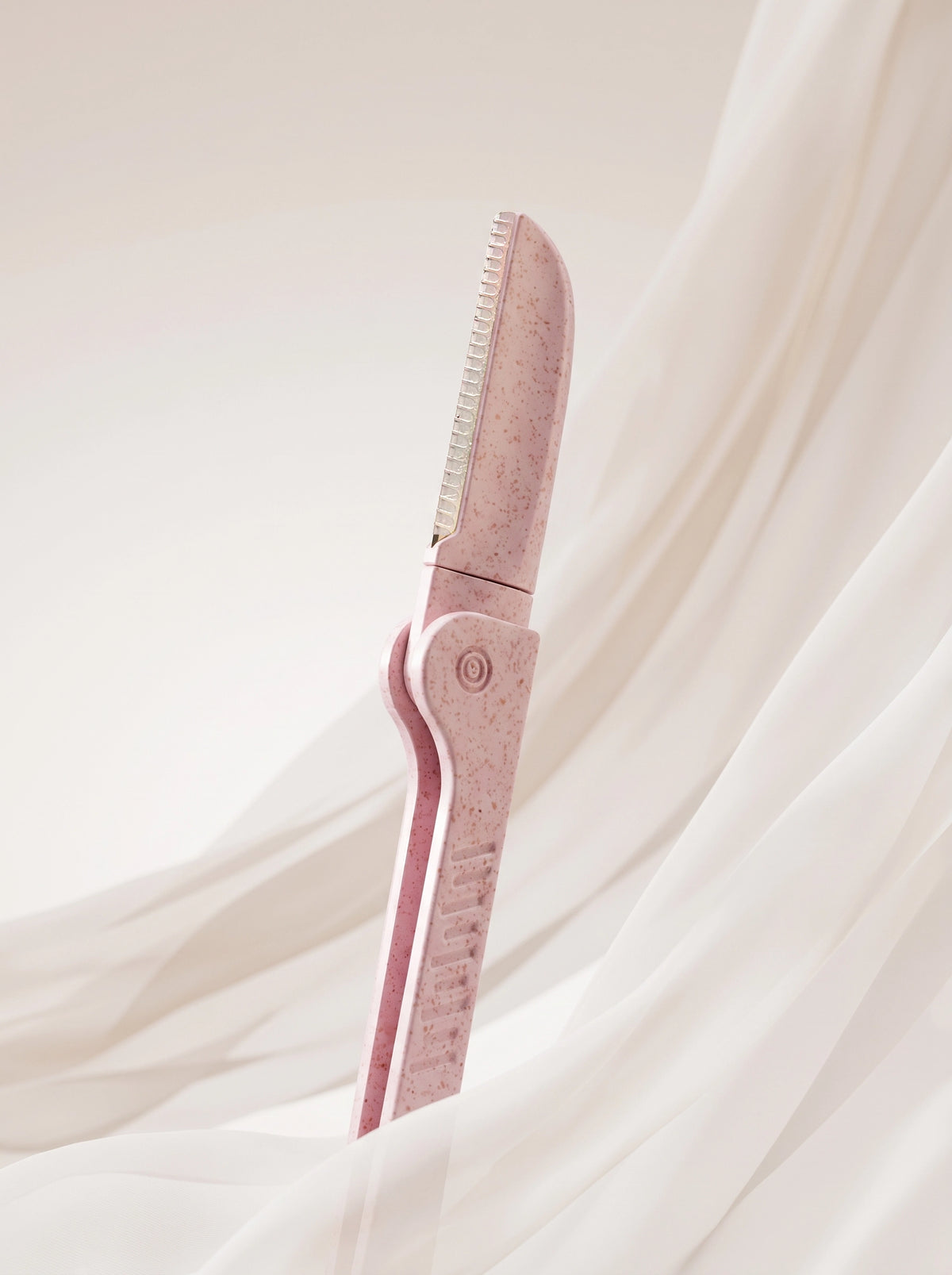
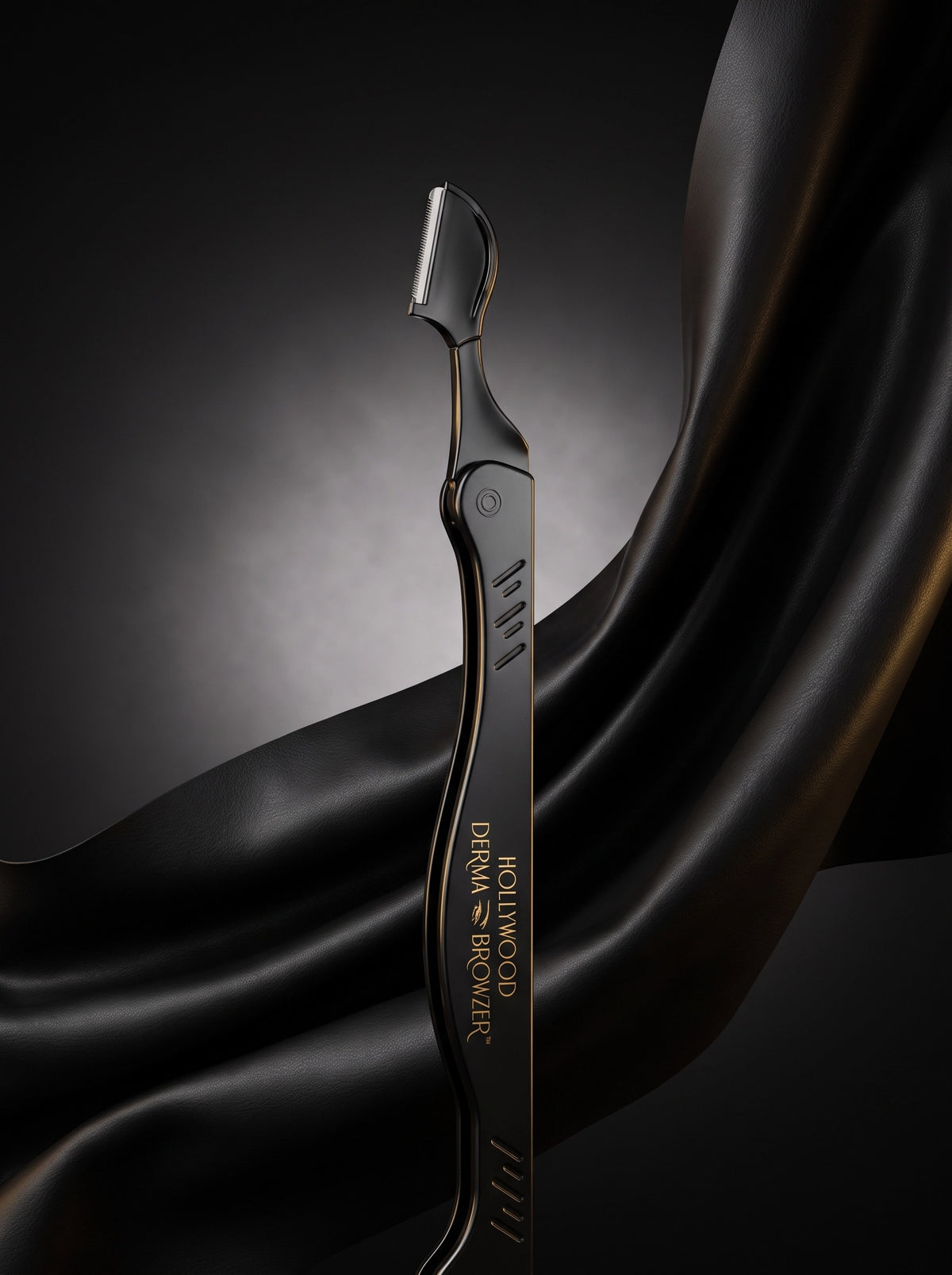
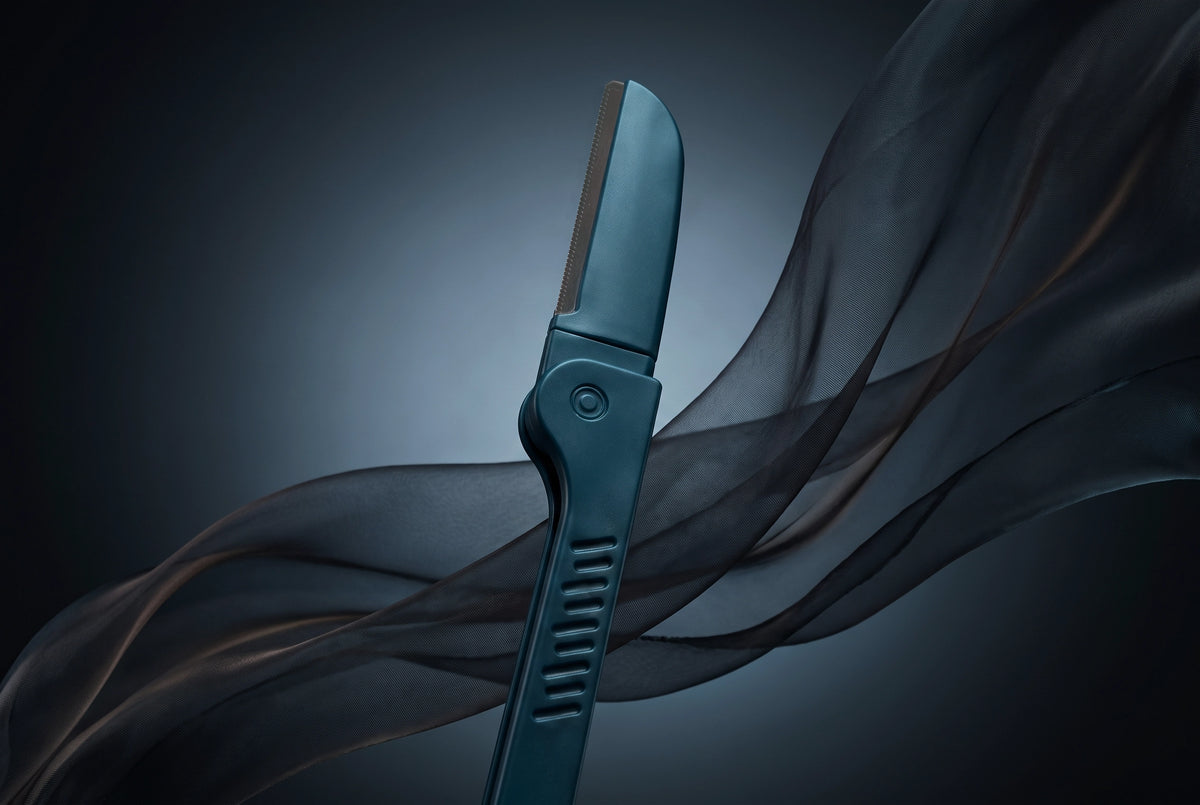
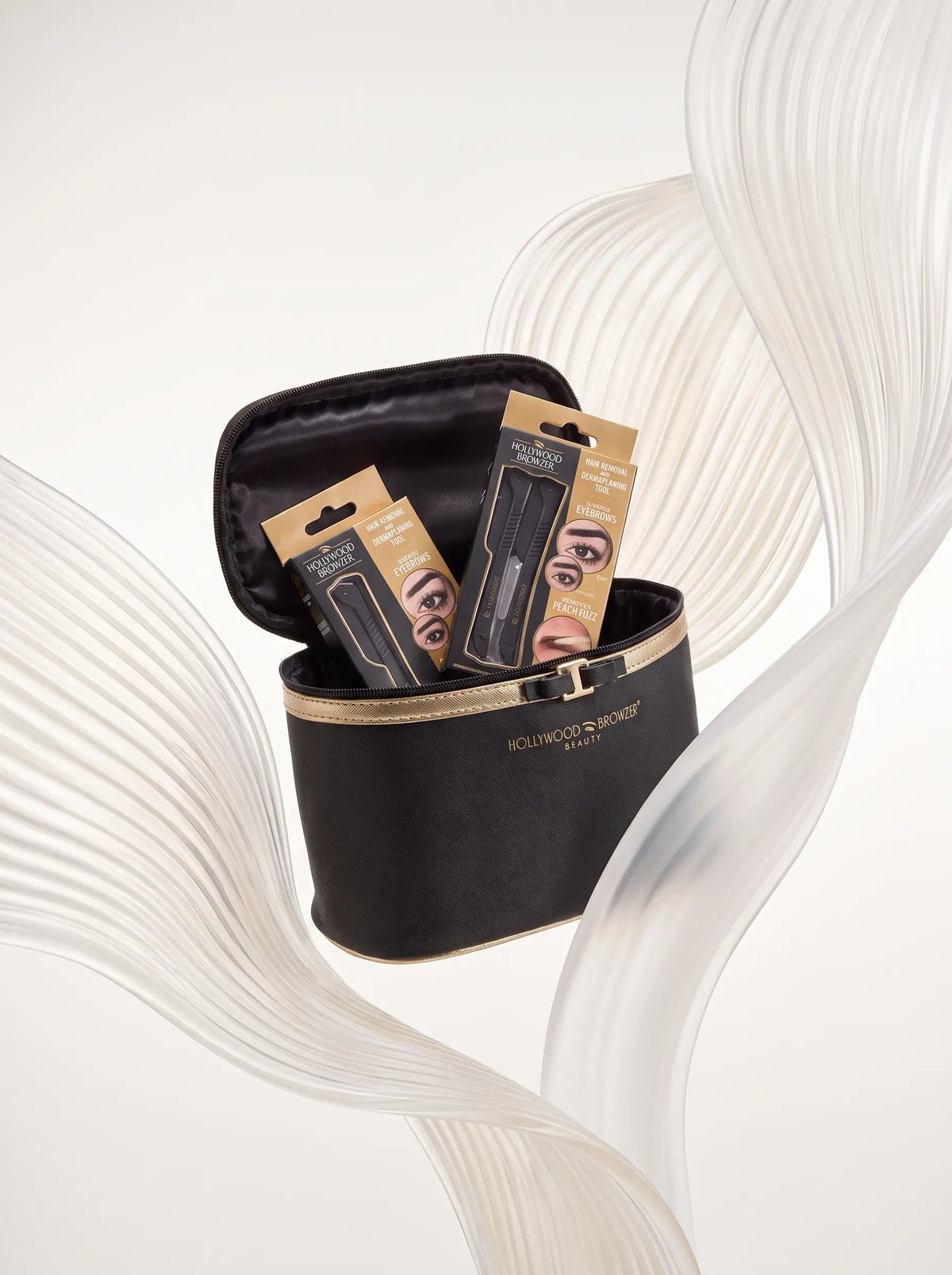
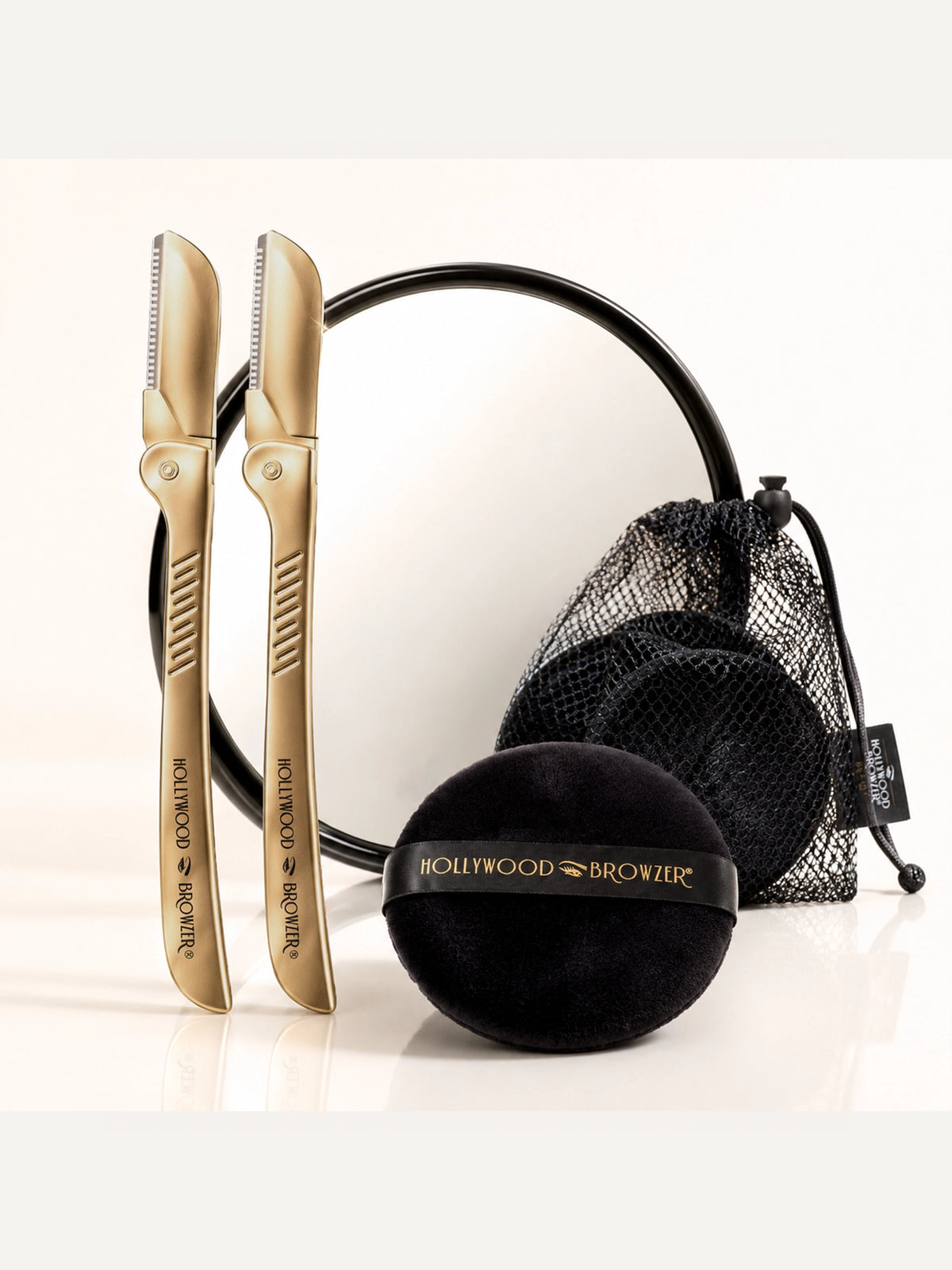
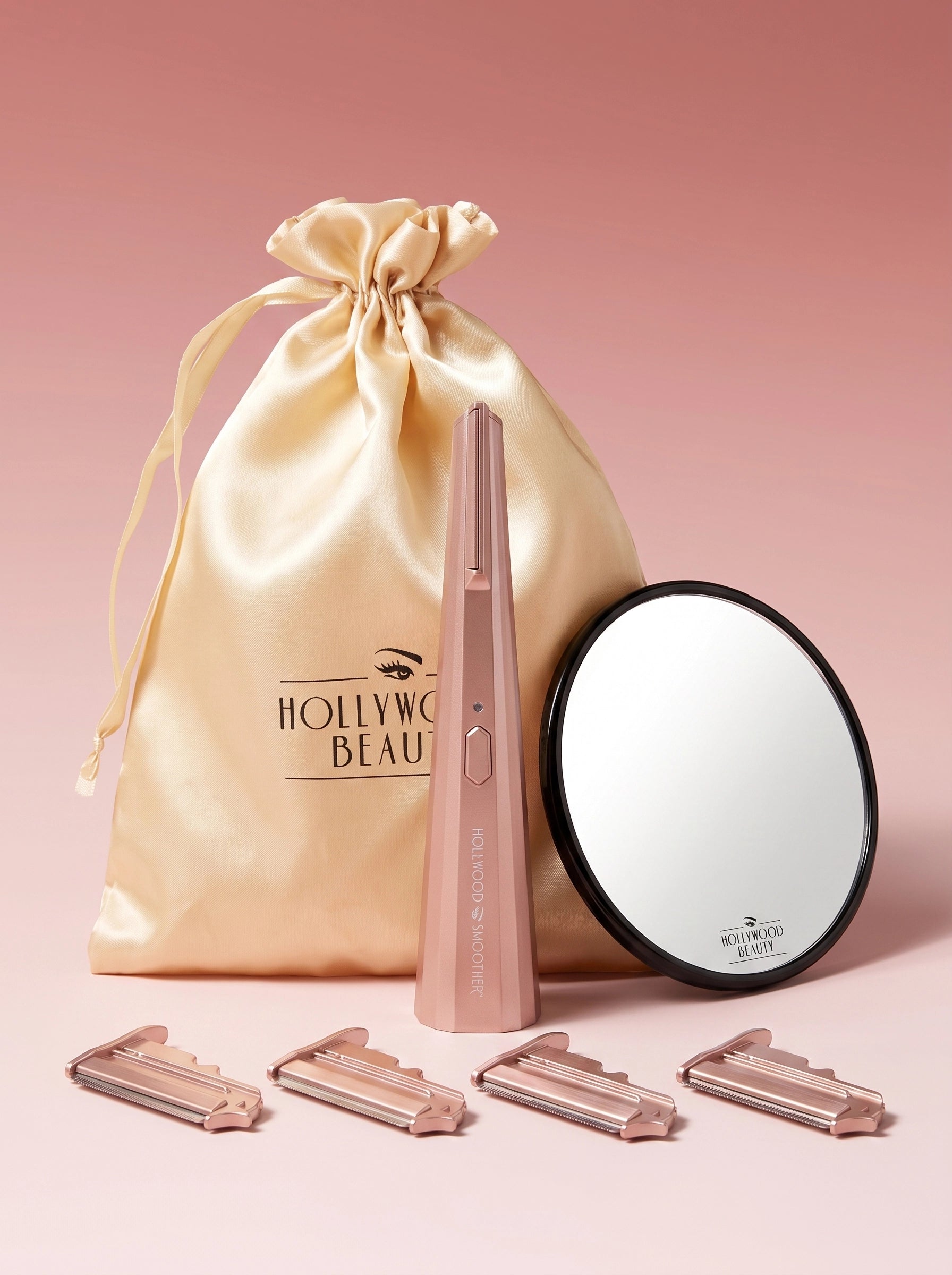
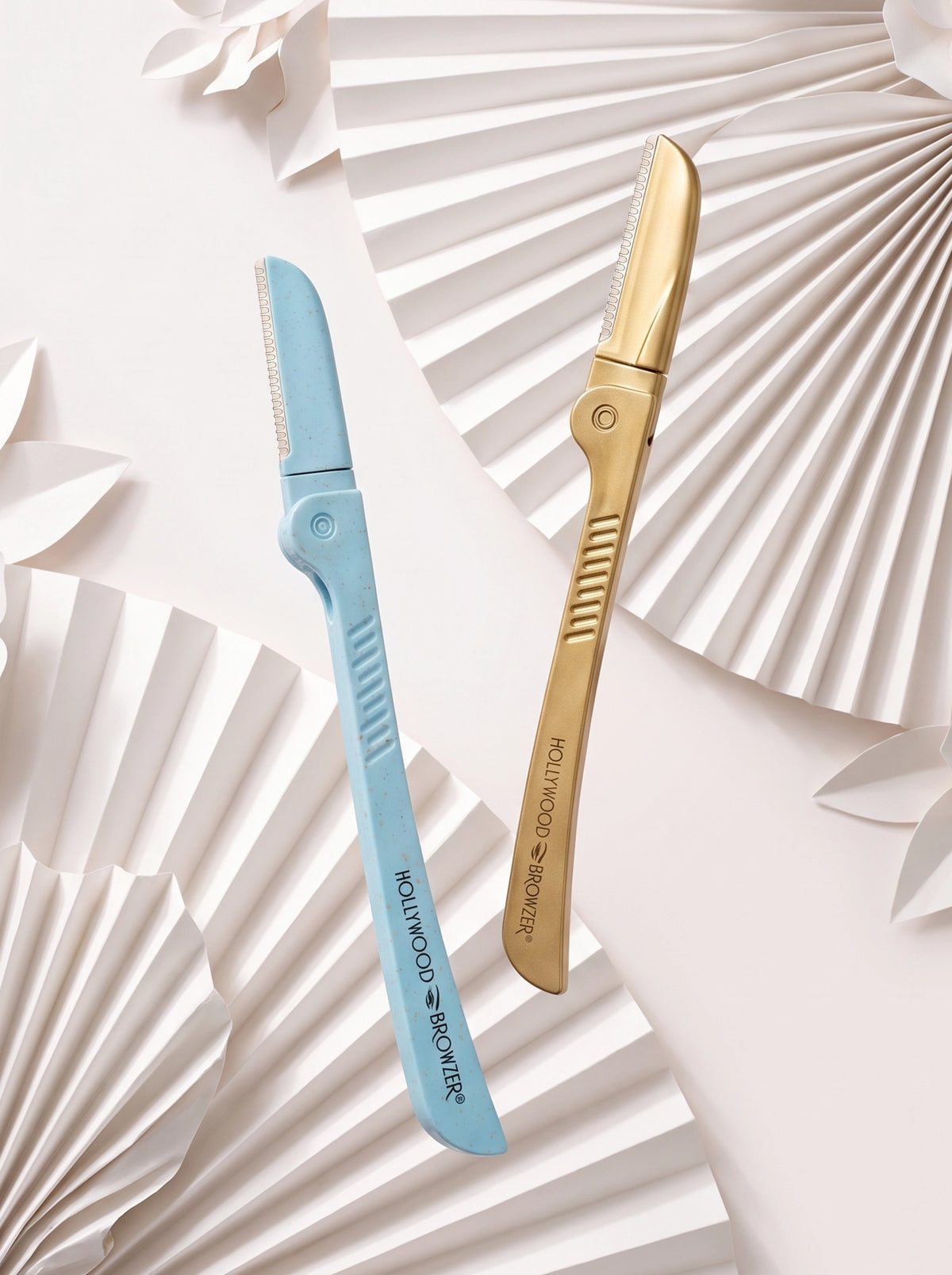
1. Use the right tool Not all dermaplaning tools are created equal. At-home devices like the Hollywood Browzer are designed specifically for safe, controlled facial dermaplaning, with an angled blade that removes hair and dead skin cells without the risk of nicks or irritation that comes from improvising with a regular razor.
2. Work with your skin, not against it If you're having a hormonal flare, such as breakouts along the jawline or inflamed skin, hold off. Dermaplaning on active spots can spread bacteria and make things worse. Wait until your skin is calm, then go in.
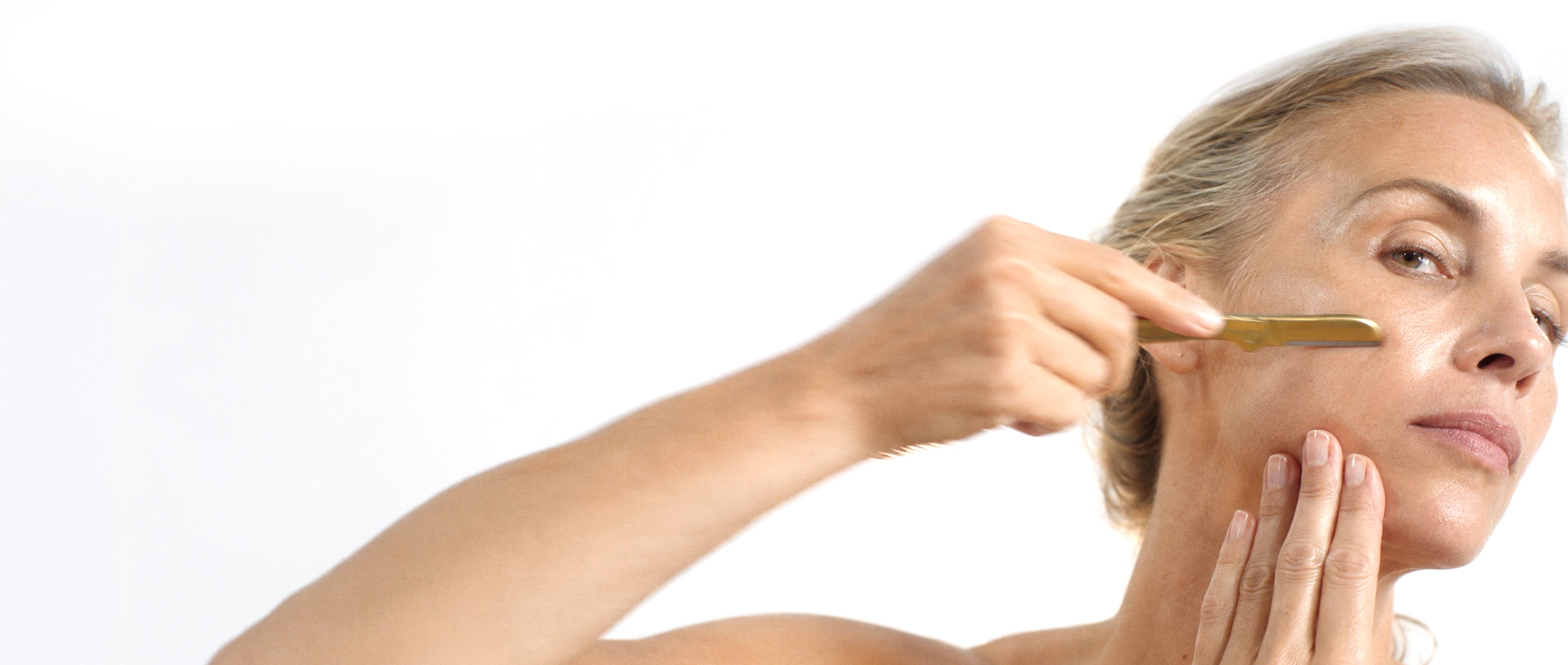
3. Keep it clean Always start on freshly cleansed, completely dry skin. Wet skin increases the risk of irritation and reduces control. Use light, short strokes at a 45-degree angle, moving in the direction of hair growth.
4. Don't overdo it Limit dermaplaning to once or twice per month. Your skin needs time to recover and regenerate between sessions. More is not more in this case.
5. Follow up with the good stuff With dead skin cells and peach fuzz out of the way, topical serums and products are better able to do their work because they can penetrate the skin more easily. Apply a soothing, hydrating serum afterwards, as this is when your skin will absorb it most effectively. Always finish with SPF, especially if you're stepping outside.
Read our definitive guide to dermaplaning safely at home here.
What Dermaplaning Can't Do (and What to Use Alongside It)
Being honest here matters. Dermaplaning is brilliant for smooth skin and regular hair removal, but it isn't a standalone PCOS management solution.
If your facial hair is being driven by high androgen levels, removing it at the surface is a maintenance strategy, not a cure. For those dealing with PCOS-related hirsutism, combining hormonal treatments with hair removal methods often delivers the best results.
That means working with your GP or endocrinologist on the hormonal side, whether that's medication, diet, or lifestyle changes, while using dermaplaning to manage the visible hair in between. Think of it as your reliable, low-fuss, in-between treatment. The one you reach for every few weeks to reset your skin and feel like yourself again.
Comparing Your Options
There's no shortage of hair removal methods out there. Here's how they stack up for PCOS:
| Method | Removes hair | Exfoliates | Pain level | Frequency | PCOS-safe? |
|---|---|---|---|---|---|
| Dermaplaning | ✓ | ✓ | None | Every 2–4 weeks | ✓ |
| Waxing | ✓ | Partial | Medium | Every 3–6 weeks | ✓ |
| Threading | ✓ | ✗ | Low–medium | Every 2–4 weeks | ✓ |
| Laser | ✓ (long-term) | ✗ | Low–medium | Multiple sessions | Variable* |
| Plucking | ✓ | ✗ | Low-medium | As needed | ✓ |
*Laser hair removal works best on dark hair against fair skin, and results are most effective when the underlying hormone imbalance has been addressed. It can also be expensive and requires multiple sessions.
Dermaplaning sits in a sweet spot: it's painless, affordable, quick, and gives you smooth skin and exfoliation in the same step. For most women with PCOS, it becomes a core part of their routine rather than an occasional treatment.
The Bottom Line
Managing PCOS facial hair takes patience and a toolkit, not a single solution. Dermaplaning won't fix the hormones, but it will give you clean, smooth skin, better product absorption, and one less thing to stress about. Done properly, it's one of the safest, most effective tools you can use at home.
The Hollywood Browzer is designed for exactly this. Precise, controlled, gentle, and effective on everything from fine peach fuzz to the darker hair that PCOS can bring.
Ready to make it part of your routine? Shop the Hollywood Browzer range now.