

You can remove peach fuzz with dermaplaning, a face razor, waxing, threading, hair removal cream, an epilator or electrolysis. For most people, dermaplaning is the easiest at-home option: it's quick, painless when done properly, and removes dead skin at the same time. Laser rarely works on fine, light fuzz, and electrolysis is the only permanent route.
First things first: peach fuzz is completely normal, and there's no rule that says it has to go. But if it catches the light, makes your foundation sit on top of your skin, or just bugs you, you've got options. Here's every one of them, side by side, so you can pick what suits your skin, your time and your pain threshold.
The facts in 20 seconds
- Peach fuzz is fine, short, usually light hair called vellus hair. It covers most of the face and body.
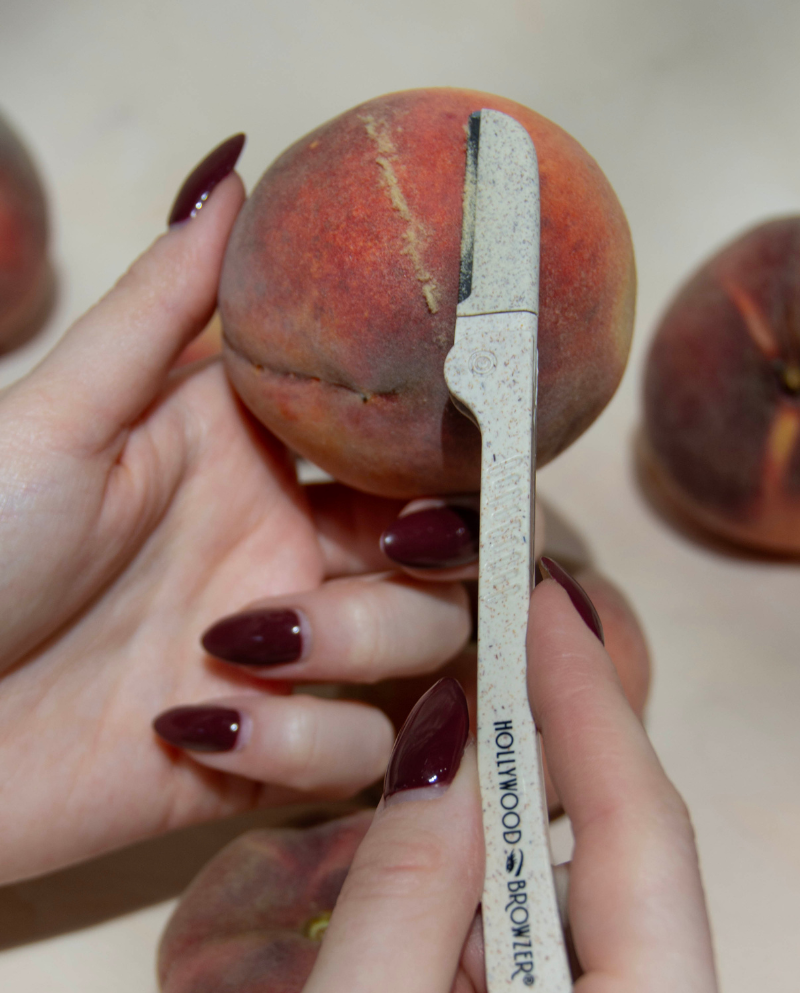
- Dermaplaning removes peach fuzz and dead skin cells from the surface of the skin with a fine blade held at about a 45° angle.
- Waxing, threading and epilating pull hair from the root, so results last longer, but they sting.
- Laser targets dark pigment, so it usually works poorly on fine, light peach fuzz.
- Electrolysis is the only method that removes hair permanently, one follicle at a time.
- No removal method makes peach fuzz grow back thicker or darker.
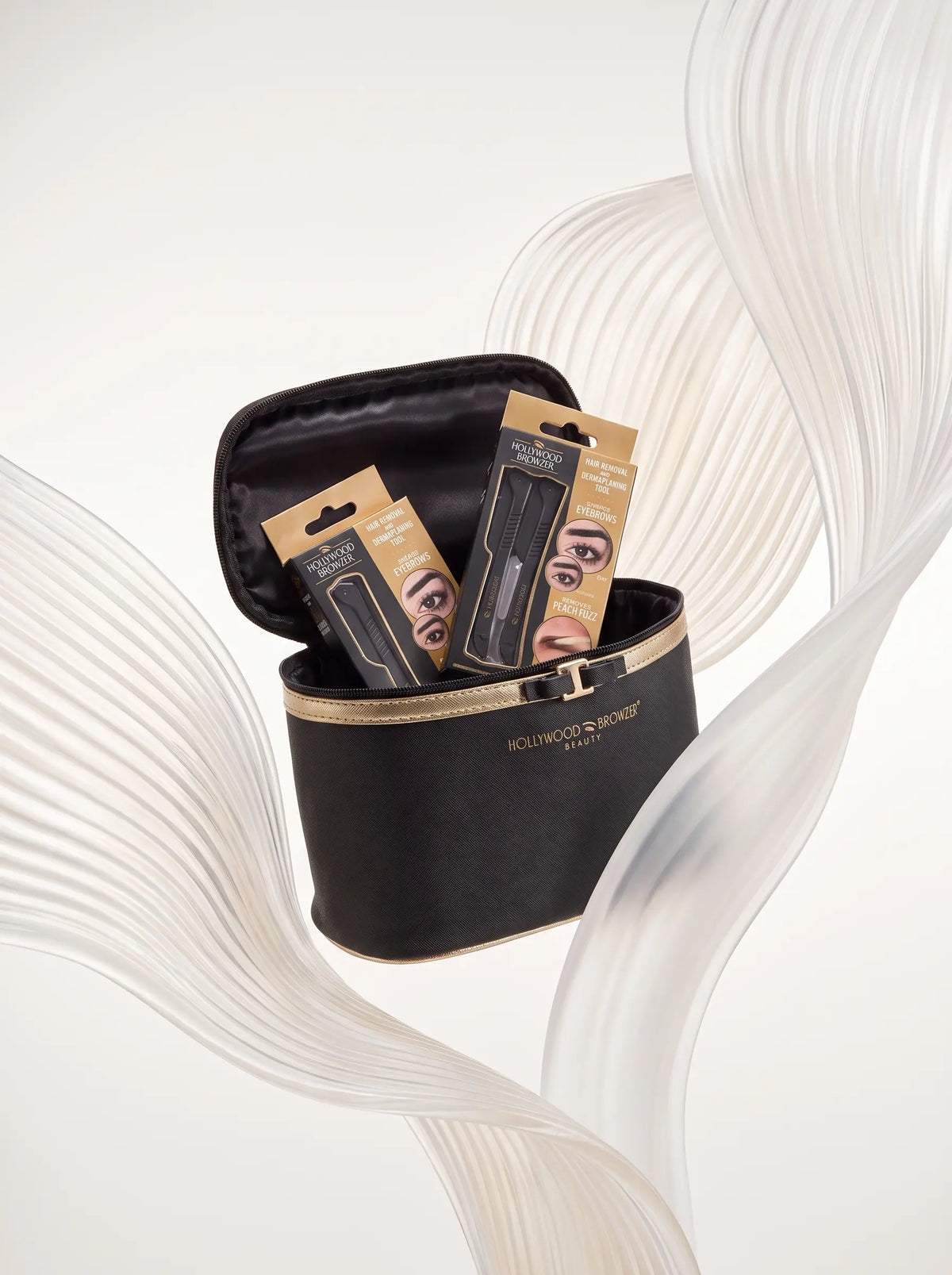
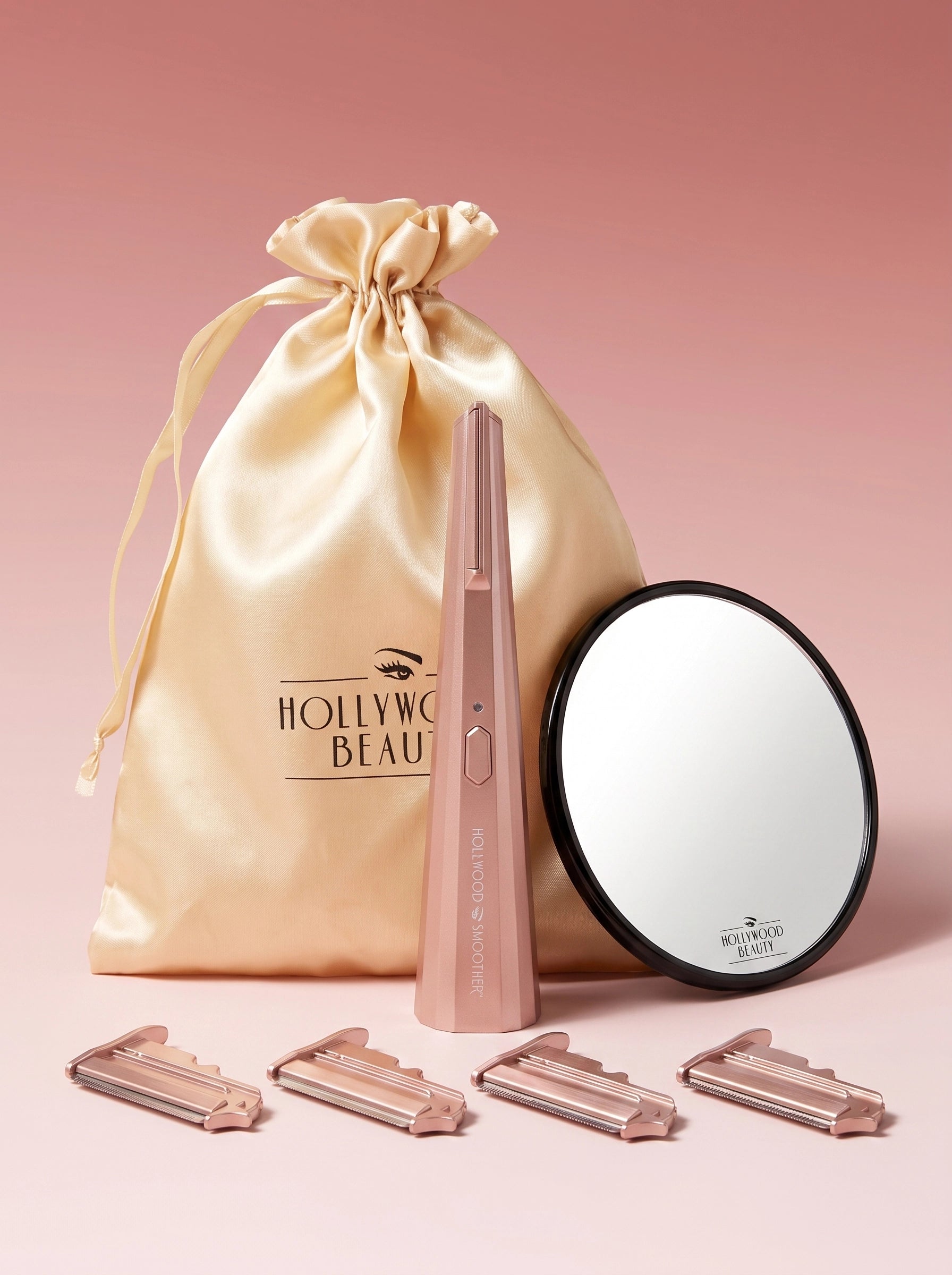
Shop the Hollywood Smooth Skin Kit → The ideal place to start your at home dermaplaning routine with a 30-day money-back guarantee.
What is peach fuzz, and why do we have it?
Peach fuzz is vellus hair: the fine, soft, usually light hair that covers most of your face and body. According to Cleveland Clinic, it helps regulate body temperature and protect the skin. How much you have, and how visible it is, comes down to your genes, age and hormones. Some people simply have more of it, or darker fuzz that shows up against their skin tone.
Every way to remove peach fuzz, compared
| Method | How long it lasts | How it feels and who it suits |
|---|---|---|
| Dermaplaning | Until it grows back, usually a few weeks | Painless when done properly; removes dead skin too |
| Face razor | Until it grows back | Painless; quick touch-ups and brows |
| Waxing | Several weeks | Stings; coarser hair on lip or chin |
| Threading | Several weeks | Stings; brows and upper lip, usually in a salon |
| Hair removal cream | Days to a couple of weeks | Painless but can irritate; patch-test first |
| Epilator | Several weeks | Painful on the face for many people |
| Laser or IPL | Long-term reduction after a course | Dark, coarse hair; not fine peach fuzz |
| Electrolysis | Permanent | Uncomfortable; many sessions |
What's the best way to remove peach fuzz from your face?
For most people doing it at home, dermaplaning. It's the only method on the list that takes away the fuzz and exfoliates in one go, so skin feels smoother and make-up and skincare sit more evenly. Nothing gets pulled from the root, so there's no sting. The trade-off: results last until the hair grows back, so it becomes a regular part of your routine rather than a one-off.
Choosing a tool? Our guide to the best tool for peach fuzz removal compares them, and face razor vs dermaplaning tool explains the difference.
Is it OK to remove peach fuzz from your face?
Yes. Peach fuzz is harmless, and removing it is purely a personal choice. Whatever method you use, keep your tools clean, skip broken or inflamed skin, and patch-test any cream first.
Does removing peach fuzz make it grow back thicker or darker?
No. Removing peach fuzz doesn't change the follicle, so it can't make hair thicker, darker or faster-growing. If you cut it (dermaplaning or a razor), regrowth can feel slightly bristly for a few days because the tip is blunt. Here's the full explanation: does dermaplaning make hair grow back thicker or darker?
Does laser hair removal work on peach fuzz?
Usually not. Laser works by targeting dark pigment in the hair, and peach fuzz is typically fine and light. The Bristol Laser Centre (North Bristol NHS Trust) notes that laser doesn't work on white or blonde hair, and that some lasers are less effective on fine hair. It's much better suited to dark, coarse hair, and needs a course of sessions.
Can you permanently remove peach fuzz?
Only with electrolysis, which destroys hair follicles one at a time. Clearing fine fuzz across the whole face that way takes a lot of sessions. Most people find regular dermaplaning gives them the smooth finish they're after, without the commitment.
What is the healthiest way to remove facial hair?
The gentlest method is the one that suits your skin and that you'll do properly. For fine peach fuzz, removing it at the surface (dermaplaning or a face razor) avoids pulling, heat and chemicals. For the odd coarse chin hair, plucking or threading lasts longer.
Dermaplaning vs waxing for peach fuzz: which is better?
- Dermaplaning: painless, done at home in a few minutes, and removes dead skin too. Results last until the hair grows back.
- Waxing: lasts longer because it pulls hair from the root, but it stings, can leave sensitive skin red, and you have to let the hair grow to a certain length before the next session.
For soft, fine fuzz, dermaplaning is usually the easier fit. For coarser hair on the lip or chin, some people use both.
New to dermaplaning? The Hollywood Smooth Skin Kit has what you need to get started.
How to dermaplane peach fuzz at home in 5 steps
- Cleanse and pat your face completely dry.
- Hold your skin taut with your free hand.
- Angle the blade at about 45° and use short, light, downward strokes. One pass per area is enough.
- Skip your lips, eyelids, and any spots or broken skin.
- Hydrate with a gentle serum or moisturiser, and wear SPF the next morning.
Every two to four weeks suits most people. For more detail, see our guide to dermaplaning at home.
When is facial hair worth a chat with your GP?
Fine, light peach fuzz is normal. Thick, dark hair appearing in a typically male pattern, such as on the chin, upper lip or chest, is different: it can be linked to hormones, and the NHS advises seeing a GP if excess hair is worrying you.
The bottom line
There's no single right answer. But for fine peach fuzz at home, dermaplaning gives the smoothest result with the least fuss. Fuzz off. Glow on. Make-up sits beautifully.
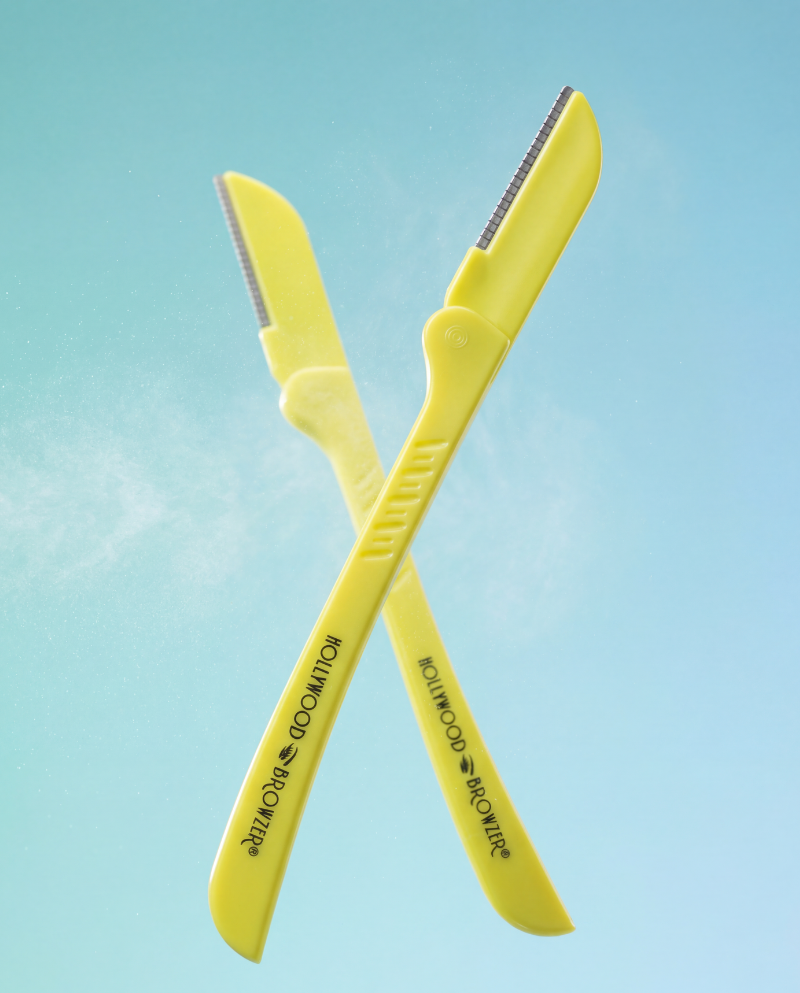
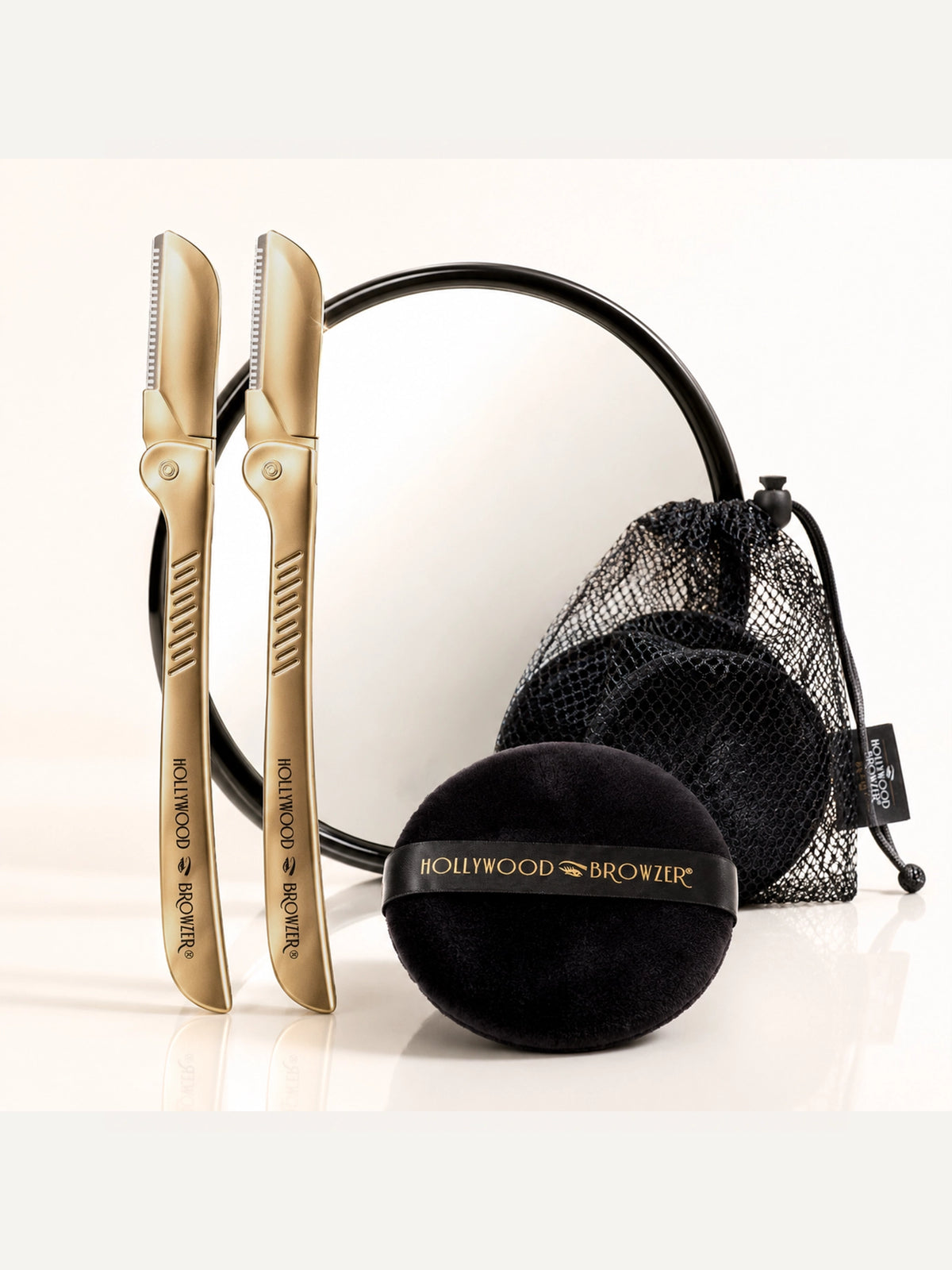
Ready to try it? The Duo Hollywood Browzer is the easiest place to start. Prefer powered? Meet the Hollywood Smoother, our sonic dermaplaner.
FAQs
Is it OK to remove peach fuzz?
Yes. Peach fuzz is harmless and removing it is a personal choice. Use a clean tool and avoid broken or inflamed skin.
What is the quickest way to remove peach fuzz at home?
Dermaplaning. It takes a few minutes, needs no heat or chemicals, and removes dead skin at the same time.
Can you permanently remove peach fuzz?
Only electrolysis removes hair permanently, one follicle at a time. Laser generally works poorly on fine, light hair.
Does removing peach fuzz make it grow back thicker?
No. Removal can't change the follicle, so hair grows back with the same thickness and colour. If it was cut, it may feel slightly bristly for a few days.
How often should you remove peach fuzz?
If you dermaplane, every two to four weeks suits most people.
Sources
- Cleveland Clinic: Vellus hair (peach fuzz)
- North Bristol NHS Trust, Bristol Laser Centre: Hair removal
- NHS: Hirsutism