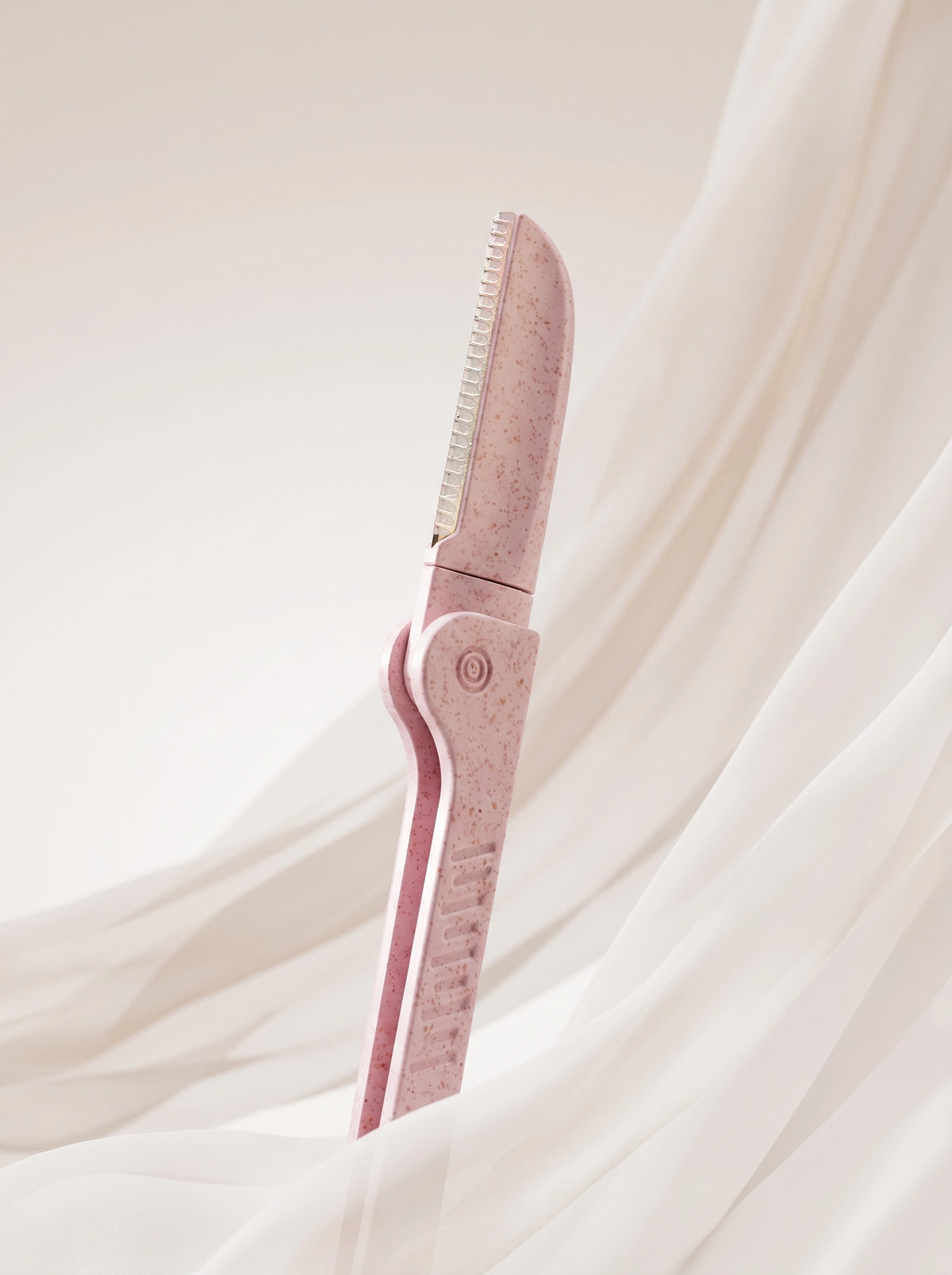
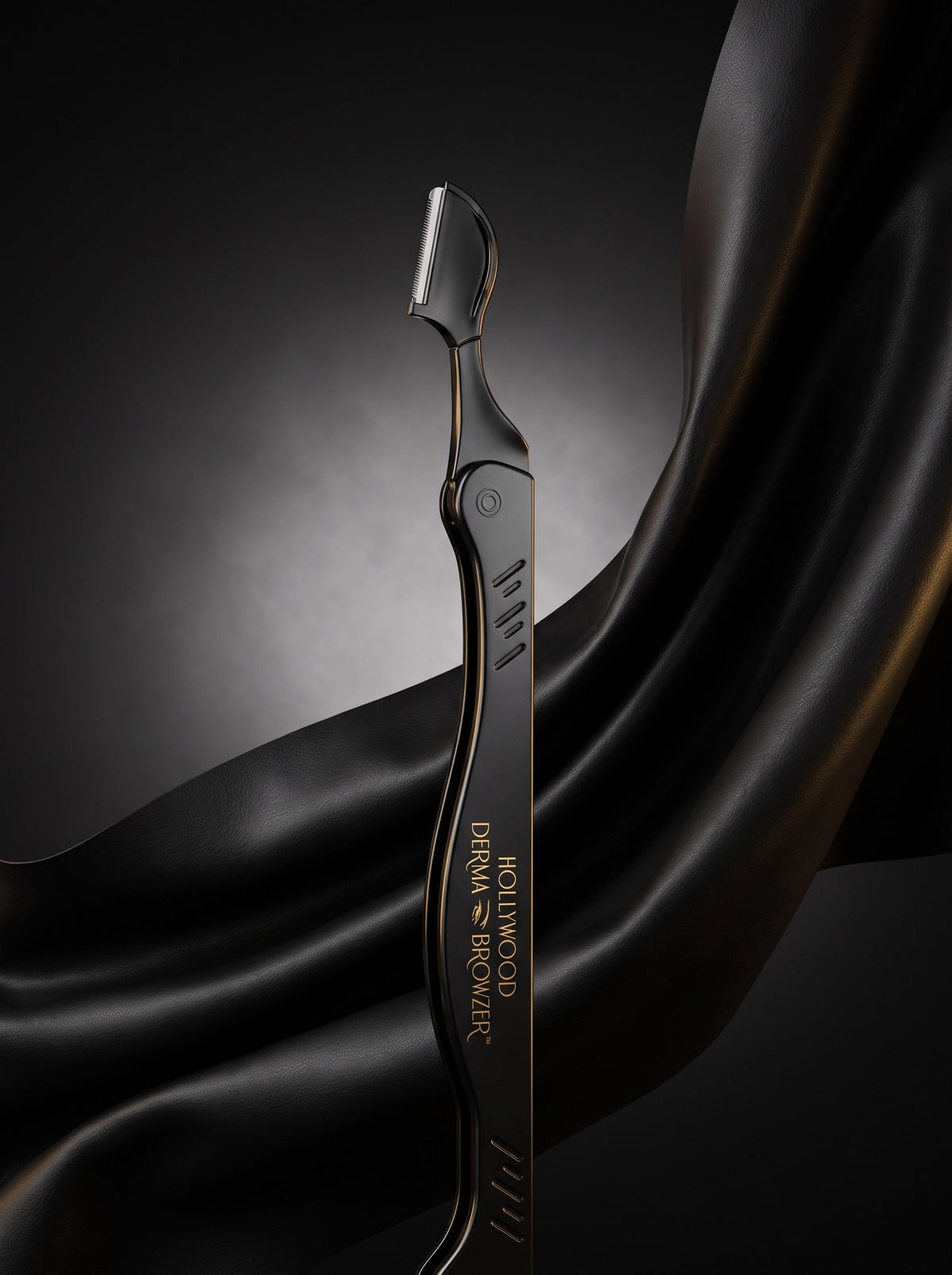
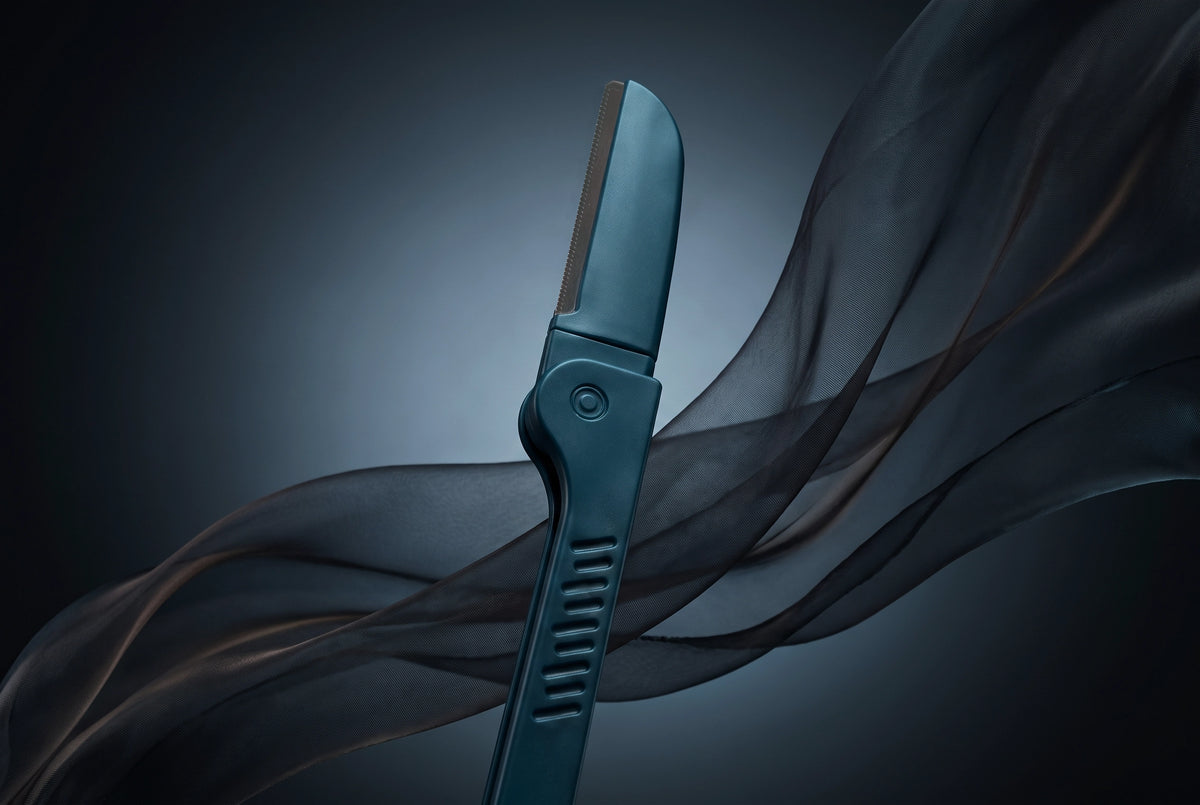
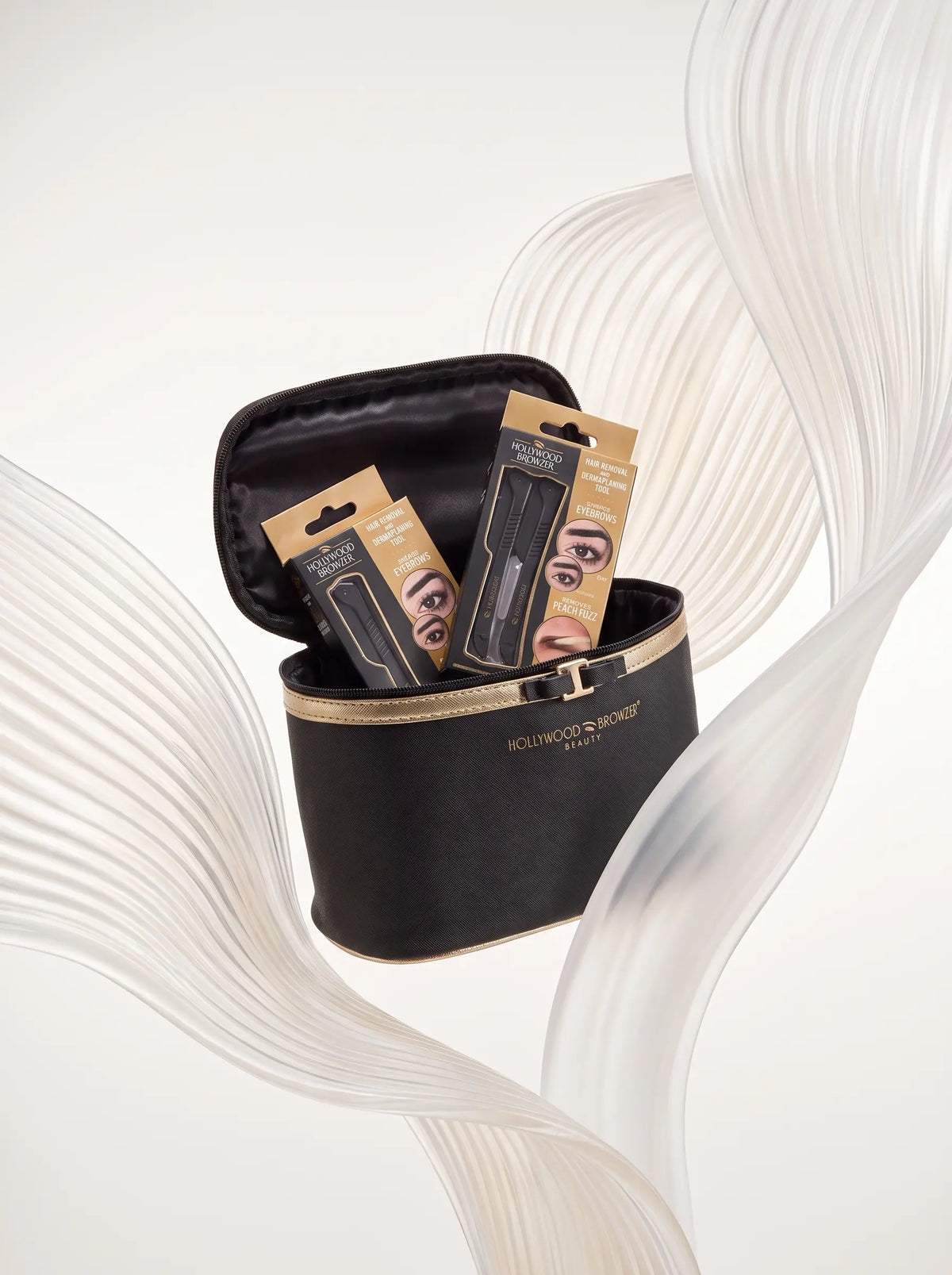
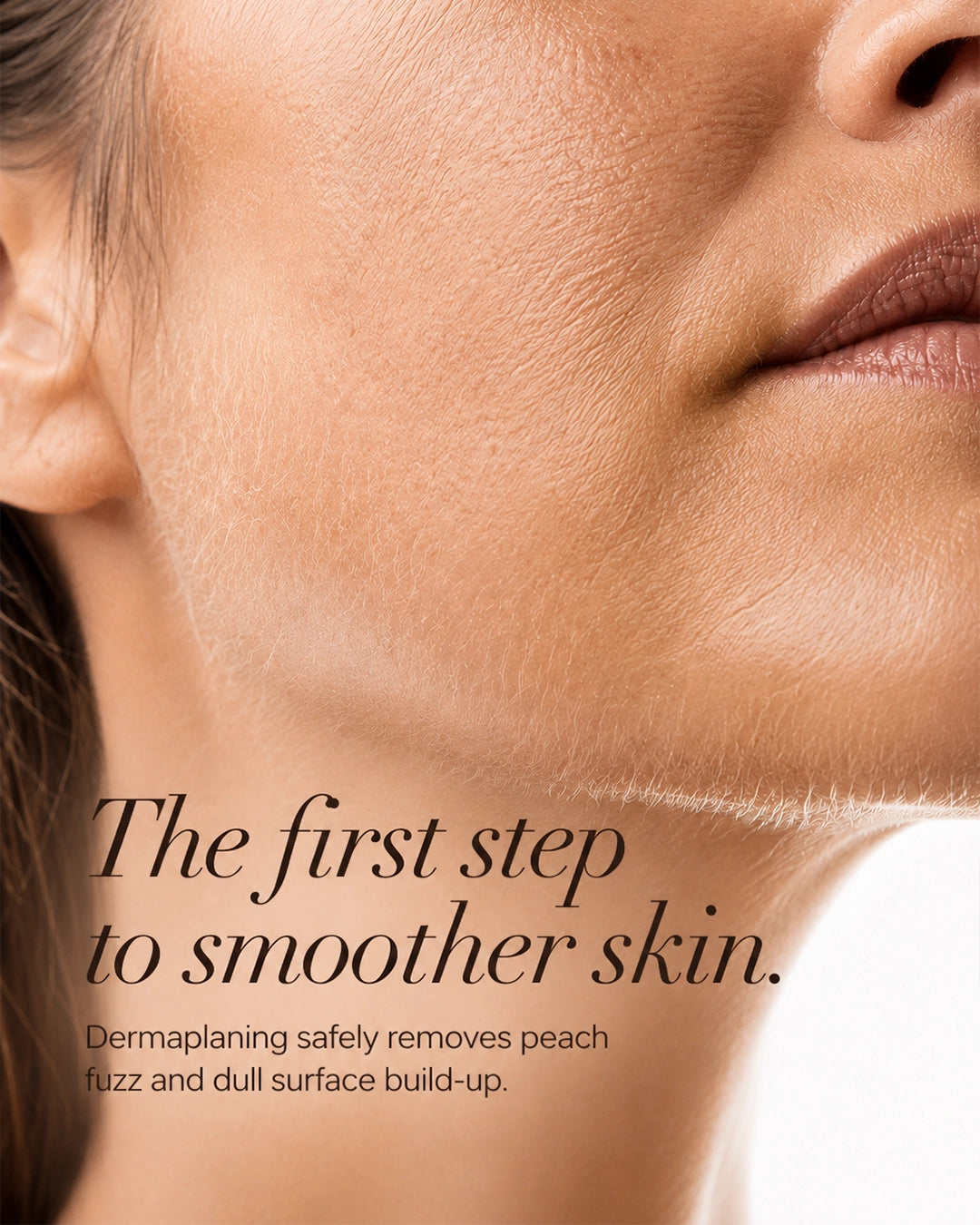

No. Dermaplaning can't make your hair grow back darker, thicker or faster. The blade only skims the surface of your skin, while colour and thickness are set by the follicle underneath, which it never touches. Regrowth can look a shade darker for a few days because the tip is cut bluntly and the new hair hasn't been lightened by the sun yet.
It's the number one worry before a first dermaplane, and honestly? It's a fair one. Nobody wants to swap soft, barely-there fuzz for a five o'clock shadow. So here's what really happens to your hair, why the myth won't die, and how to get the smoothest result.
The facts in 20 seconds
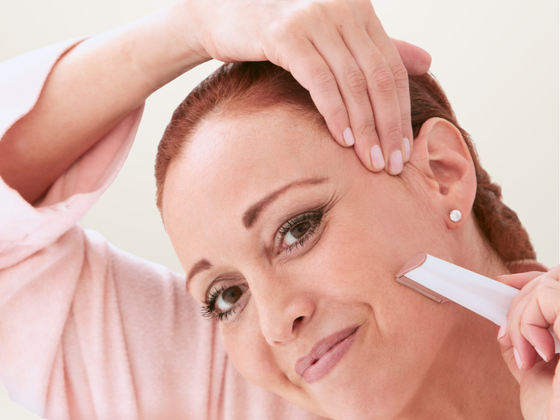
- Dermaplaning removes peach fuzz (vellus hair) and dead skin cells from the surface of the skin using a fine blade held at about a 45° angle.
- Hair colour comes from pigment made inside the follicle, below the skin. A dermaplaning blade can't reach it.
- After dermaplaning, the same hairs grow back, in the same number, at the same speed.
- Regrowth can feel slightly bristly and look a little darker for a few days because the tip is cut straight across instead of tapering to a soft point.
- Peach fuzz usually grows back within a few weeks, just as it was before.
- Thick, dark hair that suddenly appears on the chin, upper lip or jawline is linked to hormones, not hair removal, and is worth checking with a GP.
Shop the Hollywood Browzer Range→ Explore which tool is right for you with a 30-day money-back guarantee.
Why does my hair look darker after dermaplaning?
Because you're looking at the cut end of the hair, not new or different hair. Three things are going on:
- The blunt tip. Uncut peach fuzz tapers to a fine, almost see-through point. A blade cuts it straight across, so the end you see is wider and catches the light more. Wider reads as darker.
- It hasn't seen the sun. The hair just under your skin hasn't been lightened by daylight yet, so it can look a touch deeper in colour at first. Mayo Clinic gives the same explanation for shaved hair.
- You're looking closer than ever. After a dermaplane your skin is smooth and bright, and most of us inspect the regrowth in a magnifying mirror. Hair you never noticed before suddenly gets all the attention.
None of these change the hair itself. As it grows, the difference fades.
Does hair grow back thicker after dermaplaning?
No. Thickness is decided by the size of the follicle, and a blade working on the surface can't change it. What changes is the feel: a blunt-cut tip can feel a little coarse as it comes through, the same way shaved hair does.
This has been studied for nearly a century. A 2007 review of medical myths in the BMJ pointed to controlled research going back to 1928 showing that shaving doesn't affect hair's thickness, colour or rate of growth. Cleveland Clinic says the same about peach fuzz specifically: it doesn't grow back thicker or darker after you remove it.
What actually happens when hair grows back after dermaplaning?
Your peach fuzz grows back on its usual schedule, and it may feel a little different for a short while before it settles.
| When | What you'll notice |
|---|---|
| Straight after | Smooth, bright skin. Make-up glides on and skincare sinks in. |
| First few days | Short regrowth may feel faintly bristly to the touch and look a shade darker up close. That's the blunt tip. |
| 1–2 weeks | Fuzz is visible again but soft. Most people stop noticing any difference. |
| Around 2–4 weeks | Back to how it was before. Time for your next session if you'd like one. |
Everyone's hair grows at its own pace, so treat these timings as a guide.
Will my face get hairier if I dermaplane?
No. Dermaplaning doesn't create new hairs or wake up dormant follicles. You'll have exactly the same number of hairs as before, growing at the same rate. The only thing that's increased is the glow.
What if my peach fuzz is naturally dark?
Then you're not imagining it. Peach fuzz is usually fine and light, but how dark and noticeable it is varies from person to person, mostly down to genetics and the contrast with your skin tone. Dermaplaning won't make dark fuzz darker. It takes it away, which is why so many people with more visible fuzz make it part of their routine.
One distinction worth knowing: a few coarse, dark hairs on the chin or jawline are a different type of hair (terminal hair), not peach fuzz. A Browzer will cut them too, but because they're thicker they'll feel like stubble as they grow back. For the odd stubborn chin hair, plucking or threading can last longer.
Does any hair removal method make hair grow back darker or thicker?
No. None of the common at-home methods change the colour or thickness of your hair. What differs is how they remove it, and so how regrowth feels.
| Method | How it removes hair | How regrowth feels | Changes colour or thickness? |
|---|---|---|---|
| Dermaplaning | Cuts peach fuzz at the surface and lifts dead skin cells | Blunt tip; can feel slightly bristly for a few days | No |
| Shaving with a razor | Cuts hair at the surface | Blunt tip; stubbly | No |
| Waxing | Pulls hair from the root | Takes longer to return; grows back with a natural tapered tip | No |
| Threading or plucking | Pulls hair from the root | Takes longer to return; tapered tip | No |
| Epilating | Pulls several hairs from the root at once | Takes longer to return; tapered tip | No |
| Laser or electrolysis | Targets the follicle itself (done by a professional) | Designed to reduce regrowth over time | Aims to reduce growth |
Dermaplaning is the only one on the list that also exfoliates, which is why your skin looks brighter afterwards and not just less fuzzy.
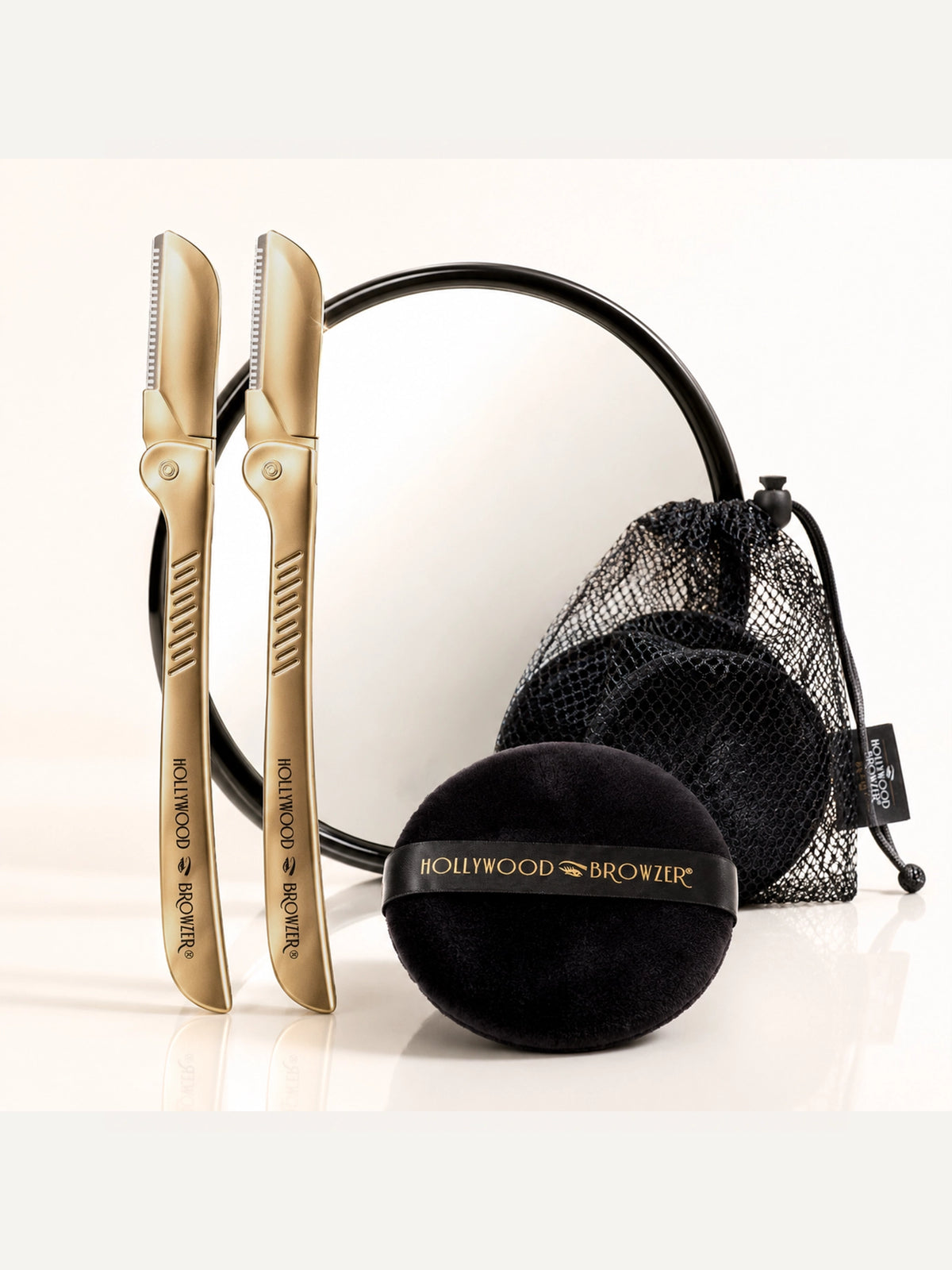
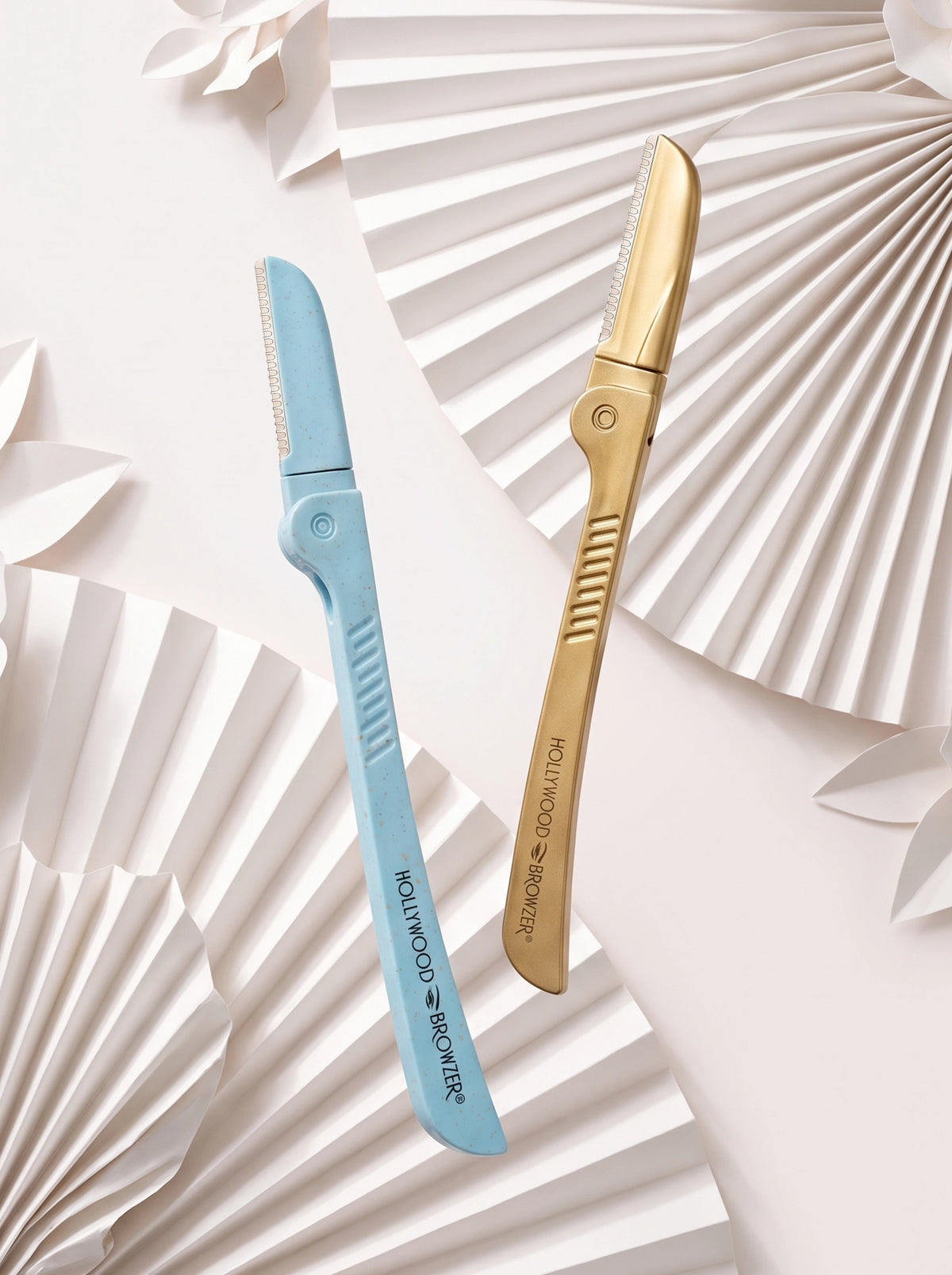
Meet the Duo Hollywood Browzer → Two dermaplaners, so there's always a fresh one ready.
Can you stop dermaplaning once you start?
Yes, whenever you like. If you stop, your peach fuzz simply grows back the way it was, usually within a few weeks. There's no rebound and nothing you're locked into.
Are there any downsides to dermaplaning?
When people regret dermaplaning, it's almost always down to technique, not their hair growing back differently. The usual culprits:
- A dull or dirty blade, which drags instead of glides and can irritate the skin.
- Too much pressure, or going over the same patch again and again.
- Dermaplaning over spots or broken skin, which can inflame them.
- Strong actives straight after, such as retinol or acids on freshly exfoliated skin. Here's how long to wait before using retinol.
If your skin is sensitive, try a small area first and see how it feels the next day.
How to dermaplane for the smoothest result
- Cleanse and pat your skin completely dry. Most people dermaplane on dry skin; a thin layer of facial oil can add slip if your skin is on the dry side.
- Hold your skin taut with your free hand.
- Angle the blade at about 45° and use short, light, downward strokes. One pass per area is enough.
- Skip your eyelids, lips, any spots or broken skin, and your eyebrows unless you're shaping them.
- Hydrate with a gentle serum or moisturiser, and wear SPF the next morning.
- Clean your Browzer after every use, and swap to a fresh one when it stops gliding easily.
Every two to four weeks suits most people. Start at the longer end if your skin is sensitive. Our full step-by-step guide to dermaplaning at home covers each step in more detail.
When is new facial hair worth a chat with your GP?
Peach fuzz is completely normal. Thick, dark hair that appears in a typically male pattern, such as on the chin, upper lip, jawline or chest, is different: it's called hirsutism and is linked to hormones, not to hair removal. The NHS advises seeing a GP if excess hair is worrying you, and getting checked promptly if it appears suddenly or alongside other changes. Dermaplaning can still be part of how you manage hair you'd rather not see, but it won't change the cause. Our honest guide to dermaplaning with PCOS is a good next read.
The bottom line
Same hair. Same follicles. Smoother skin. Dermaplaning won't make your hair grow back darker, thicker, faster or in greater numbers. If regrowth looks a shade deeper for a few days, that's the blunt tip and new, unbleached hair, and it passes.
New to dermaplaning? Start with The Hollywood Smooth Skin Kit. Already know you love it? The Duo Hollywood Browzer keeps a fresh blade on standby. Prefer powered? Meet our Sonic Smoothers.
FAQs
Does dermaplaning make hair grow back darker?
No. Hair colour is made in the follicle, which a dermaplaning blade never reaches. Regrowth can look a little darker for a few days because the tip is cut bluntly and the new hair hasn't been lightened by the sun yet.
Does peach fuzz grow back thicker after dermaplaning?
No. Thickness is set by the follicle, not the blade. Regrowth may feel slightly bristly for a few days because of the blunt tip, then it softens as it grows.
Does dermaplaning cause more hair to grow?
No. It doesn't create new hairs or stimulate follicles. The same number of hairs grow back at the same rate.
Can you stop dermaplaning once you start?
Yes. If you stop, your peach fuzz grows back as it was, usually within a few weeks.
Is dermaplaning the same as shaving your face?
Not quite. Both cut hair at the surface, but dermaplaning uses a fine blade at about 45° to remove peach fuzz and dead skin cells together, so it exfoliates as well. Neither changes how your hair grows back.
How often should you dermaplane?
Every two to four weeks suits most people. That gives your skin time to recover between sessions and roughly matches how quickly peach fuzz grows back.
Sources
- Mayo Clinic: Does shaving make hair grow back thicker and darker?
- Cleveland Clinic: Vellus hair (peach fuzz)
- Vreeman & Carroll, "Medical myths", BMJ 2007
- NHS: Hirsutism