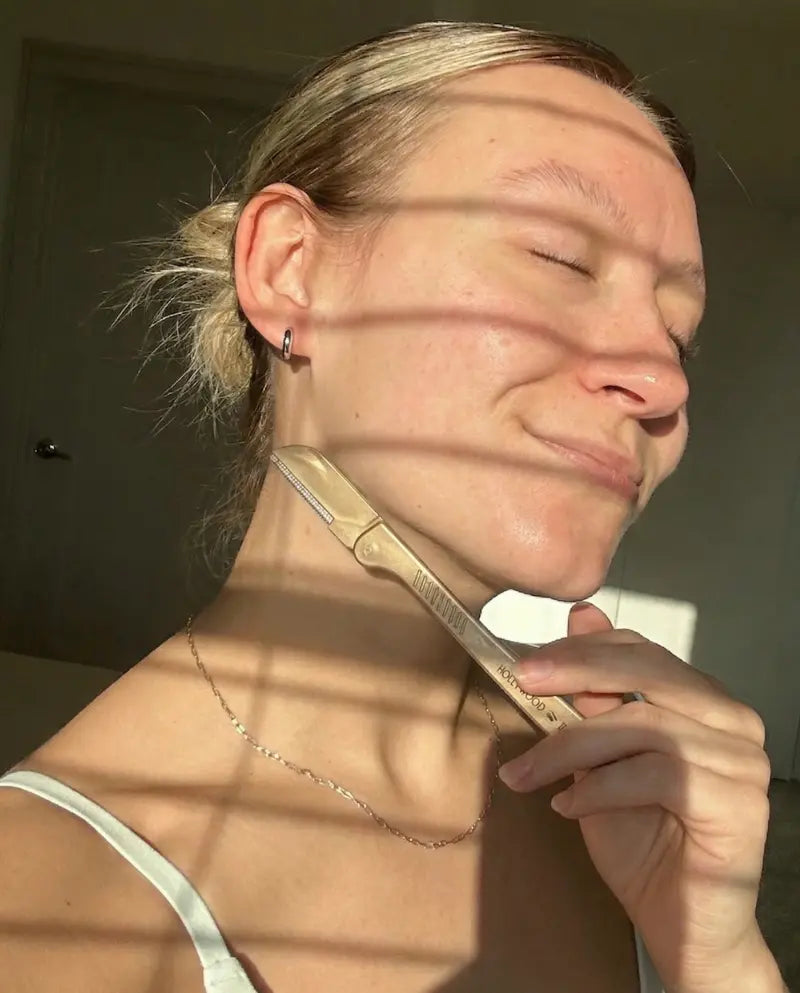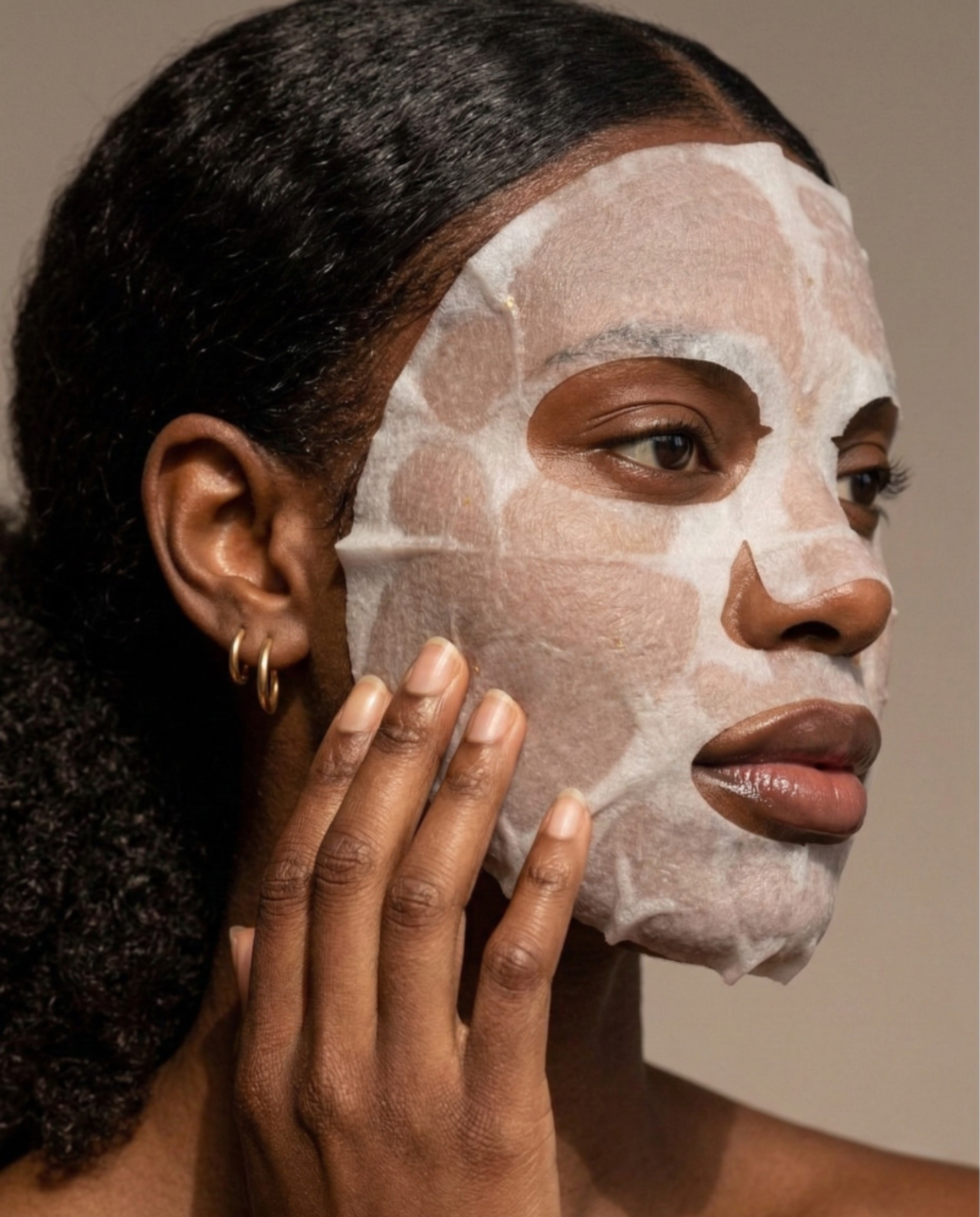
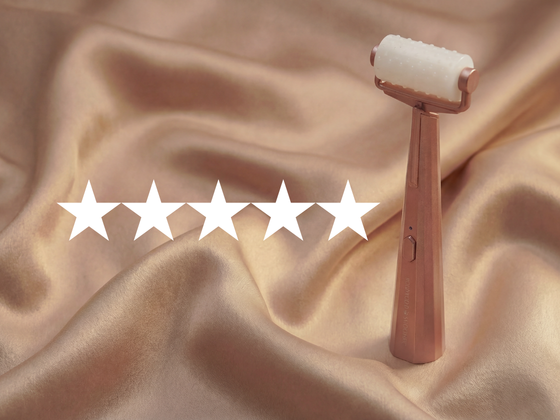

Dermaplaning and retinol are two of the most powerful tools in a modern skincare routine. One sweeps away dead skin cells and peach fuzz for an instantly smoother finish. The other works beneath the surface, encouraging cell turnover and a brighter, firmer complexion over time. Used together, they're a brilliant pairing, but only if the timing is right.
So, can you use retinol after dermaplaning? The short answer is yes, but not straight away. Here's what you need to know to layer the two safely and get the most from both.
What dermaplaning actually does for your skin
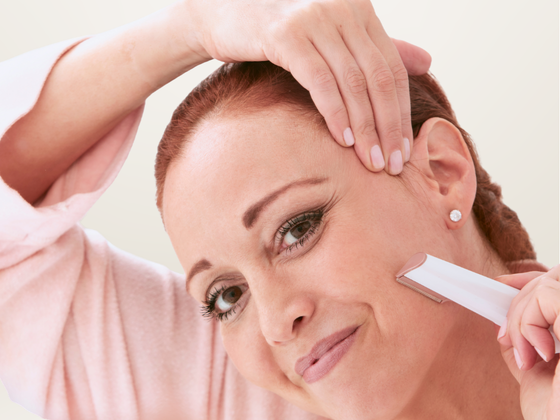
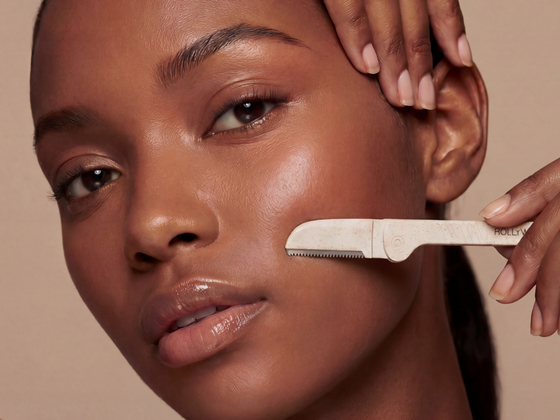
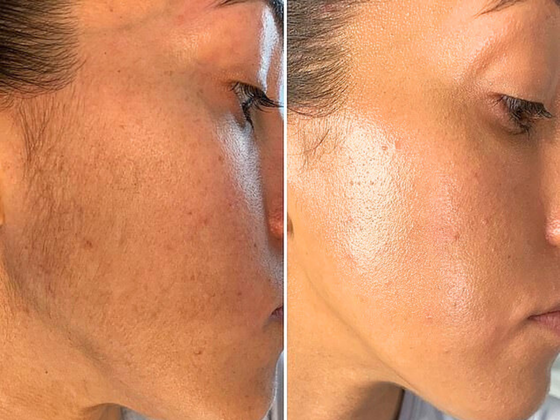
Dermaplaning is a gentle exfoliation method that uses a precision blade to remove dead skin cells and fine vellus hair (peach fuzz) from the surface of your face. The result is skin that feels noticeably softer, looks more luminous, and allows your serums and moisturisers to absorb more effectively.
Because it removes the outermost layer of dead cells, your skin is temporarily more sensitive after dermaplaning. The protective barrier hasn't been compromised — but it has been freshly buffed, and that means anything you apply afterwards will penetrate deeper and act more potently than usual.
→ New to the technique? Read How to Dermaplane at Home: A Step-by-Step Guide for the full method.
Why retinol and freshly dermaplaned skin don't mix immediately
Retinol is a vitamin A derivative that speeds up cell turnover, smooths fine lines, and helps fade pigmentation. It's also known for being potent and, occasionally, irritating, especially when first introduced to a routine.
Applying retinol immediately after dermaplaning amplifies that potency. With the surface layer of dead cells removed, retinol absorbs faster and more deeply, which can lead to:
- Redness and stinging
- Dryness and flaking
- A compromised skin barrier
- Increased sun sensitivity
In short, you risk irritation that could undo the smooth, radiant finish dermaplaning is meant to deliver.
How long to wait before using retinol after dermaplaning
The general rule: wait at least 24 to 48 hours before reintroducing retinol into your routine. For sensitive skin, or if you're new to retinol, three to five days is a safer window.
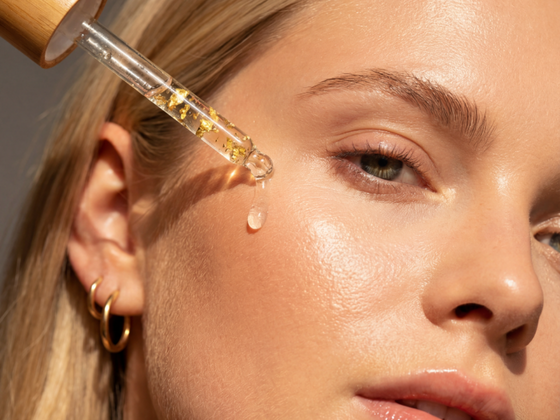
Use this time to focus on hydration and barrier repair. Think hyaluronic acid, ceramides, peptides, and a rich moisturiser; products that nourish rather than challenge your skin.
The ideal post-dermaplaning routine (before you reintroduce retinol)
For the first 24–48 hours, keep your routine simple, soothing, and barrier-friendly:
Morning
- Gentle, non-foaming cleanser
- Hydrating serum (hyaluronic acid or niacinamide)
- Moisturiser with ceramides
- Broad-spectrum SPF 30 or higher
Evening
- Gentle cleanser
- Hydrating or peptide serum
- Rich moisturiser
Skip exfoliating acids (AHAs, BHAs), vitamin C in high concentrations, and any active ingredients that tingle on application. Your skin is in recovery mode, let it rest.
When and how to reintroduce retinol
Once 24–48 hours have passed and your skin feels calm, you can bring retinol back in gradually.
Tips for reintroducing retinol after dermaplaning:
- Apply at night only
- Start with a pea-sized amount on dry skin
- Buffer with moisturiser if your skin feels reactive (apply moisturiser first, then retinol on top)
- Always follow with SPF the next morning.
- Avoid combining retinol with other actives (like AHAs or vitamin C) in the same routine while skin is still settling
If you dermaplane regularly, try to schedule your retinol-free recovery window around it. Many of our customers find a Sunday evening dermaplane fits naturally into a "skin reset" weekend, with retinol resuming midweek.
How often should you dermaplane if you use retinol?
Dermaplaning every two to three weeks is ideal for most skin types. Doing it more frequently can over-exfoliate, particularly if retinol is already encouraging cell turnover from beneath.
Listen to your skin. If it feels tight, looks red, or starts flaking, space your sessions further apart and prioritise hydration.
→ Not sure which tool is right for you? Compare our dermaplaning tools to find your match.
The benefits of using retinol and dermaplaning together (when timed right)
When you space them correctly, the two methods complement each other beautifully:
- Smoother makeup application. Dermaplaning removes the texture retinol can occasionally leave behind during the adjustment phase
- Better product absorption. Retinol penetrates more effectively into freshly resurfaced skin (once the initial sensitivity has passed)
- Brighter, more even tone. Combined cell turnover from below and exfoliation from above accelerates radiance
- Softer fine lines. Retinol's long-term collagen-boosting benefits are enhanced by regular surface renewal
Mistakes to avoid
A few common missteps can turn a good routine into an irritated one:
- Using retinol the same evening as dermaplaning
- Skipping SPF the next morning
- Layering retinol with AHAs, BHAs, or strong vitamin C immediately after dermaplaning
- Dermaplaning too frequently while on a retinol routine
- Ignoring early signs of irritation (redness, stinging, flaking)
If irritation does occur, pause both retinol and dermaplaning for a week. Focus on hydration and barrier repair until your skin feels balanced again.
→ For a deeper dive into post-treatment care, read The Complete At-Home Guide.
The bottom line
Yes, you can use retinol after dermaplaning, just not immediately. Give your skin 24 to 48 hours to recover, focus on hydration in the meantime, and reintroduce retinol gradually. Done right, it's one of the most effective combinations for smoother, brighter, more youthful-looking skin.
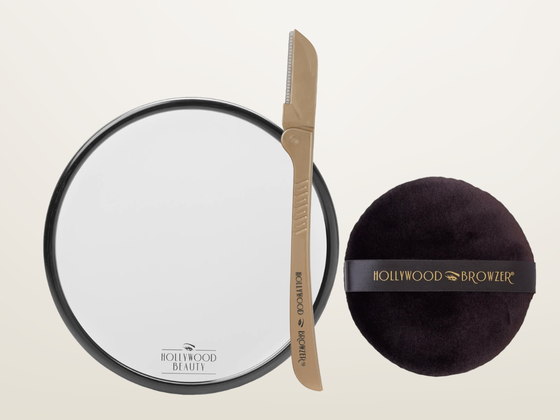
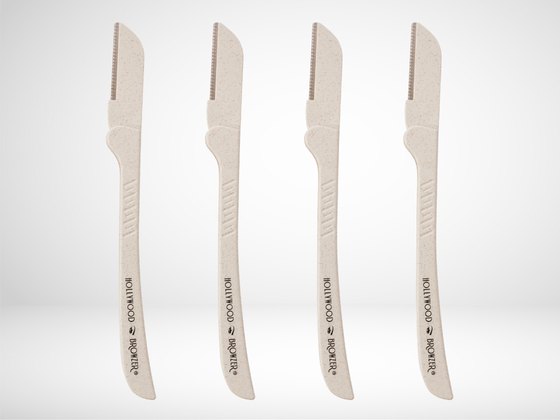
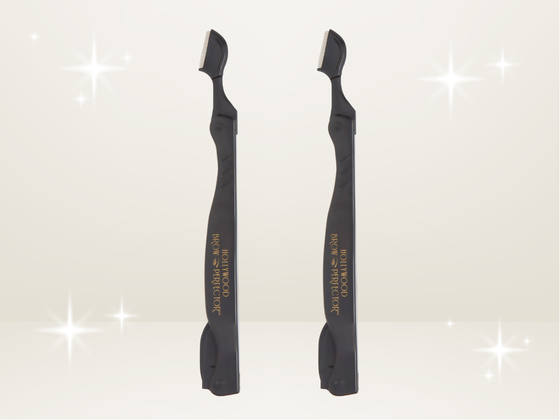
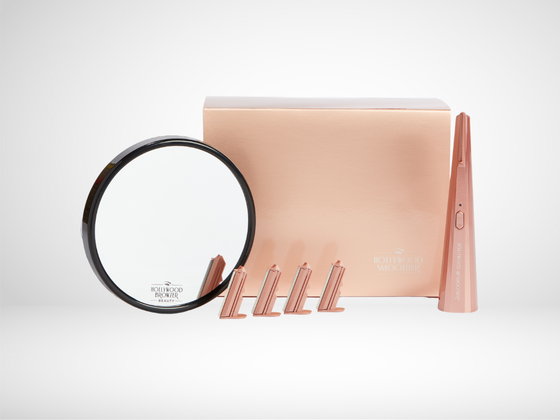
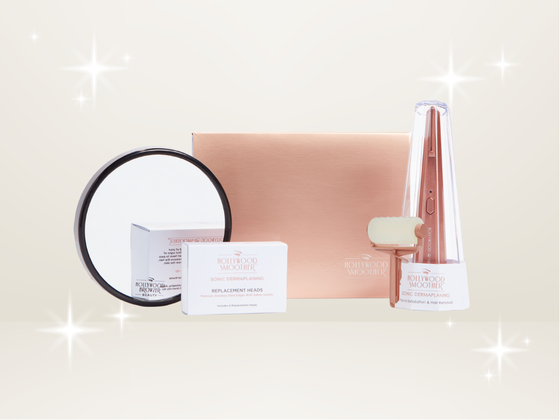
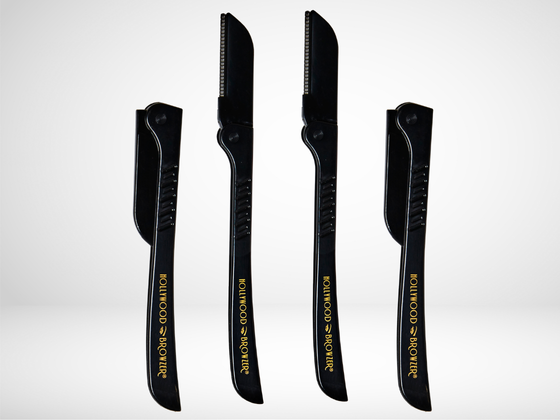
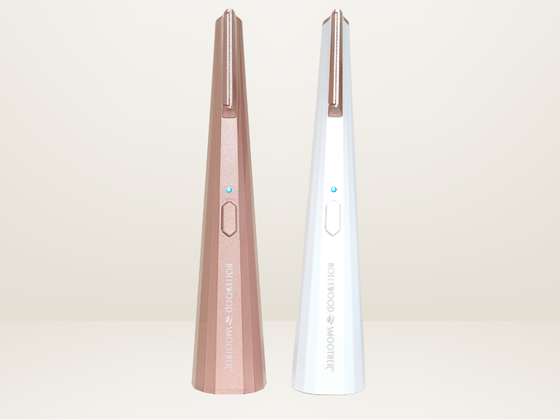
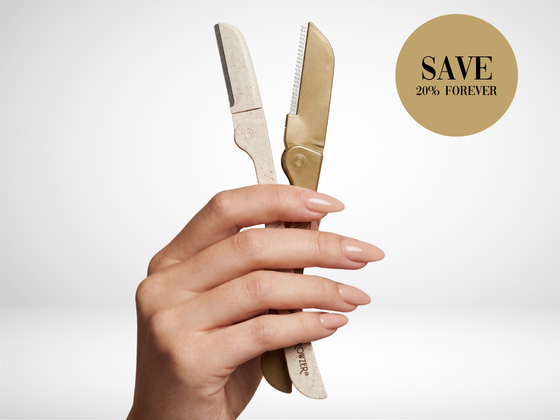
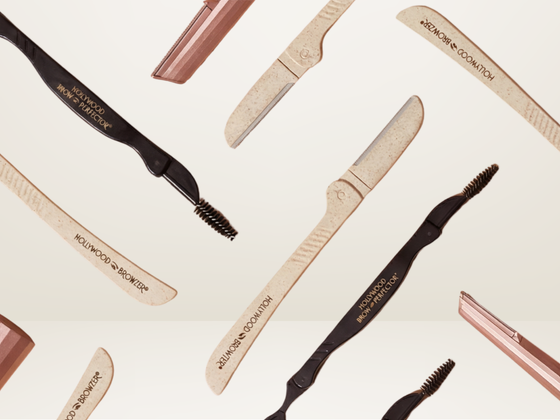
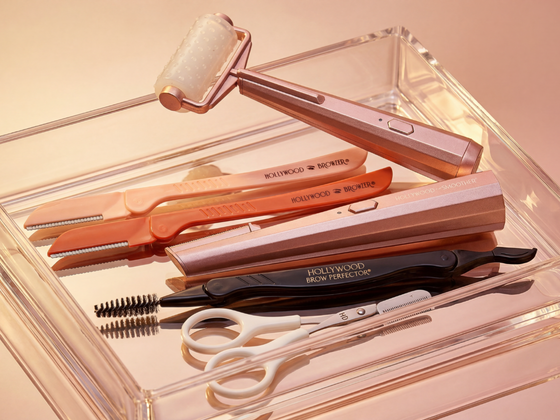
Hollywood Browzer's precision dermaplaning tools are designed for safe, gentle exfoliation at home so you can build a routine that works around your favourite actives, not against them.
→ Ready to refine your routine? Shop the Hollywood Browzer collection.